Creuto is now an OpenAI Select Partner Read More

Healthcare · Specialisation

Wearable Health App Development Services

Turn Wearable Data Into Meaningful Health Insight.

We build apps and platforms for smartwatches, fitness bands, and health sensors, collecting vitals and activity data reliably, presenting it clearly to users, and sharing it securely with care teams.

  • HIPAA and GDPR-ready health data pipelines
  • HealthKit, Health Connect, Garmin and Dexcom integration
  • Senior-only engineering team

Plan your wearable health apps project

Tell us what you want to build. A senior engineer, not a sales script, replies within one business day.

What's your budget range?

Your idea is protected. NDA available on request.

Trusted by teams building what's next

  • Creuto client 1
  • Creuto client 2
  • Creuto client 3
  • Creuto client 4
  • Creuto client 5
  • Creuto client 6
  • Creuto client 7
  • Creuto client 8
  • Creuto client 9
  • Creuto client 10
  • Creuto client 11
  • Creuto client 12
  • Creuto client 13
  • Creuto client 14
OVERVIEW

Software shaped around how wearable health apps really works.

Wearables generate continuous health data, but turning that data into useful insight takes careful engineering. Heart rate, sleep, activity, SpO2 and glucose readings arrive at different rates, in different formats and with gaps whenever a band is charging or a phone is out of range. Users want to understand what the numbers mean, and clinicians want trends and alerts they can act on, not a flood of raw samples.

As a wearable health app development company, we build watchOS and Wear OS apps, phone companion apps and the cloud platforms behind them. Our apps sync with Apple HealthKit and Health Connect, and with vendor APIs from Garmin, Fitbit, Withings, Omron and Dexcom, normalising every source into one consistent data model so features work regardless of which device a user wears.

Reliability and battery life are designed together. We tune sensor sampling, background delivery and sync windows, use Bluetooth LE health profiles where devices support them, and stream data through AWS IoT or Azure IoT Hub into pipelines that handle late, duplicate and missing readings. For care providers, we build remote monitoring dashboards with thresholds, alerts and FHIR R4 integration into the EHR.

Health data from wearables is personal and often regulated. We design consent, encryption and data minimisation to support HIPAA where providers are involved, the FTC Health Breach Notification Rule for consumer apps, GDPR, UAE PDPL and India's DPDP Act. Where features move from general wellness into diagnosis or monitoring claims, we work with your regulatory team on the FDA SaMD or EU MDR route.

Why wearable health apps teams build with Creuto

Native smartwatch apps

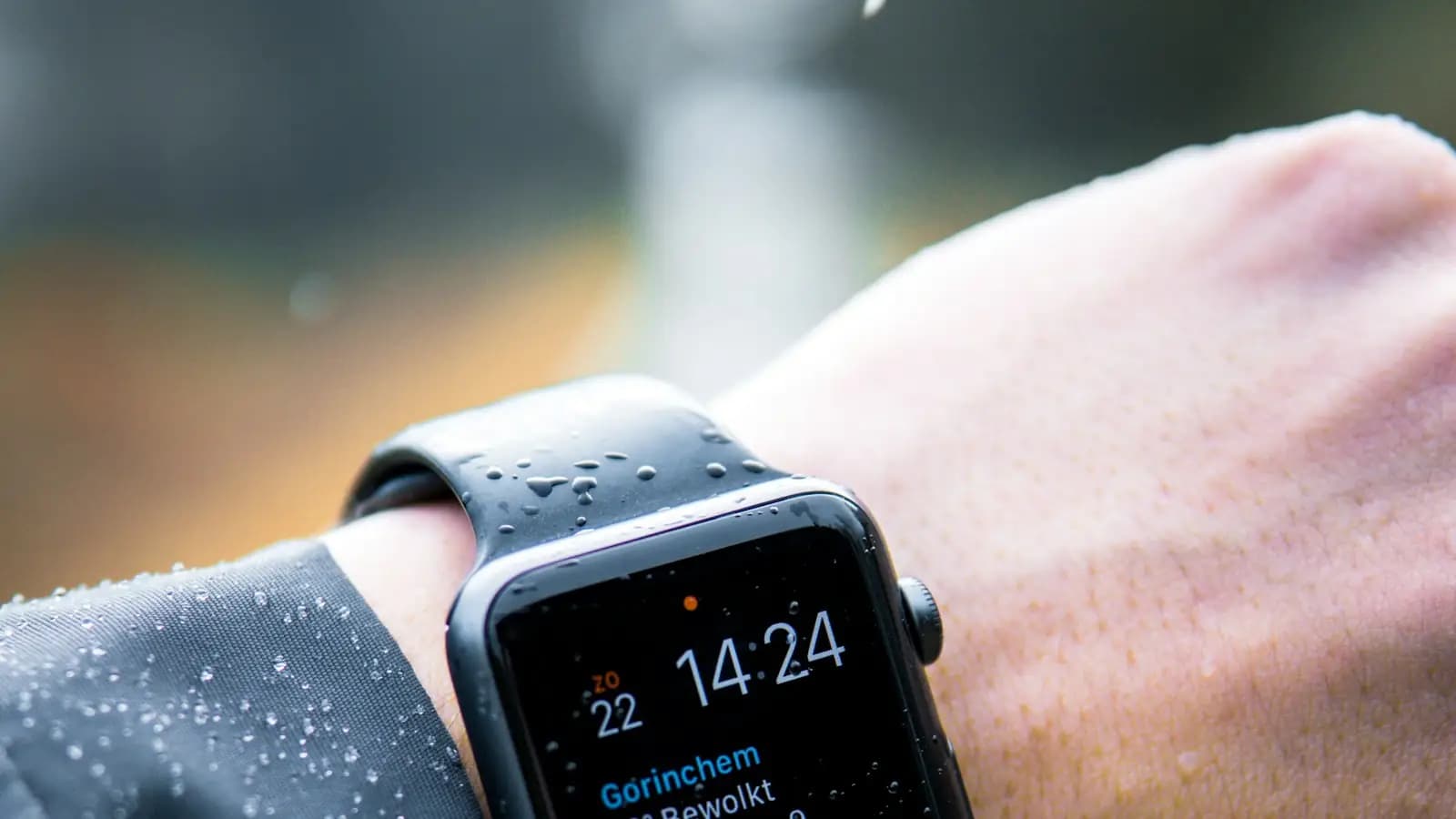
watchOS and Wear OS apps with complications, tiles, workout sessions and on-wrist alerts, standalone or paired with a phone app, designed for glanceable use.

Multi-source health data sync

HealthKit, Health Connect and vendor cloud APIs from Garmin, Fitbit, Withings, Omron and Dexcom normalised into one data model with de-duplication and provenance.

Battery-aware engineering

Sensor sampling, background delivery and sync schedules tuned per platform, so continuous tracking does not drain the watch or phone before the end of the day.

Signal to insight

Filtering, aggregation, baselines and trend detection that turn raw samples into readable summaries for users and actionable signals for clinicians.

Remote monitoring and alerts

Clinician dashboards with patient-specific thresholds, alert routing and escalation, integrated with the EHR through FHIR R4 so readings become part of the record.

Consent and privacy controls

Granular permissions per data type, revocable sharing with clinicians or programmes, and encryption from device to cloud, built for HIPAA and GDPR requirements.

0+

Products delivered

0+

Years of engineering

0%

Client satisfaction

0+

Industries served

0+

Countries with live products

WHAT WE BUILD

Wearable Health Apps software solutions we build.

Each one designed with your teams, integrated with the systems you already run, and engineered to scale.

RELATED AREAS

More Healthcare software we build

Other healthcare areas with a dedicated page.

TYPES OF SOLUTIONS

Types of wearable health apps apps and software we develop.

The product categories wearable health apps organisations most often ask us to build, from focused mobile apps to multi-tenant platforms.

  1. 01

    Smartwatch health apps

    watchOS and Wear OS apps for tracking, workouts, medication reminders and on-wrist alerts.

  2. 02

    Fitness and activity tracking apps

    Steps, workouts, heart rate zones and recovery insights synced from HealthKit, Health Connect and vendor APIs.

  3. 03

    Sleep tracking apps

    Sleep stages, routines and coaching built on wearable and phone sensor data.

  4. 04

    Remote patient monitoring platforms

    Device and wearable data with thresholds, alerts and clinician dashboards for chronic and post-discharge care.

  5. 05

    Continuous glucose monitoring companion apps

    CGM data from Dexcom and similar sensors with trends, alerts and sharing with carers and clinicians.

  6. 06

    Cardiac and blood pressure monitoring apps

    Heart rate, rhythm notifications and Omron or Withings blood pressure readings for cardiovascular programmes.

  7. 07

    Corporate wellness and insurer programmes

    Activity challenges, rewards and aggregate reporting for employers and health insurers.

  8. 08

    Elderly care and fall detection apps

    Fall alerts, location sharing and inactivity monitoring for older people and their carers.

  9. 09

    Clinical research data platforms

    Wearable data collection for decentralised studies with consent tracking and research-grade exports.

KEY FEATURES

Must-have features of a wearable health apps platform we build in.

Grouped by who uses them. Every feature below is one we have shipped to production, not a wishlist.

/01

User app and watch app

Glanceable on the wrist, detailed on the phone.

  • Device pairing and data source selection
  • Automatic background sync
  • Vitals dashboards and trends
  • Watch complications and tiles
  • Goals, streaks and progress summaries
  • Medication and activity reminders
  • Abnormal reading notifications
  • Consent controls per data type
/02

Clinician and coach dashboard

Signals, not samples.

  • Patient roster with data freshness status
  • Patient-specific thresholds
  • Alert queue with triage workflow
  • Trend charts and period comparisons
  • Notes and care plan updates
  • Secure messaging with patients
  • EHR write-back via FHIR R4
  • Monitoring time logs for programme reporting
/03

Platform and admin console

Keeping data flowing across devices and vendors.

  • Integration health per data source
  • Device and vendor API management
  • Data normalisation and unit mapping
  • Programme and cohort configuration
  • Role and organisation administration
  • Audit logs and access reports
  • Consent and retention policies
  • Aggregate analytics and exports
CHALLENGES WE SOLVE

What holds wearable health apps teams back.

The problems we most often help wearable health apps organisations solve, and design every engagement around.

  1. 01

    Battery and sync constraints

    Data must sync reliably without draining batteries, while platforms restrict background work differently on watchOS, Wear OS, iOS and Android.

  2. 02

    Data overload

    Raw sensor data needs filtering, aggregation and context before it is useful to users, and clinicians cannot review thousands of samples per patient.

  3. 03

    Device fragmentation

    Different devices and platforms report data in different units, intervals and formats, and vendor APIs change on their own schedules.

  4. 04

    Data quality and gaps

    Readings arrive late, duplicated or missing when devices charge or lose connection, which can trigger false alerts or hide real deterioration.

  5. 05

    Wellness versus medical claims

    Features that interpret readings clinically can turn a wellness app into regulated device software, so product decisions need regulatory awareness.

SELECTED WORK

Products we have shipped. Results we can point to.

Real products designed and engineered by Creuto end to end, with the operational depth healthcare and wearable health apps projects demand.

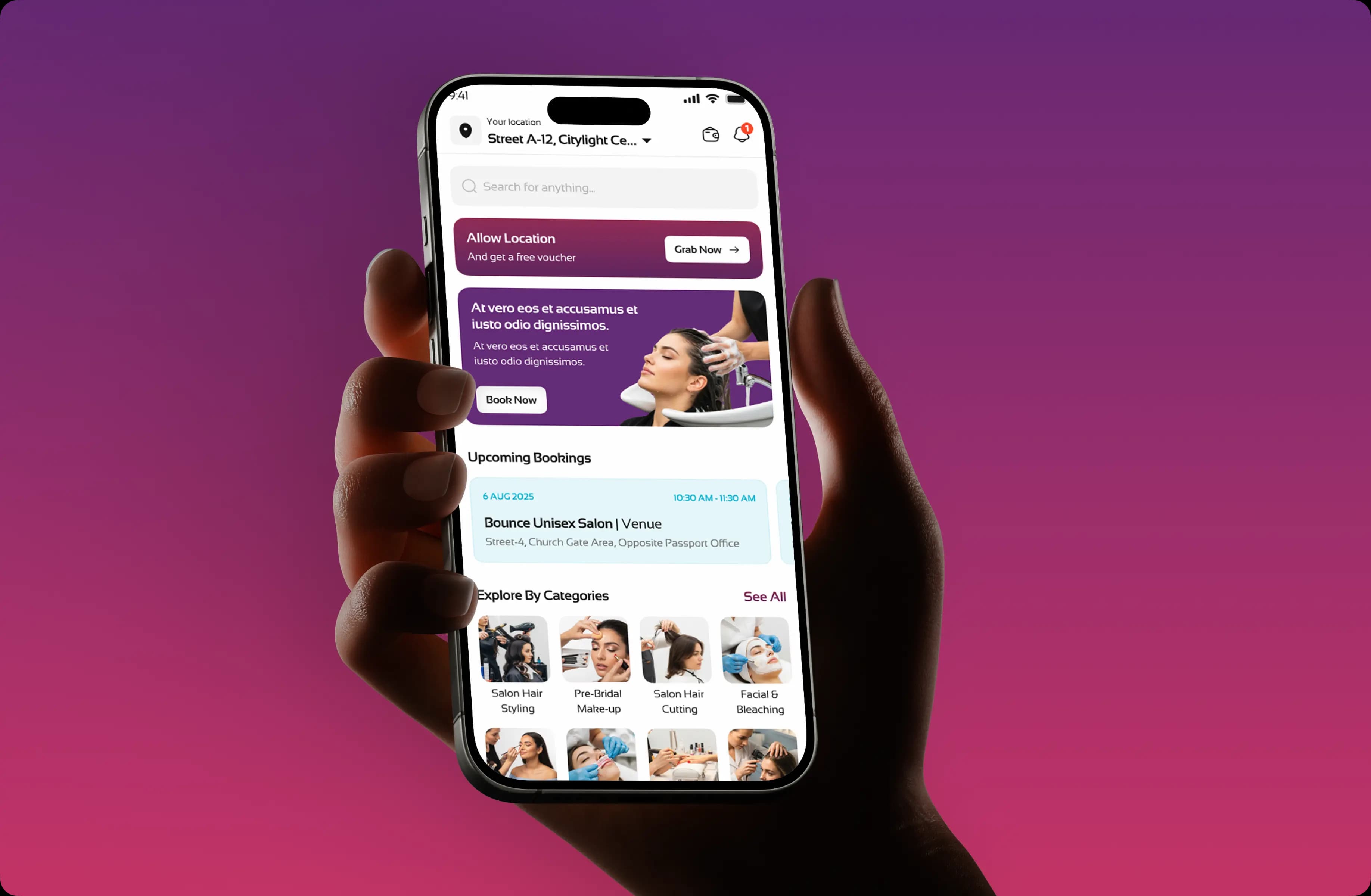
Smart Beauty & Wellness Appointment App – MakeMyLook
/01 · Finance / Analytics

Smart Beauty & Wellness Appointment App – MakeMyLook

A full-stack beauty marketplace consumer mobile app, vendor dashboard, and super admin panel designed and delivered by Creuto from scratch.

200+

Vendors Onboarded

40%

Drop-offs Reduced

16 wk

Time to Market

View Case Study
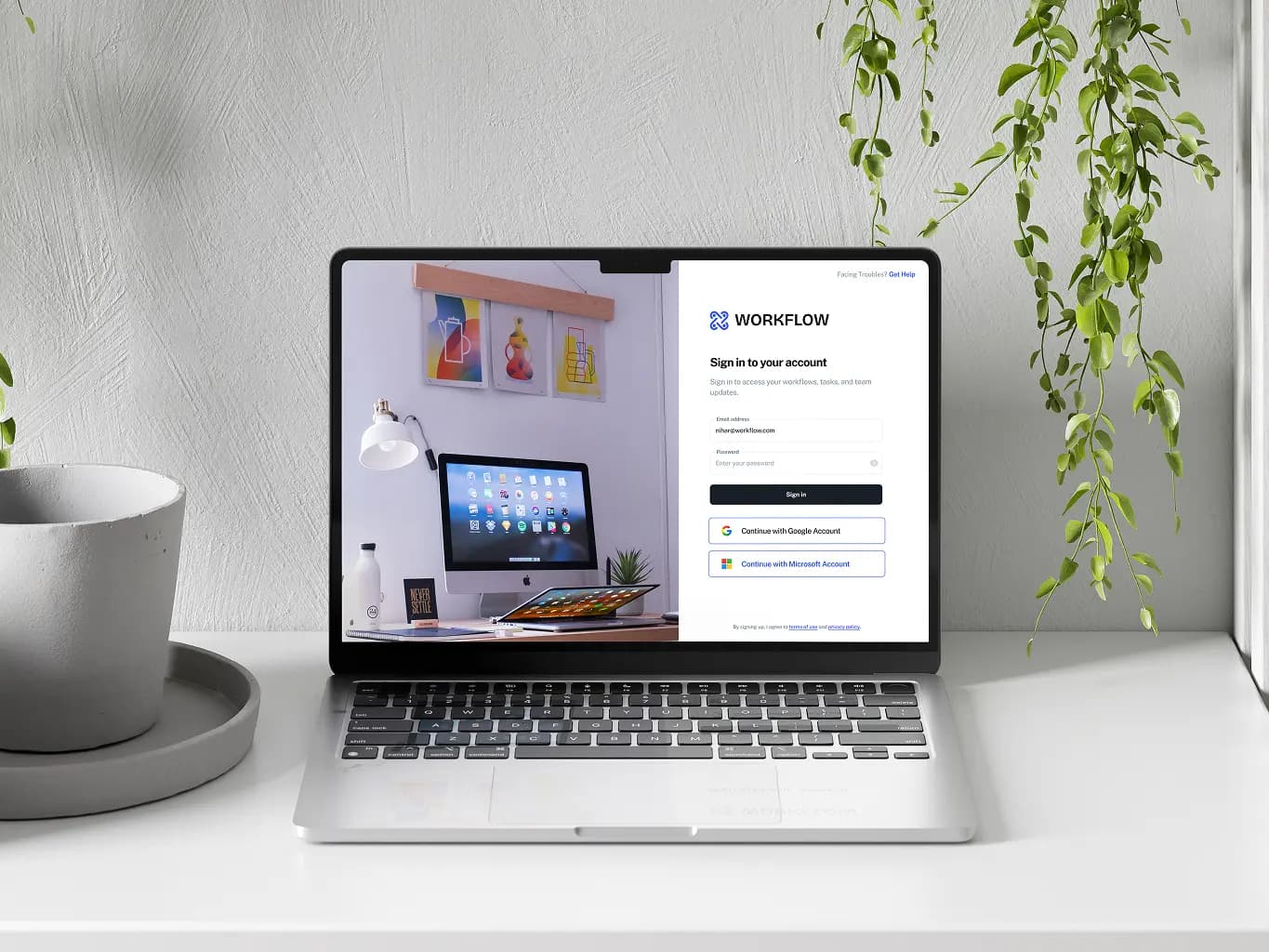
Enterprise Workflow Automation & Process Management Platform
/02 · Operations / Workflow

Enterprise Workflow Automation & Process Management Platform

A full-stack workflow management platform — admin panel, task boards, collaboration engine, and reporting suite — designed and delivered by Creuto from the ground up.

1

Source of Truth for All Work

100%

Task Audit Trail

4

Task Lifecycle States

View Case Study
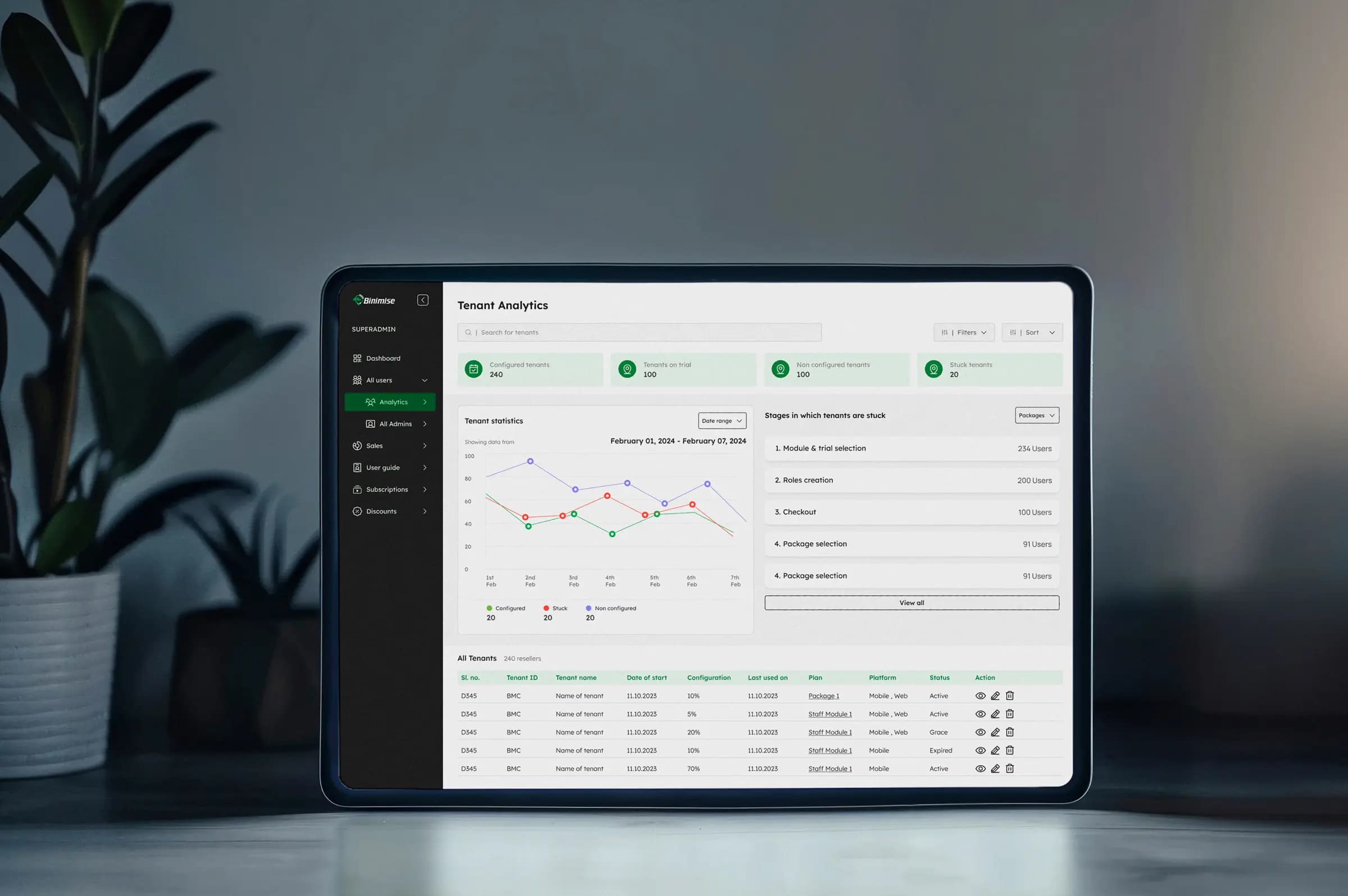
IoT Smart City Platform for Binimise
/03 · Smart City / IoT

IoT Smart City Platform for Binimise

A cloud-native, IoT-powered smart city platform — web command dashboard, citizen mobile app, field staff app, and full IoT integration designed and delivered by Creuto from the ground up.

10

Integrated Modules

25–30%

Reduction in Vehicle Trips

4

Platforms Delivered

View Case Study
COMPLIANCE AND SECURITY

Compliance and security, designed in.

The wearable health apps standards we build against and the controls behind them. Your compliance team keeps ownership; we make the software easy to certify.

Health data regulations we build for

  • HIPAA and HITECH where providers or payers are involved
  • FTC Health Breach Notification Rule for consumer apps
  • GDPR special-category health data (EU and UK)
  • UAE PDPL and DHA / DoH health data rules
  • India DPDP Act and ABDM standards
  • FDA general wellness and SaMD boundaries, EU MDR

Health data standards

  • HL7 FHIR R4 Observation resources
  • LOINC codes for vitals
  • Bluetooth LE health profiles
  • Apple HealthKit data types
  • Health Connect data types
  • Open mHealth schemas where useful

Security controls

  • Encryption on device, in transit and at rest
  • Granular, revocable data permissions
  • Token-secured vendor API access
  • Pseudonymised analytics
  • Immutable audit trails
  • Penetration testing before launch

Platform quality

  • Battery and performance profiling
  • Device and OS compatibility testing
  • Data completeness monitoring
  • Alert accuracy testing with sample data
  • Accessibility to WCAG 2.2 AA
  • 24/7 pipeline monitoring
INTEGRATIONS

Wearable Health Apps integrations we connect.

The platforms, standards and third-party services a product in this sector usually has to talk to. If yours is not listed, it is almost certainly something we have connected before.

/01Health platforms

  • Apple HealthKit
  • Google Health Connect
  • watchOS
  • Wear OS
  • Samsung Health

/02Wearable and device vendors

  • Garmin
  • Fitbit
  • Withings
  • Omron
  • Dexcom
  • Oura
  • Polar

/03Cloud and clinical

  • AWS IoT Core
  • Azure IoT Hub
  • Epic
  • Oracle Health (Cerner)
  • HAPI FHIR
  • Google Cloud Healthcare API

/04Engagement and payments

  • Twilio
  • Firebase Cloud Messaging
  • SendGrid
  • Stripe
  • Razorpay
  • Network International
WHY CREUTO

Why choose Creuto as your wearable health apps software development company

The reasons clients in this sector give when they recommend us, not the ones we would pick ourselves.

Either we build it exceptional, or we don't.

The standard every wearable health apps product leaves our studio with.

0+

Products delivered

0+

Years of engineering

0%

Client satisfaction

Start a conversation
  1. /01

    Device-agnostic by design

    One normalised data model across HealthKit, Health Connect and vendor APIs, so adding a device does not mean rebuilding features.

  2. /02

    We test on real hardware

    Watches, bands, CGMs and cuffs are tested in real conditions, including charging gaps, poor connectivity and long-running sync.

  3. /03

    Signals clinicians can use

    We design thresholds, alert routing and summaries with care teams, so monitoring adds insight rather than alarm fatigue.

  4. /04

    Privacy and regulation in view

    Consent, encryption and the wellness versus medical boundary are designed in from the first workshop.

  5. /05

    Long-term integration care

    Vendor APIs and OS versions change often. We monitor and maintain integrations so data keeps flowing after launch.

BENEFITS

Benefits of custom wearable health apps software over off-the-shelf tools.

What organisations in this sector gain when the software is built around their workflows rather than the other way around.

  1. 01

    Earlier intervention

    Continuous data and alerts help care teams notice deterioration between appointments.

  2. 02

    Higher user engagement

    Clear insights, goals and on-wrist reminders keep people using the product day after day.

  3. 03

    Works with the devices users own

    Support for HealthKit, Health Connect and major vendors removes the need to ship proprietary hardware.

  4. 04

    Less clinician noise

    Aggregation, baselines and smart thresholds reduce false alerts and review time per patient.

  5. 05

    New programme revenue

    Remote monitoring, coaching and insurer programmes become viable on top of reliable wearable data.

  6. 06

    Data for better decisions

    Longitudinal, normalised data supports outcome reporting, research and product improvement.

HOW WE WORK

Our wearable health apps software development process.

Transparent, sprint-based and built around decisions you can see. You know what ships, when, and why at every step.

Start Your Project
  1. 01

    Use case and data discovery

    We define the health outcomes, users, target devices and data types in scope, and check what each platform and vendor API actually provides.

  2. 02

    Architecture, privacy and regulatory plan

    Data model, sync strategy, consent model, hosting region and the wellness versus medical boundary are agreed before design begins.

  3. 03

    Experience design and validation

    Watch and phone experiences are prototyped and tested with target users, including older people, low vision needs and clinicians reviewing data.

  4. 04

    Agile engineering

    Two-week sprints building device integrations, pipelines and apps together, tested on real watches, bands and sensors rather than simulators alone.

  5. 05

    Battery, data quality and security testing

    Battery profiling, long-running sync tests, alert accuracy checks with recorded data, device matrix testing and a penetration test before launch.

  6. 06

    Launch and continuous improvement

    Staged rollout with pipeline monitoring, vendor API change tracking and a roadmap driven by engagement and outcome data.

TECHNOLOGY STACK

Technology stack for wearable health apps software development.

Chosen per project for longevity, hiring depth and fit with your existing systems, never by fashion.

/01Mobile and wearables

  • Swift
  • SwiftUI
  • HealthKit
  • Kotlin
  • Jetpack Compose
  • Health Connect
  • Flutter
  • React Native

/02Web and backend

  • React
  • Next.js
  • TypeScript
  • Node.js
  • NestJS
  • Python
  • FastAPI
  • Go

/03IoT and streaming

  • Bluetooth LE
  • MQTT
  • AWS IoT Core
  • Azure IoT Hub
  • Kafka
  • Webhooks

/04Data

  • PostgreSQL
  • TimescaleDB
  • ClickHouse
  • Redis
  • BigQuery

/05Cloud and DevOps

  • AWS
  • Azure
  • Google Cloud
  • Docker
  • Kubernetes
  • Terraform
  • GitHub Actions

/06AI and analytics

  • PyTorch
  • TensorFlow
  • Scikit-learn
  • Claude
  • OpenAI
  • Grafana

/07Security and identity

  • OAuth 2.0
  • OpenID Connect
  • Auth0
  • Keycloak
  • AWS KMS

AI IN WEARABLE HEALTH APPS

AI that turns readings into early warnings.

We apply AI to wearable data where it adds clarity: personal baselines, anomaly detection and plain-language summaries, with transparent logic, clinician review for care decisions and care taken not to cross into unapproved medical claims.

Explore our AI engineering
  • Personal baselines and anomaly detection
  • Sleep and recovery insights
  • Alert prioritisation for care teams
  • Plain-language health summaries
  • Adherence and engagement prediction
  • Signal quality and artefact filtering
TRENDS

Trends shaping wearable health apps software right now.

The shifts we design for so a product launched this year is still the right product in three.

  1. 01

    Wearables in clinical care

    Remote patient monitoring programmes increasingly rely on consumer and medical-grade wearables, connecting wrist data to clinical workflows.

  2. 02

    Continuous glucose monitoring beyond diabetes

    Over-the-counter CGMs are bringing glucose data to wellness and metabolic health apps, with new privacy and interpretation responsibilities.

  3. 03

    On-device AI

    More processing happens on the watch or phone, improving privacy and battery life while enabling faster personalised insights.

  4. 04

    Health Connect consolidation on Android

    Google's Health Connect has become the standard way to share health data on Android, replacing older fitness APIs.

  5. 05

    Stricter consumer health privacy

    Regulators are enforcing breach and data-sharing rules on consumer health apps, not just traditional healthcare providers.

COST AND TIMELINE

How much does wearable health apps software development cost?

There is no honest single number. Scope, integrations and compliance drive the budget, so we price against a written scope after discovery. The factors below are what move it.

  1. 01

    Number of devices and sources

    Each wearable vendor, platform and sensor type adds integration, normalisation and testing work.

  2. 02

    Watch app scope

    Standalone watch apps with on-wrist features are a larger build than phone apps that read synced data.

  3. 03

    Real-time requirements

    Near real-time alerting needs streaming infrastructure and more rigorous testing than daily sync.

  4. 04

    Clinical features

    Clinician dashboards, EHR integration and alert workflows add roles, compliance and validation effort.

  5. 05

    Regulatory route

    Medical claims bring quality management, risk documentation and evidence requirements.

  6. 06

    Analytics and AI

    Baselines, anomaly detection and personalised insights need data engineering, evaluation and monitoring.

EngagementTypical scopeTimeline
Validation MVPPhone app with HealthKit or Health Connect sync, core vitals dashboards and basic sharing.10 to 14 weeks
Production platformPhone and watch apps, multiple device vendors, cloud pipeline, clinician dashboard and alerts.4 to 7 months
Enterprise monitoring programmeMulti-programme RPM platform, EHR integration, AI insights, multi-market compliance and analytics.8 to 14 months, phased
BUSINESS MODELS

How wearable health apps products make money.

Revenue models we have built billing, reporting and growth loops for. Most products combine two or three.

  1. 01

    Consumer subscriptions

    Premium insights, coaching and history behind a monthly or annual plan.

  2. 02

    Remote monitoring reimbursement

    Providers bill eligible monitoring services using data and time logs captured by the platform.

  3. 03

    Employer and insurer programmes

    Per-member pricing for wellness, prevention and chronic care programmes.

  4. 04

    Device and app bundles

    Hardware sold with an app subscription that unlocks advanced features.

  5. 05

    Research and data partnerships

    Consented, de-identified datasets and study platforms for research organisations where regulation allows.

HOW WE DELIVER

Services behind our wearable health apps work

The engineering disciplines every project in this sector draws on. Each has its own page with process, stack and FAQs.

TESTIMONIALS

Don't take our word for it.

Founders and product leaders on what it is like to build with Creuto.

“We always felt supported and in sync with their team.”

Creuto's work streamlined the client's processes, improved batch traceability, and made production planning more efficient, dropping manual paperwork by 80%. Moreover, the team managed the project smoothly, was timely, and communicated clearly. Overall, Creuto's openness was impressive.

KV

Karan Verma

Project Manager, Galgoties

Read on Clutch

More client voices

/01 of 06

on Clutch
FAQ

Frequently Asked Questions

Straight answers about wearable health apps software projects. If yours is not here, ask us directly.

Ask our wearable health apps team

It depends on the number of devices and data sources, whether you need a standalone watch app, real-time alerting, clinician features, analytics and any regulatory route. A phone app reading HealthKit or Health Connect is a much smaller investment than an enterprise monitoring programme. After discovery we provide a fixed-scope proposal with a clear breakdown.

A validation MVP with HealthKit or Health Connect sync and core dashboards typically takes 10 to 14 weeks. A production platform with phone and watch apps, several vendors and a clinician dashboard usually takes four to seven months. Enterprise monitoring programmes are delivered in phases over eight to fourteen months.

It depends on who holds the data and what the app claims. HIPAA applies when providers or payers are involved, the FTC Health Breach Notification Rule covers many US consumer apps, and GDPR, UAE PDPL and India's DPDP Act apply by market. Apps making diagnostic claims may fall under FDA SaMD guidance or EU MDR.

We integrate with Apple Watch and Wear OS devices, Apple HealthKit and Health Connect, and vendor APIs from Garmin, Fitbit, Withings, Omron, Dexcom and others that provide SDKs or cloud APIs. Data is normalised into one model so features work across devices.

App development usually refers to the watch and phone apps people use. Wearable health software development covers the whole system: device integrations, data pipelines, normalisation, clinician dashboards, alerting, analytics and security. We deliver both as one connected product.

Yes, with user consent. We build clinician dashboards with thresholds and alerts, and integrate readings into EHRs such as Epic and Oracle Health (Cerner) using FHIR R4 Observation resources coded with LOINC.

Yes. We build watchOS and Wear OS apps, standalone or paired with phone apps, including complications, tiles, workout sessions and on-wrist notifications designed for quick, glanceable use.

We tune sensor sampling, background delivery and sync frequency per platform, batch uploads, and profile battery use on real devices over long-running tests, so continuous tracking does not compromise the user's day.

LET'S BUILD

Planning a wearable health apps product? Let's scope it together.

Tell us what you are building. We will help you scope it, design it, and ship it, with a senior team accountable end to end.

  • Reply within one business day
  • NDA on request
  • Senior engineers only
  • Fixed scope, no surprises