Creuto is now an OpenAI Select Partner Read More

Healthcare · Specialisation

Telemedicine App Development Services

Virtual Care That Feels as Reliable as an In-Person Visit.

We build telemedicine platforms with secure video consultations, scheduling, e-prescriptions, and records integration, so providers can deliver virtual care at scale and patients can see a clinician without leaving home.

  • HIPAA and GDPR-compliant video and records
  • EHR integration via HL7 and FHIR
  • Patient, doctor and admin apps in one platform

Plan your telemedicine project

Tell us what you want to build. A senior engineer, not a sales script, replies within one business day.

What's your budget range?

Your idea is protected. NDA available on request.

Trusted by teams building what's next

  • Creuto client 1
  • Creuto client 2
  • Creuto client 3
  • Creuto client 4
  • Creuto client 5
  • Creuto client 6
  • Creuto client 7
  • Creuto client 8
  • Creuto client 9
  • Creuto client 10
  • Creuto client 11
  • Creuto client 12
  • Creuto client 13
  • Creuto client 14
OVERVIEW

Software shaped around how telemedicine really works.

Virtual care has become a permanent part of how patients expect to access healthcare, and a core channel for providers managing capacity. Yet many telehealth tools are bolted onto clinical workflows rather than built into them: video runs in one product, notes in another, prescriptions in a third.

As a telemedicine app development company, we build platforms where booking, consultation, documentation, prescribing, payment and follow-up happen in one connected flow, integrated with your EHR and the pharmacies, labs and payment providers around it.

Reliability is engineered for real conditions: adaptive video on mobile data, waiting rooms that keep patients informed, and asynchronous messaging for when a live call is not needed. Every session is encrypted, consented and auditable, with hosting that respects the data-residency rules of the market you serve.

Whether you are a clinic adding virtual visits, a hospital network launching a telehealth service, or a digital-first provider building a marketplace, we deliver telehealth software that clinicians trust and patients return to.

Why telemedicine teams build with Creuto

Clinical-grade video

Encrypted, adaptive-bitrate video and audio that holds up on mobile networks, with in-call chat, screen sharing and file exchange.

Records that stay connected

Consultation notes, diagnoses, orders and prescriptions are written back to the patient record through HL7 and FHIR integration.

Compliance designed in

Consent capture, session encryption, access control and audit logs built to support HIPAA, GDPR and regional telehealth rules.

Scheduling that fills clinics

Real-time availability, triage questionnaires, reminders and virtual waiting rooms that reduce no-shows and idle clinician time.

Asynchronous care

Secure messaging, photo-based consultations and structured follow-ups for the many cases that do not need a live call.

AI for intake and notes

Symptom intake, triage suggestions and consultation summaries with clinician review, reducing admin time per visit.

0+

Products delivered

0+

Years of engineering

0%

Client satisfaction

0+

Industries served

0+

Countries with live products

WHAT WE BUILD

Telemedicine software solutions we build.

Each one designed with your teams, integrated with the systems you already run, and engineered to scale.

RELATED AREAS

More Healthcare software we build

Other healthcare areas with a dedicated page.

TYPES OF SOLUTIONS

Types of telemedicine apps and software we develop.

The product categories telemedicine organisations most often ask us to build, from focused mobile apps to multi-tenant platforms.

  1. 01

    On-demand video consultation apps

    Patients connect with the next available clinician, with triage, queueing and payment built in.

  2. 02

    Scheduled telehealth for clinics and hospitals

    Virtual visits as a channel within an existing service, integrated with the EHR and scheduling system.

  3. 03

    Remote patient monitoring platforms

    Device and wearable data with alert rules and clinician dashboards for chronic and post-discharge care.

  4. 04

    Teletherapy and mental health platforms

    Secure video, chat and structured programmes for therapists, with safeguarding and crisis escalation.

  5. 05

    Telepharmacy and e-prescription apps

    Prescriber-to-pharmacy workflows, refill requests, adherence reminders and medication records.

  6. 06

    Specialist tele-consultation networks

    Second opinions, tele-radiology and tele-ICU workflows connecting specialists to remote sites.

  7. 07

    Telehealth marketplaces

    Multi-provider platforms with onboarding, credential checks, scheduling, payments and ratings.

  8. 08

    Employer and insurer telehealth

    White-label virtual care programmes for members with eligibility checks and claims integration.

KEY FEATURES

Must-have features of a telemedicine platform we build in.

Grouped by who uses them. Every feature below is one we have shipped to production, not a wishlist.

/01

Patient app

iOS, Android and browser-based access.

  • Onboarding with identity and insurance verification
  • Symptom intake and triage questionnaire
  • Book, reschedule and join from one tap
  • Virtual waiting room with live updates
  • Encrypted video, audio and chat
  • Prescriptions, documents and results
  • Payments, invoices and insurance claims
  • Follow-up messaging and reminders
/02

Doctor app

Designed to be faster than an in-person visit.

  • Availability and schedule management
  • Patient queue and pre-visit summary
  • Consultation workspace with notes templates
  • E-prescribing with interaction checks
  • Lab and imaging orders
  • Referrals and secure provider messaging
  • AI-drafted notes with clinician review
  • Earnings and consultation history
/03

Admin panel

Run the service, not just the software.

  • Provider onboarding and credential checks
  • Consultation and queue monitoring
  • Pricing, payouts and reconciliation
  • Consent, recording and retention policies
  • Audit logs and access reports
  • EHR and integration monitoring
  • Multi-clinic and multi-brand configuration
  • Service reporting and KPIs
CHALLENGES WE SOLVE

What holds telemedicine teams back.

The problems we most often help telemedicine organisations solve, and design every engagement around.

  1. 01

    Unreliable video on real networks

    Calls must hold up on mobile data and low bandwidth, not just office Wi-Fi, and recover gracefully when a connection drops mid-consultation.

  2. 02

    Disconnected clinical records

    Consultation notes and prescriptions need to flow straight into the patient record, or clinicians end up documenting twice.

  3. 03

    Privacy and consent

    Every session must be encrypted, consented and auditable, with recording, storage and retention policies that match regulation.

  4. 04

    Provider adoption

    Clinicians abandon tools that add steps. Scheduling, notes and prescribing must be faster than the in-person equivalent.

SELECTED WORK

Products we have shipped. Results we can point to.

Real products designed and engineered by Creuto end to end, with the operational depth healthcare and telemedicine projects demand.

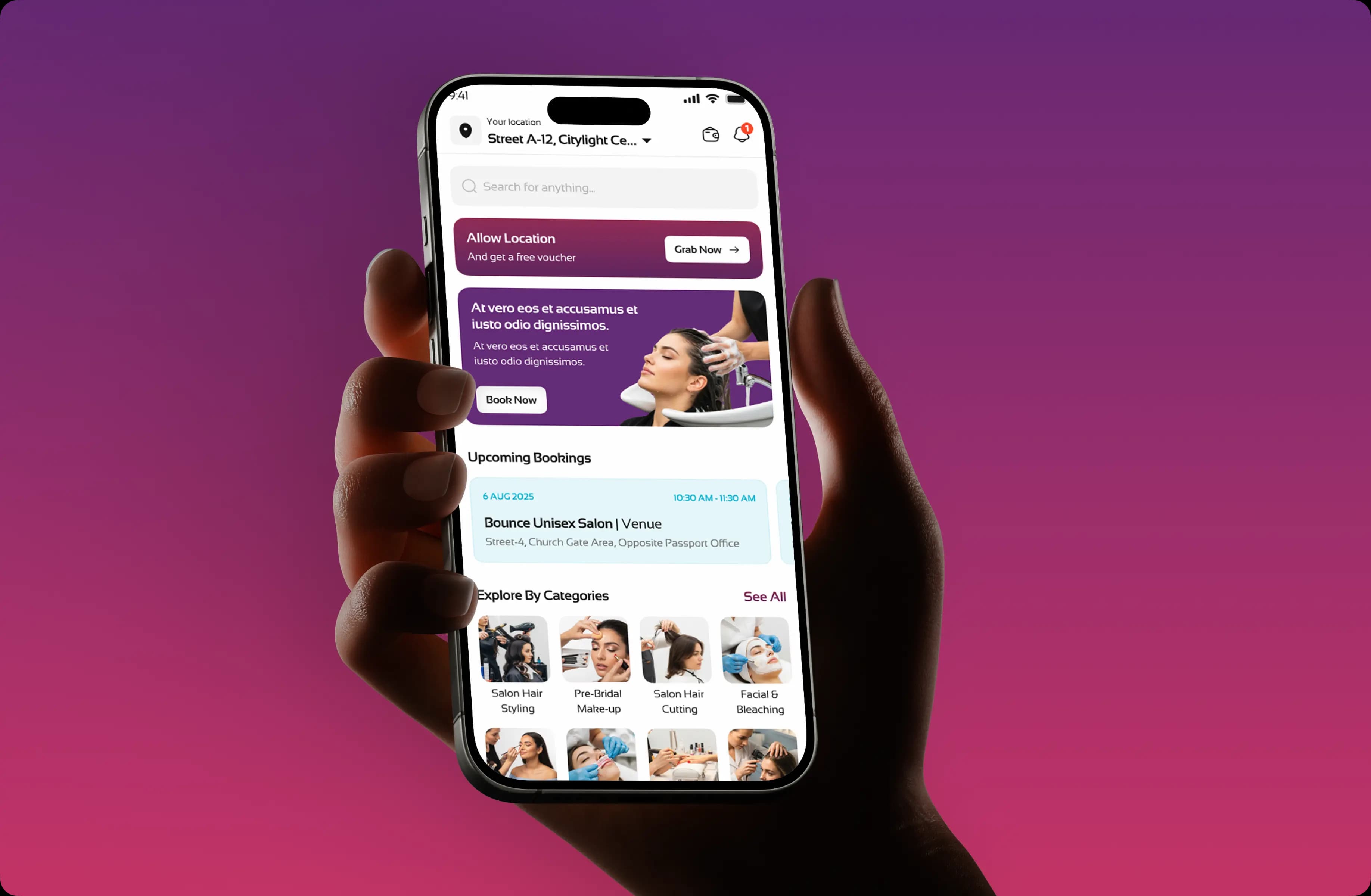
Smart Beauty & Wellness Appointment App – MakeMyLook
/01 · Finance / Analytics

Smart Beauty & Wellness Appointment App – MakeMyLook

A full-stack beauty marketplace consumer mobile app, vendor dashboard, and super admin panel designed and delivered by Creuto from scratch.

200+

Vendors Onboarded

40%

Drop-offs Reduced

16 wk

Time to Market

View Case Study
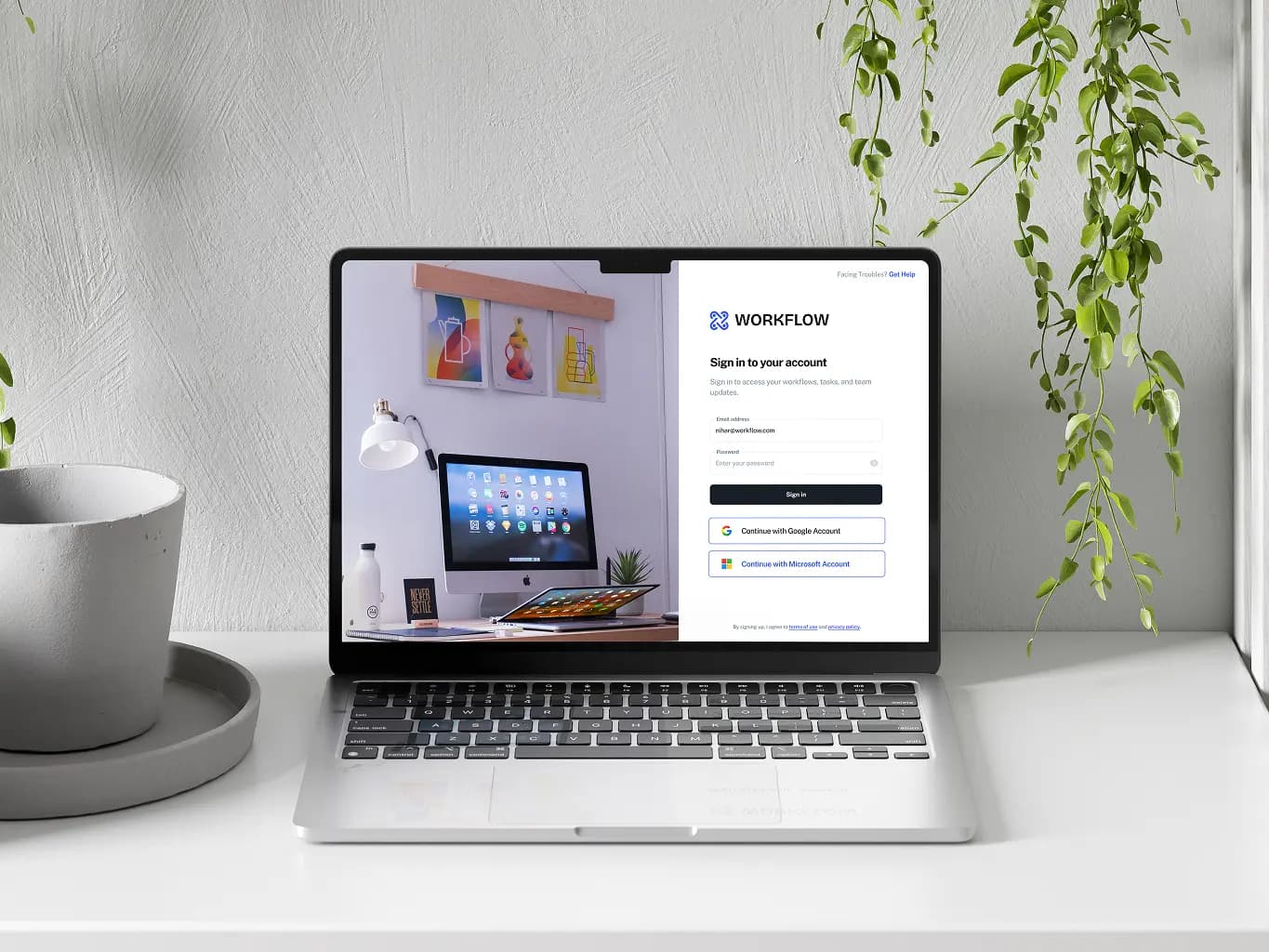
Enterprise Workflow Automation & Process Management Platform
/02 · Operations / Workflow

Enterprise Workflow Automation & Process Management Platform

A full-stack workflow management platform — admin panel, task boards, collaboration engine, and reporting suite — designed and delivered by Creuto from the ground up.

1

Source of Truth for All Work

100%

Task Audit Trail

4

Task Lifecycle States

View Case Study
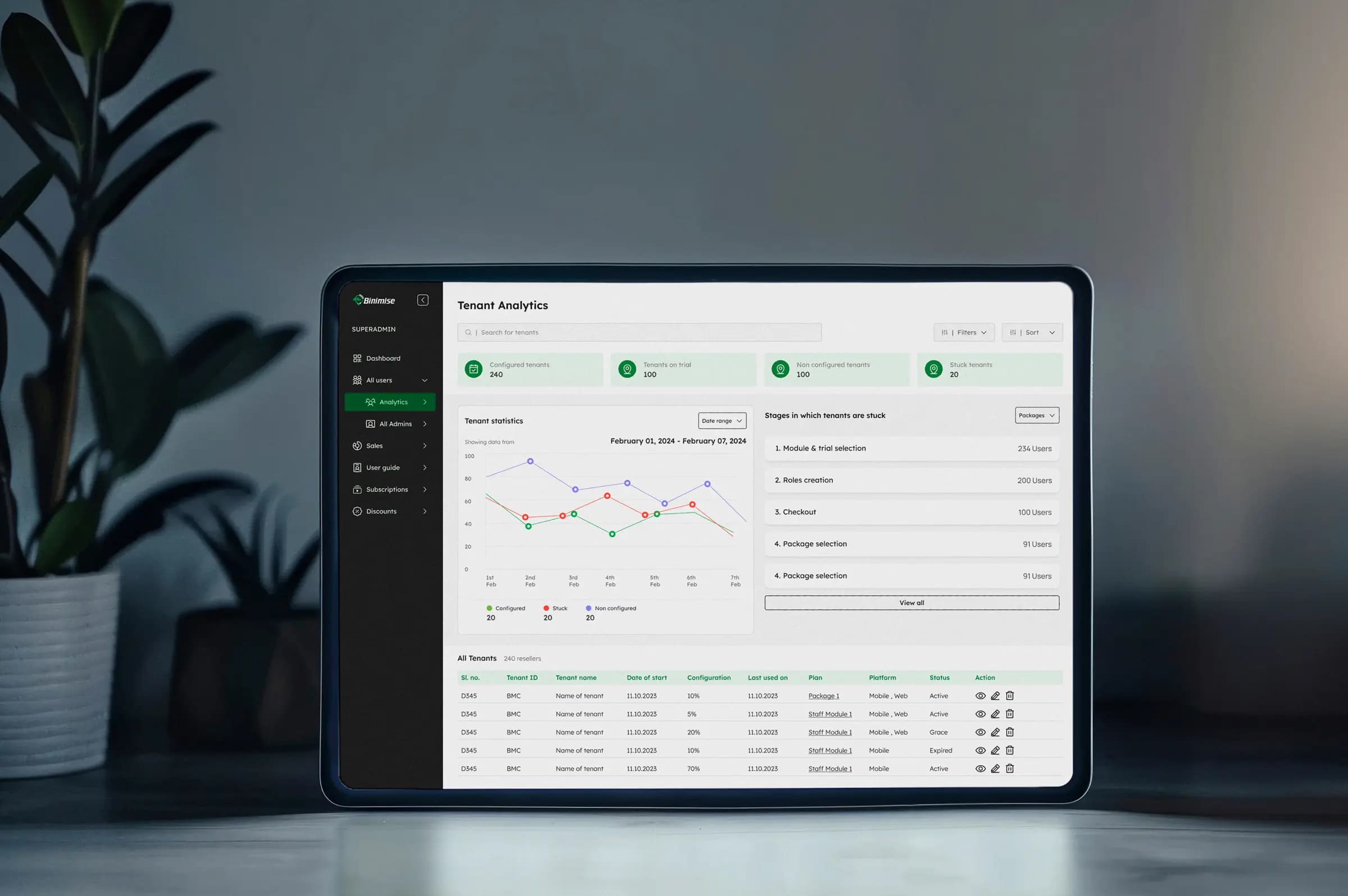
IoT Smart City Platform for Binimise
/03 · Smart City / IoT

IoT Smart City Platform for Binimise

A cloud-native, IoT-powered smart city platform — web command dashboard, citizen mobile app, field staff app, and full IoT integration designed and delivered by Creuto from the ground up.

10

Integrated Modules

25–30%

Reduction in Vehicle Trips

4

Platforms Delivered

View Case Study
COMPLIANCE AND SECURITY

Compliance and security, designed in.

The telemedicine standards we build against and the controls behind them. Your compliance team keeps ownership; we make the software easy to certify.

Telehealth regulations we build for

  • HIPAA and HITECH (United States)
  • GDPR health-data provisions
  • UAE DHA and DoH telehealth standards
  • India Telemedicine Practice Guidelines
  • Saudi NHIC and SDAIA data rules
  • ISO/IEC 27001 aligned controls
  • Business Associate Agreements on request

Session security

  • End-to-end encrypted video and chat
  • Consent capture before every session
  • Recording controls and retention policies
  • Multi-factor authentication for clinicians
  • Session and access audit trails

Clinical standards

  • HL7 FHIR R4 for records exchange
  • SNOMED CT and ICD-10 coding
  • E-prescription standards by market
  • Identity verification for prescribers

Platform quality

  • Load testing for peak demand
  • Automated regression and device testing
  • Accessibility to WCAG 2.2 AA
  • 24/7 monitoring and alerting
INTEGRATIONS

Telemedicine integrations we connect.

The platforms, standards and third-party services a product in this sector usually has to talk to. If yours is not listed, it is almost certainly something we have connected before.

/01Video and messaging

  • Twilio Video
  • Agora
  • Vonage Video
  • Zoom SDK
  • WebRTC
  • SendGrid
  • WhatsApp Business API

/02EHR and clinical systems

  • Epic
  • Oracle Health (Cerner)
  • athenahealth
  • eClinicalWorks
  • OpenEMR
  • Lab systems via HL7

/03Pharmacy and devices

  • Surescripts
  • Pharmacy management systems
  • Apple HealthKit
  • Google Health Connect
  • Bluetooth vitals devices

/04Payments and insurance

  • Stripe
  • Razorpay
  • Network International
  • Insurance eligibility APIs
  • Claims clearinghouses
WHY CREUTO

Why choose Creuto as your telemedicine software development company

The reasons clients in this sector give when they recommend us, not the ones we would pick ourselves.

Either we build it exceptional, or we don't.

The standard every telemedicine product leaves our studio with.

0+

Products delivered

0+

Years of engineering

0%

Client satisfaction

Start a conversation
  1. /01

    Telehealth is a workflow, not a video widget

    We build the scheduling, documentation, prescribing and payment flow around the call, which is what makes clinicians adopt it.

  2. /02

    Integration-first delivery

    FHIR and HL7 integration with your EHR and pharmacy systems is part of the first release, not a later phase.

  3. /03

    Compliance you can evidence

    Consent, encryption, audit and retention controls come with the documentation your privacy officer and assessors need.

  4. /04

    Built for real networks and real patients

    Adaptive video, reconnection handling, browser access and accessibility testing with the people who will use it.

  5. /05

    From pilot to network

    Multi-provider, multi-location and white-label architecture from the start, so growth does not mean a rebuild.

BENEFITS

Benefits of custom telemedicine software over off-the-shelf tools.

What organisations in this sector gain when the software is built around their workflows rather than the other way around.

  1. 01

    More capacity without more buildings

    Virtual visits let clinicians see follow-ups and routine cases faster, freeing physical slots for patients who need them.

  2. 02

    Lower no-show rates

    Reminders, one-tap joining and flexible scheduling reduce missed appointments and the revenue lost with them.

  3. 03

    Wider patient reach

    Rural, mobility-limited and time-poor patients get access to care they would otherwise delay.

  4. 04

    Faster follow-up and better adherence

    Asynchronous messaging and monitoring catch problems between visits instead of at the next emergency.

  5. 05

    Leaner operations

    Automated intake, payments and documentation reduce front-desk and administrative load per consultation.

  6. 06

    New service lines

    Specialist networks, second opinions and employer programmes become possible without new physical sites.

HOW WE WORK

Our telemedicine software development process.

Transparent, sprint-based and built around decisions you can see. You know what ships, when, and why at every step.

Start Your Project
  1. 01

    Care model and journey mapping

    We define which conditions and visit types suit virtual care, then map patient and clinician journeys from booking to follow-up.

  2. 02

    Compliance and integration plan

    Consent model, recording policy, hosting region and the EHR, pharmacy and payment integrations are specified before design.

  3. 03

    Experience design and clinical validation

    Prototypes are tested with clinicians and patients on real devices and poor networks, not just in the office.

  4. 04

    Platform engineering

    Video, scheduling, records and payments are built in two-week sprints against sandbox EHR and payment environments.

  5. 05

    Quality, security and load testing

    Device matrix testing, HL7 and FHIR conformance checks, penetration testing and peak-load simulation.

  6. 06

    Launch and growth

    Pilot with one clinic or specialty, then scale across sites with monitoring, training and a measured roadmap.

TECHNOLOGY STACK

Technology stack for telemedicine software development.

Chosen per project for longevity, hiring depth and fit with your existing systems, never by fashion.

/01Mobile

  • Swift
  • SwiftUI
  • Kotlin
  • Jetpack Compose
  • Flutter
  • React Native

/02Web and backend

  • React
  • Next.js
  • TypeScript
  • Node.js
  • NestJS
  • Python
  • Django

/03Real-time and video

  • WebRTC
  • Twilio
  • Agora
  • Vonage Video
  • Kafka
  • Redis

/04Interoperability

  • HAPI FHIR
  • Google Cloud Healthcare API
  • AWS HealthLake
  • HL7
  • FHIR

/05Data and cloud

  • PostgreSQL
  • MongoDB
  • AWS
  • Azure
  • Google Cloud
  • Docker
  • Kubernetes
  • Terraform

/06AI

  • Claude
  • OpenAI
  • Whisper
  • LangChain
  • pgvector

/07Security and identity

  • OAuth 2.0
  • OpenID Connect
  • Auth0
  • Keycloak
  • AWS KMS

AI IN TELEMEDICINE

AI that shortens the visit, not the care.

We add AI where it removes admin from telehealth: structured intake before the call, triage suggestions for routing, and consultation summaries that clinicians review and sign, with every output logged.

Explore our AI engineering
  • Symptom intake and triage questionnaires
  • Consultation transcription and summaries
  • Draft notes and prescriptions for review
  • Smart routing to the right clinician
  • Follow-up reminders and adherence nudges
  • Demand forecasting for provider rosters
TRENDS

Trends shaping telemedicine software right now.

The shifts we design for so a product launched this year is still the right product in three.

  1. 01

    Hybrid care pathways

    Virtual and in-person visits are planned as one pathway, so platforms must share scheduling, records and billing with physical services.

  2. 02

    AI-assisted intake and documentation

    Symptom intake, triage suggestions and consultation summaries reduce admin time, with clinician review as the control.

  3. 03

    Remote monitoring as part of the visit

    Wearable and device data arrives before and after consultations, turning telehealth into continuous care rather than isolated calls.

  4. 04

    Regulated e-prescribing

    Markets are formalising digital prescription rules, which makes prescriber identity, audit and pharmacy integration mandatory features.

  5. 05

    Data residency by market

    UAE, Saudi Arabia and India require health data to remain in-country, shaping hosting and vendor choices.

COST AND TIMELINE

How much does telemedicine software development cost?

There is no honest single number. Scope, integrations and compliance drive the budget, so we price against a written scope after discovery. The factors below are what move it.

  1. 01

    Video provider and scale

    Consultation volume and quality requirements drive video infrastructure cost and the engineering around it.

  2. 02

    Number of apps and roles

    Patient, doctor and admin products share a backend but each needs its own design, build and testing.

  3. 03

    EHR and pharmacy integrations

    Each system adds analysis, sandbox access, mapping and conformance testing.

  4. 04

    Regulatory scope

    Multi-market compliance, recording policies and prescriber verification add design and documentation effort.

  5. 05

    AI features

    Intake, triage and note generation require evaluation, governance and clinician review loops.

  6. 06

    Marketplace mechanics

    Provider onboarding, payouts, ratings and disputes are a product in their own right.

EngagementTypical scopeTimeline
Validation MVPPatient and doctor apps, scheduled video consultations, payments, basic records.10 to 14 weeks
Production platformOn-demand and scheduled care, e-prescribing, EHR integration, admin console, monitoring.4 to 6 months
Multi-provider networkMarketplace or multi-site platform, remote monitoring, AI intake, white-label, analytics.7 to 12 months, phased
BUSINESS MODELS

How telemedicine products make money.

Revenue models we have built billing, reporting and growth loops for. Most products combine two or three.

  1. 01

    Per-consultation fees

    Patients or insurers pay per visit, with the platform taking a commission on marketplaces.

  2. 02

    Provider subscriptions

    Per-clinician or per-clinic monthly plans for scheduled virtual care.

  3. 03

    Employer and insurer programmes

    Members get virtual care as a benefit, paid by the sponsoring organisation.

  4. 04

    Enterprise licensing

    Hospital networks license the platform with implementation and support fees.

  5. 05

    Add-on services

    Remote monitoring, pharmacy delivery and second-opinion services as paid extensions.

HOW WE DELIVER

Services behind our telemedicine work

The engineering disciplines every project in this sector draws on. Each has its own page with process, stack and FAQs.

TESTIMONIALS

Don't take our word for it.

Founders and product leaders on what it is like to build with Creuto.

“What impressed us most about Creuto was their deep understanding of both design and product thinking.”

Creuto's app led to increased user engagement and product adherence. Customers interacted with the brand daily, creating stronger and more consistent wellness habits. The team was smooth, structured, and highly responsive. They maintained clear communication and delivered items on time.

NR

Namrata Reddy

CEO, Bloomally

Read on Clutch

More client voices

/01 of 06

on Clutch
FAQ

Frequently Asked Questions

Straight answers about telemedicine software projects. If yours is not here, ask us directly.

Ask our telemedicine team

It depends on whether you need patient, doctor and admin apps, the video provider and consultation volume, the EHR and pharmacy integrations in scope, and the regulatory requirements of your markets. A validation MVP is a materially smaller investment than a multi-provider network. After discovery we provide a fixed-scope proposal with a clear breakdown.

A validation MVP with scheduled video consultations and payments typically takes 10 to 14 weeks. A production platform with e-prescribing, EHR integration and an admin console usually takes four to six months. Multi-provider networks with remote monitoring and AI are delivered in phases over seven to twelve months.

We build telemedicine platforms with the technical safeguards HIPAA requires: encrypted video and data, access controls, audit logs, consent capture and retention policies, and we sign Business Associate Agreements where our role requires it. Your organisation keeps ownership of administrative safeguards, and we provide the documentation to support them.

Yes. We support browser-based consultations alongside native iOS and Android apps, which matters for first-time patients and shared family devices.

We use HL7 FHIR R4 or HL7 v2 interfaces, or vendor APIs, to read patient demographics and history before a visit and write back notes, diagnoses, orders and prescriptions afterwards. For systems without a modern API we build an integration layer.

Yes. We build multi-provider and multi-location platforms with separate schedules, roles, pricing, branding and reporting, including white-label deployments.

Yes. We integrate video consultations, scheduling and e-prescribing into an existing app or patient portal rather than forcing a rebuild.

It depends on where patients and clinicians are located. Common requirements include HIPAA and HITECH in the United States, GDPR in the EU and UK, DHA and DoH standards in the UAE, India's Telemedicine Practice Guidelines, and local e-prescribing and data-residency rules. We map the applicable set during discovery.

LET'S BUILD

Planning a telemedicine product? Let's scope it together.

Tell us what you are building. We will help you scope it, design it, and ship it, with a senior team accountable end to end.

  • Reply within one business day
  • NDA on request
  • Senior engineers only
  • Fixed scope, no surprises