Creuto is now an OpenAI Select Partner Read More

Healthcare · Specialisation

Medical Device Software Development Services

Reliable Software for Devices Where Accuracy Matters.

We build companion apps, device connectivity, and data platforms for medical device manufacturers and healthtech companies, engineered for reliability, traceability, and the documentation that regulated products require.

  • IEC 62304 and ISO 13485-aligned delivery
  • BLE device, EHR and cloud IoT integration
  • Senior-only engineering team

Plan your medical device software project

Tell us what you want to build. A senior engineer, not a sales script, replies within one business day.

What's your budget range?

Your idea is protected. NDA available on request.

Trusted by teams building what's next

  • Creuto client 1
  • Creuto client 2
  • Creuto client 3
  • Creuto client 4
  • Creuto client 5
  • Creuto client 6
  • Creuto client 7
  • Creuto client 8
  • Creuto client 9
  • Creuto client 10
  • Creuto client 11
  • Creuto client 12
  • Creuto client 13
  • Creuto client 14
OVERVIEW

Software shaped around how medical device software really works.

Medical devices increasingly depend on software: companion apps that guide patients, cloud platforms that store readings, clinician portals that turn data into decisions, and standalone Software as a Medical Device. That software sits inside a regulated product, so it has to be dependable on every supported phone, secure against modern threats and documented well enough to stand up to an auditor, a notified body or the FDA.

As a medical device software development company, we build BLE companion apps, device connectivity layers, cloud data platforms, clinician dashboards and SaMD components for device manufacturers and healthtech companies. We work inside your quality management system, following an IEC 62304-aligned lifecycle with requirements traceability, risk controls linked to ISO 14971 analysis, and verification evidence produced as part of every sprint.

Connectivity is where many device programmes slip. We engineer pairing, reconnection, background sync and firmware update flows across iOS and Android versions, using Bluetooth LE health profiles where devices support them. Data flows through AWS IoT or Azure IoT Hub into platforms that integrate with Epic, Oracle Health (Cerner) and other EHRs through HL7 v2 and FHIR R4, with 21 CFR Part 11 controls where electronic records require them.

Cybersecurity and regulatory documentation are designed in, not assembled at the end. We support FDA SaMD and premarket cybersecurity expectations, EU MDR technical documentation, IEC 81001-5-1 secure lifecycle practices and ISO 13485 records, alongside HIPAA, GDPR and regional data rules. Your regulatory team stays responsible for classification and submissions, and we give them the evidence they need.

Why medical device software teams build with Creuto

IEC 62304-aligned lifecycle

Software development plans, requirements, architecture, unit and integration verification, and release records produced within your QMS, with traceability maintained as the product changes.

Reliable BLE connectivity

Pairing, bonding, reconnection, background sync and data integrity checks engineered and tested across a matrix of iOS and Android devices and OS versions.

Risk and cybersecurity engineering

Software risk controls traced to ISO 14971 analysis, threat modelling, SBOMs and secure update mechanisms that support FDA premarket and IEC 81001-5-1 expectations.

Device cloud platforms

Secure ingestion through AWS IoT or Azure IoT Hub, device fleet management, data storage with audit trails and APIs for clinicians, partners and EHRs.

Firmware collaboration

We work alongside your embedded team on protocols, GATT services, OTA update flows and test fixtures, so device and app releases stay compatible.

Controlled change management

Versioned requirements, impact analysis, regression evidence and release documentation for every change, so post-market updates do not reopen the whole file.

0+

Products delivered

0+

Years of engineering

0%

Client satisfaction

0+

Industries served

0+

Countries with live products

WHAT WE BUILD

Medical Device Software software solutions we build.

Each one designed with your teams, integrated with the systems you already run, and engineered to scale.

RELATED AREAS

More Healthcare software we build

Other healthcare areas with a dedicated page.

TYPES OF SOLUTIONS

Types of medical device software apps and software we develop.

The product categories medical device software organisations most often ask us to build, from focused mobile apps to multi-tenant platforms.

  1. 01

    Software as a Medical Device (SaMD)

    Standalone software that performs a medical purpose, such as analysis, monitoring or decision support, developed within your regulated lifecycle.

  2. 02

    BLE companion apps

    iOS and Android apps that pair with glucose meters, blood pressure monitors, inhalers, pumps and other devices to capture and explain readings.

  3. 03

    Connected device cloud platforms

    Ingestion, storage, fleet management and APIs for device data, with audit trails and role-based access.

  4. 04

    Clinician portals and remote monitoring dashboards

    Web applications where care teams review device data, thresholds and alerts for their patient population.

  5. 05

    Device configuration and service tools

    Apps for technicians and field engineers to configure, calibrate, diagnose and update devices securely.

  6. 06

    Firmware update and fleet management systems

    Signed over-the-air updates, version tracking and staged rollouts for devices in the field.

  7. 07

    Diagnostic and imaging software

    Viewing, measurement and workflow software for diagnostic devices, integrated with PACS through DICOM.

  8. 08

    Clinical trial and evidence data platforms

    Data capture and export for device studies, with 21 CFR Part 11 controls for electronic records and signatures.

KEY FEATURES

Must-have features of a medical device software platform we build in.

Grouped by who uses them. Every feature below is one we have shipped to production, not a wishlist.

/01

Patient companion app

Guides patients through using the device correctly.

  • Guided device pairing and setup
  • Automatic reading sync with retry
  • Offline storage and later upload
  • Readings, trends and plain-language explanations
  • Therapy and measurement reminders
  • Device status, battery and error guidance
  • Consent and data sharing controls
  • In-app instructions for use and support
/02

Clinician portal

From raw readings to clinical decisions.

  • Patient list with device and adherence status
  • Configurable thresholds and alerts
  • Reading history with data provenance
  • Report generation for consultations
  • Remote device configuration where permitted
  • EHR write-back via HL7 or FHIR
  • Electronic signatures for reviews
  • Role-based access by care team
/03

Manufacturer and quality console

Fleet, release and post-market oversight.

  • Device registry and fleet status
  • Firmware and app version management
  • Signed OTA update rollout controls
  • Complaint and adverse event intake
  • Field performance and error analytics
  • Audit trails for records and changes
  • Cybersecurity vulnerability tracking
  • Data export for post-market surveillance
CHALLENGES WE SOLVE

What holds medical device software teams back.

The problems we most often help medical device software organisations solve, and design every engagement around.

  1. 01

    Regulatory expectations

    Software must be planned, traceable, verified and documented to a standard that supports FDA, EU MDR and other submissions, not reconstructed after development.

  2. 02

    Reliable device connectivity

    Bluetooth behaviour varies across phone models, OS versions and power-saving modes, and dropped connections can mean lost or duplicated clinical readings.

  3. 03

    Cybersecurity scrutiny

    Regulators now expect threat models, SBOMs, vulnerability management and secure update mechanisms as part of the device submission and post-market plan.

  4. 04

    Secure data handling

    Device data needs protection from sensor to clinical use, with integrity checks, access control and audit trails at every step of the pipeline.

  5. 05

    Change after clearance

    OS updates, new phones and feature requests keep arriving after launch, and each change needs impact analysis and evidence without stalling the roadmap.

SELECTED WORK

Products we have shipped. Results we can point to.

Real products designed and engineered by Creuto end to end, with the operational depth healthcare and medical device software projects demand.

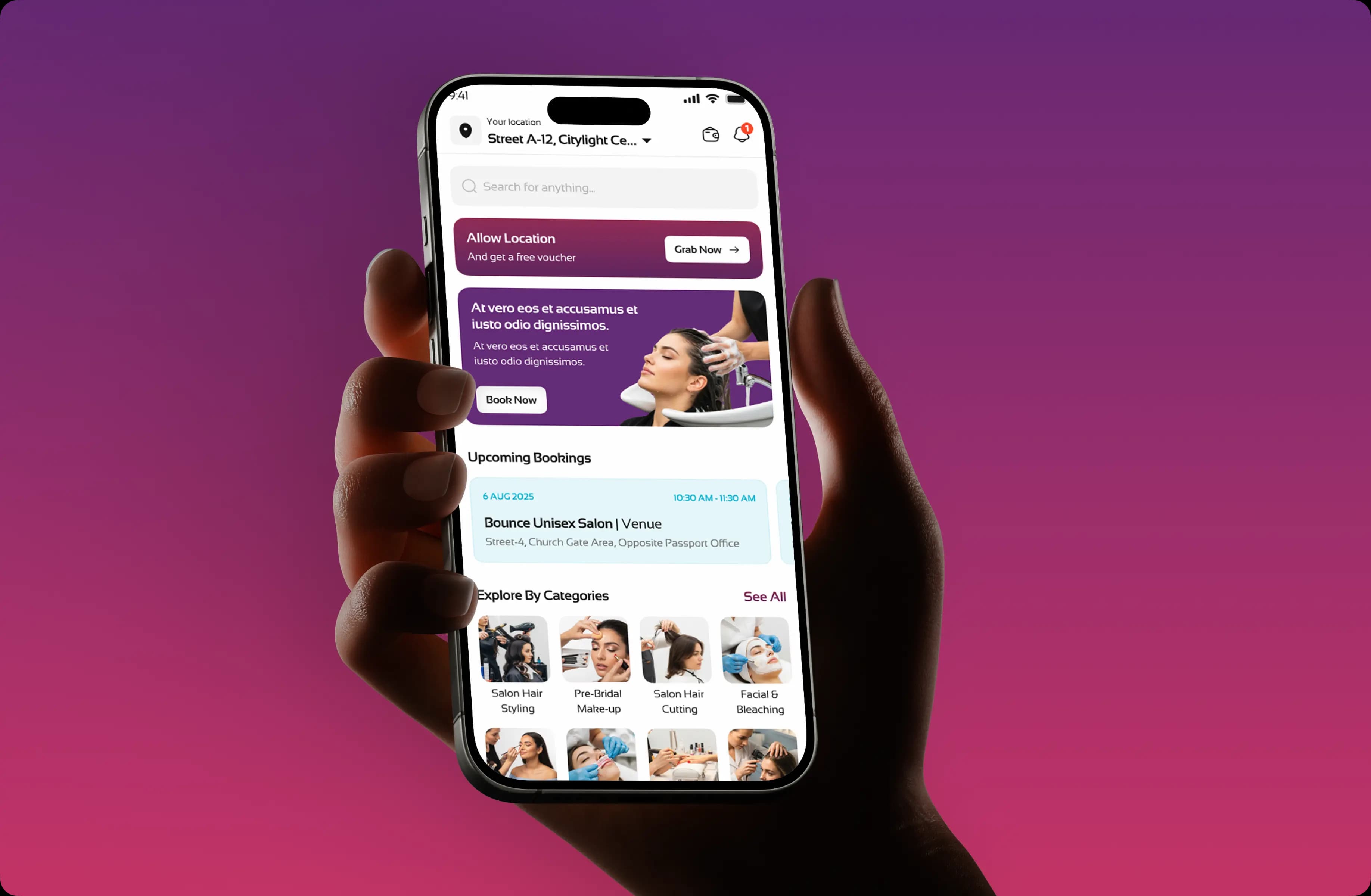
Smart Beauty & Wellness Appointment App – MakeMyLook
/01 · Finance / Analytics

Smart Beauty & Wellness Appointment App – MakeMyLook

A full-stack beauty marketplace consumer mobile app, vendor dashboard, and super admin panel designed and delivered by Creuto from scratch.

200+

Vendors Onboarded

40%

Drop-offs Reduced

16 wk

Time to Market

View Case Study
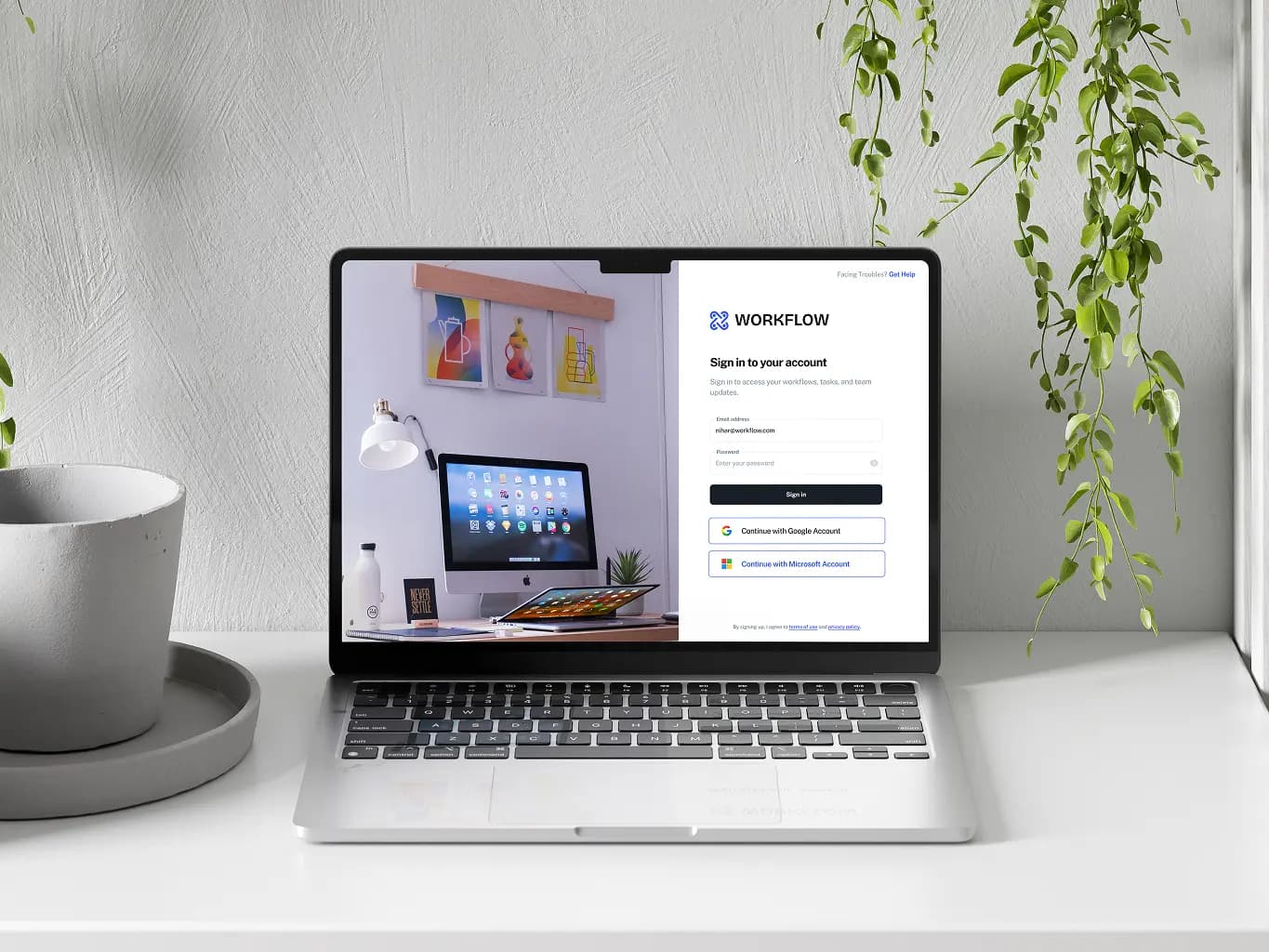
Enterprise Workflow Automation & Process Management Platform
/02 · Operations / Workflow

Enterprise Workflow Automation & Process Management Platform

A full-stack workflow management platform — admin panel, task boards, collaboration engine, and reporting suite — designed and delivered by Creuto from the ground up.

1

Source of Truth for All Work

100%

Task Audit Trail

4

Task Lifecycle States

View Case Study
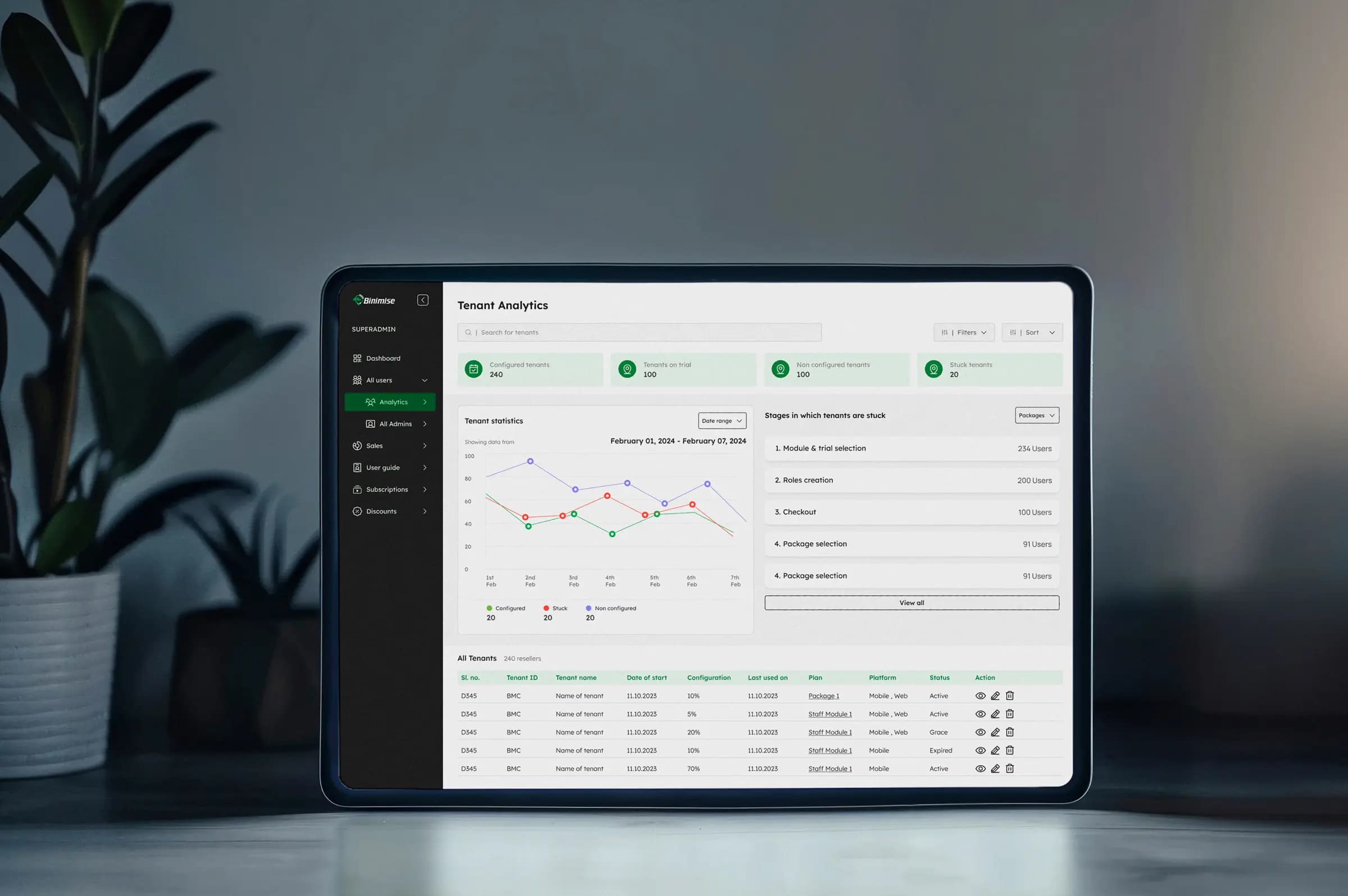
IoT Smart City Platform for Binimise
/03 · Smart City / IoT

IoT Smart City Platform for Binimise

A cloud-native, IoT-powered smart city platform — web command dashboard, citizen mobile app, field staff app, and full IoT integration designed and delivered by Creuto from the ground up.

10

Integrated Modules

25–30%

Reduction in Vehicle Trips

4

Platforms Delivered

View Case Study
COMPLIANCE AND SECURITY

Compliance and security, designed in.

The medical device software standards we build against and the controls behind them. Your compliance team keeps ownership; we make the software easy to certify.

Medical device regulations we build for

  • FDA SaMD guidance and premarket cybersecurity expectations
  • 21 CFR Part 11 electronic records and signatures
  • EU MDR technical documentation
  • India Medical Devices Rules (CDSCO)
  • HIPAA and GDPR for device data
  • UAE PDPL and DHA / DoH health data rules

Device software standards

  • IEC 62304 software lifecycle
  • ISO 13485 quality management support
  • ISO 14971 risk management
  • IEC 62366-1 usability engineering
  • IEC 81001-5-1 secure software lifecycle
  • Bluetooth LE health profiles

Security controls

  • Threat modelling and SBOMs
  • Signed firmware and app updates
  • Encryption from device to cloud
  • Mutual authentication for devices
  • Vulnerability monitoring and disclosure process
  • Penetration testing before release

Verification and quality

  • Requirements traceability matrix
  • Automated unit and integration tests
  • Device and OS compatibility matrix testing
  • Verification and validation reports
  • Change control and release records
  • Accessibility to WCAG 2.2 AA
INTEGRATIONS

Medical Device Software integrations we connect.

The platforms, standards and third-party services a product in this sector usually has to talk to. If yours is not listed, it is almost certainly something we have connected before.

/01Device connectivity

  • Bluetooth LE GATT services
  • Bluetooth health profiles (glucose, blood pressure)
  • Wi-Fi and cellular gateways
  • NFC
  • Apple HealthKit
  • Google Health Connect

/02Cloud IoT platforms

  • AWS IoT Core
  • Azure IoT Hub
  • AWS IoT Device Management
  • MQTT brokers
  • Device provisioning services

/03Clinical systems

  • Epic
  • Oracle Health (Cerner)
  • athenahealth
  • HAPI FHIR
  • Mirth Connect
  • PACS via DICOM

/04Quality and operations

  • Jira and requirements tools
  • eQMS platforms
  • Twilio
  • SendGrid
  • Sentry
  • Datadog
WHY CREUTO

Why choose Creuto as your medical device software software development company

The reasons clients in this sector give when they recommend us, not the ones we would pick ourselves.

Either we build it exceptional, or we don't.

The standard every medical device software product leaves our studio with.

0+

Products delivered

0+

Years of engineering

0%

Client satisfaction

Start a conversation
  1. /01

    We work inside your QMS

    Our deliverables follow your procedures and templates, so evidence slots into your design history file without rework.

  2. /02

    Connectivity expertise

    We have solved the pairing, background and reconnection issues that make BLE companion apps unreliable on real phones.

  3. /03

    Traceability from day one

    Requirements, risks, code and tests are linked continuously, so audits and submissions are not a last-minute scramble.

  4. /04

    Security by design

    Threat modelling, SBOMs, signed updates and vulnerability management are part of the architecture, not a pre-submission patch.

  5. /05

    Honest role boundaries

    Your regulatory team owns classification and submissions. We provide the engineering, evidence and support they need to do that well.

BENEFITS

Benefits of custom medical device software software over off-the-shelf tools.

What organisations in this sector gain when the software is built around their workflows rather than the other way around.

  1. 01

    Smoother submissions

    Traceable requirements, risk controls and verification evidence reduce questions and rework during regulatory review.

  2. 02

    Fewer support calls

    Reliable pairing, clear error guidance and automatic sync reduce the device support burden on your team.

  3. 03

    Better patient adherence

    Companion apps that explain readings and remind patients help people use the device as intended.

  4. 04

    Data clinicians can trust

    Integrity checks, provenance and audit trails make device data suitable for clinical decisions.

  5. 05

    Faster post-market change

    Controlled change processes let you ship OS compatibility updates and features without reopening the whole file.

  6. 06

    New service revenue

    Connected platforms enable remote monitoring programmes, data services and subscriptions around the device.

HOW WE WORK

Our medical device software software development process.

Transparent, sprint-based and built around decisions you can see. You know what ships, when, and why at every step.

Start Your Project
  1. 01

    Product and regulatory discovery

    We clarify intended use, users, device interfaces and the regulatory route with your team, and agree how our work fits your quality management system.

  2. 02

    Planning, architecture and risk

    Software development plan, architecture, safety classification inputs, ISO 14971 risk controls and the cybersecurity threat model are documented before build begins.

  3. 03

    Usability design and validation

    Interfaces are designed and tested following IEC 62366-1 principles, with formative evaluations involving representative patients and clinicians.

  4. 04

    Traceable engineering

    Two-week sprints where every requirement, risk control and test is linked, and verification evidence is produced alongside the code rather than afterwards.

  5. 05

    Verification and security testing

    Automated and manual verification, device compatibility matrix testing, penetration testing and release documentation ready for your design history file.

  6. 06

    Release and post-market support

    Controlled releases, OS compatibility monitoring, vulnerability management and change impact analysis keep the product compliant after launch.

TECHNOLOGY STACK

Technology stack for medical device software software development.

Chosen per project for longevity, hiring depth and fit with your existing systems, never by fashion.

/01Mobile

  • Swift
  • SwiftUI
  • Kotlin
  • Jetpack Compose
  • Flutter
  • React Native

/02Web and backend

  • React
  • Next.js
  • TypeScript
  • Node.js
  • NestJS
  • Python
  • Go
  • Java

/03IoT and connectivity

  • Bluetooth LE
  • MQTT
  • AWS IoT Core
  • Azure IoT Hub
  • gRPC
  • FHIR

/04Data

  • PostgreSQL
  • TimescaleDB
  • Redis
  • Kafka
  • Snowflake

/05Cloud and DevOps

  • AWS
  • Azure
  • Docker
  • Kubernetes
  • Terraform
  • GitHub Actions

/06AI and signal processing

  • Python
  • PyTorch
  • TensorFlow
  • Scikit-learn
  • Claude

/07Security and identity

  • OAuth 2.0
  • OpenID Connect
  • Keycloak
  • AWS KMS
  • Vault

AI IN MEDICAL DEVICE SOFTWARE

AI that reads the signal, within the rules.

We build AI features for device software with the controls regulated products need: documented training data, locked or planned model changes, performance monitoring and clinician review where outputs inform care.

Explore our AI engineering
  • Signal quality and artefact detection
  • Anomaly and trend detection in readings
  • Alert prioritisation for clinicians
  • Adherence prediction and nudges
  • Complaint and field data classification
  • Draft regulatory and test documentation for review
TRENDS

Trends shaping medical device software software right now.

The shifts we design for so a product launched this year is still the right product in three.

  1. 01

    Cybersecurity as a submission requirement

    Regulators expect threat models, SBOMs and vulnerability management plans in premarket submissions, making secure lifecycle practices mandatory.

  2. 02

    Connected devices and remote monitoring

    Devices increasingly feed remote patient monitoring programmes, so companion apps and cloud platforms carry more clinical responsibility.

  3. 03

    AI-enabled device software

    Machine learning features in devices bring new expectations around data management, performance monitoring and planned model changes.

  4. 04

    Harmonised quality systems

    FDA's Quality Management System Regulation now aligns US requirements with ISO 13485, simplifying quality processes for manufacturers selling in several markets.

  5. 05

    Phone-as-platform devices

    More therapies rely on the patient's own smartphone, which makes OS compatibility monitoring and rapid validated updates a core capability.

COST AND TIMELINE

How much does medical device software software development cost?

There is no honest single number. Scope, integrations and compliance drive the budget, so we price against a written scope after discovery. The factors below are what move it.

  1. 01

    Software safety class

    Higher IEC 62304 safety classes require more detailed design, verification and documentation.

  2. 02

    Number of apps and platforms

    Companion app, clinician portal, cloud platform and manufacturer console each add design, build and verification.

  3. 03

    Device connectivity complexity

    Custom BLE protocols, multiple devices and OTA updates add engineering and compatibility testing effort.

  4. 04

    Regulatory markets

    FDA, EU MDR and other markets add documentation and evidence specific to each submission.

  5. 05

    Cybersecurity scope

    Threat modelling, SBOMs, penetration testing and vulnerability management are sized by device risk and connectivity.

  6. 06

    Integrations

    EHR, cloud IoT, eQMS and partner systems each add mapping, sandbox access and verification.

EngagementTypical scopeTimeline
Validation MVPCompanion app or prototype SaMD with one device, basic cloud sync and design controls for feasibility.10 to 14 weeks
Production platformCompanion app, clinician portal and cloud platform with full traceability, security and verification evidence.4 to 7 months
Multi-device or multi-marketDevice family, fleet management, OTA updates, EHR integration and evidence for several markets.8 to 14 months, phased
BUSINESS MODELS

How medical device software products make money.

Revenue models we have built billing, reporting and growth loops for. Most products combine two or three.

  1. 01

    Device plus software bundles

    Software included in the device price, with premium features or data services as paid upgrades.

  2. 02

    Patient subscriptions

    Recurring fees for coaching, advanced insights or supplies linked to the companion app.

  3. 03

    Remote monitoring reimbursement

    Providers bill eligible remote monitoring services using device data, supported by the platform's reporting.

  4. 04

    Clinician platform licences

    Per-clinic or per-patient fees for portals and dashboards used by care teams.

  5. 05

    Data and analytics services

    De-identified, consented data services for research and product improvement where regulation permits.

HOW WE DELIVER

Services behind our medical device software work

The engineering disciplines every project in this sector draws on. Each has its own page with process, stack and FAQs.

TESTIMONIALS

Don't take our word for it.

Founders and product leaders on what it is like to build with Creuto.

“Their services were excellent.”

Creuto delivered a web and mobile app that exceeded the client's expectations. The team was highly responsive and punctual from a workflow standpoint, and internal stakeholders praised the service provider's collaborative nature and agility.

ER

Emma Richardson

CEO, Emion

Read on Clutch

More client voices

/01 of 06

on Clutch
FAQ

Frequently Asked Questions

Straight answers about medical device software software projects. If yours is not here, ask us directly.

Ask our medical device software team

It depends on the software safety class, the number of apps and platforms, device connectivity complexity, the regulatory markets you are targeting, cybersecurity scope and integrations. A feasibility MVP is a much smaller investment than a multi-market device platform. After discovery we provide a fixed-scope proposal with a clear breakdown.

A validation MVP with a companion app or prototype SaMD typically takes 10 to 14 weeks. A production platform with companion app, clinician portal, cloud and full verification evidence usually takes four to seven months. Multi-device or multi-market programmes are delivered in phases over eight to fourteen months.

Yes. We work within your quality management system following an IEC 62304-aligned lifecycle, link software risk controls to your ISO 14971 analysis, support ISO 13485 records and provide requirements traceability, verification evidence and release documentation for FDA, EU MDR and other submissions.

Yes. We route device data through AWS IoT or Azure IoT Hub into platforms that integrate with Epic, Oracle Health (Cerner) and other EHRs using HL7 v2 or FHIR R4, with Mirth Connect or HAPI FHIR where an integration layer is needed.

App development usually refers to the companion mobile app that pairs with a device. Medical device software development covers the full system: embedded interfaces, apps, cloud platform, clinician tools, cybersecurity and the lifecycle documentation regulators expect. We deliver both, within one traceable process.

Yes, in partnership with your regulatory team, who remain responsible for classification and submissions. We follow FDA SaMD guidance and EU MDR expectations for software, and deliver the plans, traceability, risk controls and verification evidence your technical file needs.

Yes. We build BLE companion apps for iOS and Android with careful handling of pairing, bonding, reconnection, background behaviour and data integrity, tested across a defined device and OS matrix, and using Bluetooth LE health profiles where your device supports them.

We threat-model the system, produce SBOMs, sign firmware and app updates, encrypt data from device to cloud and run penetration tests before release. After launch we monitor vulnerabilities and support a disclosure process, in line with FDA premarket cybersecurity expectations and IEC 81001-5-1.

LET'S BUILD

Planning a medical device software product? Let's scope it together.

Tell us what you are building. We will help you scope it, design it, and ship it, with a senior team accountable end to end.

  • Reply within one business day
  • NDA on request
  • Senior engineers only
  • Fixed scope, no surprises