Creuto is now an OpenAI Select Partner Read More

Healthcare · Specialisation

Mental Health App Development Services

Digital Support for Mental Wellbeing, Built With Care.

We build mental health and behavioural care apps, from teletherapy platforms and CBT programmes to mood tracking and mindfulness, designed with clinicians, privacy-first, and with safeguards for vulnerable users.

  • HIPAA and GDPR-ready privacy by design
  • Crisis escalation and safeguarding built in
  • Senior-only engineering team

Plan your mental health apps project

Tell us what you want to build. A senior engineer, not a sales script, replies within one business day.

What's your budget range?

Your idea is protected. NDA available on request.

Trusted by teams building what's next

  • Creuto client 1
  • Creuto client 2
  • Creuto client 3
  • Creuto client 4
  • Creuto client 5
  • Creuto client 6
  • Creuto client 7
  • Creuto client 8
  • Creuto client 9
  • Creuto client 10
  • Creuto client 11
  • Creuto client 12
  • Creuto client 13
  • Creuto client 14
OVERVIEW

Software shaped around how mental health apps really works.

Demand for mental health support far exceeds the availability of in-person care. Waiting lists for therapy run for months, people in crisis struggle to find the right service, and much of the work of recovery happens between sessions, where support is thinnest. Digital tools can close part of that gap, but only if they are safe, clinically sound and respectful of some of the most sensitive data a person can share.

As a mental health app development company, we build teletherapy platforms, guided CBT and wellbeing programmes, mood and symptom tracking, and the clinician tools that sit behind them. We work with your clinical advisers from the first workshop, so content, measurement-based care using instruments such as PHQ-9 and GAD-7, and escalation paths are designed by people who understand risk, not added after launch.

Safety and engagement are engineered together. Crisis detection prompts route users to human help and local emergency lines, therapists see risk flags on their caseload, and programmes are paced to keep people coming back without manipulative design. Integrations with EHRs such as Epic and athenahealth, video providers such as Twilio and Agora, and Apple HealthKit and Health Connect keep care connected.

Privacy is the foundation. We minimise what is collected, encrypt everything, separate identity from clinical content and give users clear control over sharing, supporting HIPAA, GDPR special-category data rules, UAE PDPL with DHA and DoH requirements, and India's DPDP Act. Where an app makes treatment claims, we work with your regulatory team on the FDA SaMD or EU MDR route that applies.


Why mental health apps teams build with Creuto

Clinician-led product design

Content, assessments and escalation flows are designed with psychologists, psychiatrists and therapists, so the app reflects evidence-informed practice and your organisation's clinical governance.

Crisis safeguarding

Risk screening, keyword and score-based alerts, safety plans and one-tap routes to crisis lines and on-call clinicians, tested against realistic scenarios before launch.

Teletherapy infrastructure

Encrypted video, chat and scheduling for one-to-one and group sessions, with session notes, consent records and therapist availability managed in one place.

Measurement-based care

Validated questionnaires such as PHQ-9 and GAD-7, mood check-ins and progress trends shared with clinicians, so treatment decisions are informed by outcome data.

Privacy by design

Data minimisation, encryption, pseudonymised analytics and granular consent for sharing with therapists, employers or insurers, built for HIPAA and GDPR special-category data.

Ethical engagement

Programme pacing, reminders and progress feedback that support habit-building without dark patterns, streak pressure or notifications that could harm vulnerable users.

0+

Products delivered

0+

Years of engineering

0%

Client satisfaction

0+

Industries served

0+

Countries with live products

WHAT WE BUILD

Mental Health Apps software solutions we build.

Each one designed with your teams, integrated with the systems you already run, and engineered to scale.

RELATED AREAS

More Healthcare software we build

Other healthcare areas with a dedicated page.

TYPES OF SOLUTIONS

Types of mental health apps apps and software we develop.

The product categories mental health apps organisations most often ask us to build, from focused mobile apps to multi-tenant platforms.

  1. 01

    Teletherapy platforms

    Video, audio and chat therapy with scheduling, session notes, payments and therapist matching for practices and networks.

  2. 02

    CBT and digital therapy programmes

    Structured, clinician-designed courses with exercises, homework and progress tracking, guided or self-directed.

  3. 03

    Mood and symptom tracking apps

    Daily check-ins, journals and validated questionnaires with trends that users can share with their care team.

  4. 04

    Meditation, mindfulness and sleep apps

    Audio programmes, breathing exercises and sleep content with personalised plans and offline playback.

  5. 05

    Employee wellbeing platforms

    Programmes, coaching and counselling access for employers, with anonymised, aggregate reporting only.

  6. 06

    Substance use recovery apps

    Recovery programmes, peer support, check-ins and clinician contact, with the stricter confidentiality these records need.

  7. 07

    Psychiatry and medication management tools

    Appointment, prescription and side-effect tracking for psychiatric care, integrated with EHR and pharmacy systems.

  8. 08

    Peer support and community apps

    Moderated groups and one-to-one peer conversations with safeguarding, reporting and escalation to professionals.

  9. 09

    Digital therapeutics

    Evidence-based software interventions developed to regulated quality processes where treatment claims are made.

KEY FEATURES

Must-have features of a mental health apps platform we build in.

Grouped by who uses them. Every feature below is one we have shipped to production, not a wishlist.

/01

Client app

Calm, private and easy to return to.

  • Private onboarding with minimal data
  • Therapist matching and booking
  • Encrypted video, audio and chat sessions
  • Guided CBT exercises and homework
  • Mood journal and daily check-ins
  • PHQ-9 and GAD-7 questionnaires
  • Safety plan and crisis support access
  • Sharing controls for each care team member
/02

Therapist and clinician tools

Built around a caseload, not a chat inbox.

  • Caseload overview with risk flags
  • Availability, sessions and waiting lists
  • Session notes and treatment plans
  • Outcome measure trends per client
  • Programme assignment and progress review
  • Secure messaging with response windows
  • Crisis alerts and escalation workflow
  • AI-drafted session summaries for review
/03

Admin and clinical governance

Oversight for service leads and clinical directors.

  • Clinician onboarding and credential checks
  • Content library and programme management
  • Risk escalation rules and on-call rotas
  • Consent, retention and data access policies
  • Audit logs and incident records
  • Anonymised outcome and engagement reporting
  • Employer and payer contract configuration
  • Billing, payouts and insurance claims
CHALLENGES WE SOLVE

What holds mental health apps teams back.

The problems we most often help mental health apps organisations solve, and design every engagement around.

  1. 01

    Highly sensitive data

    Mental health information carries stigma and legal protection, so it needs stricter minimisation, consent and access control than most health data.

  2. 02

    User safety

    Apps must recognise when someone may be at risk and route them to human help quickly, without false reassurance or alarming people unnecessarily.

  3. 03

    Sustained engagement

    Benefits depend on consistent use over weeks and months, yet most wellbeing apps lose users quickly once the novelty of the first sessions fades.

  4. 04

    Clinical credibility

    Providers, employers and payers increasingly ask for evidence and clinical oversight before they adopt or reimburse a mental health product.

  5. 05

    Regulatory boundaries

    Apps that move from wellbeing into diagnosis or treatment claims can become regulated medical device software, with very different evidence and quality requirements.

SELECTED WORK

Products we have shipped. Results we can point to.

Real products designed and engineered by Creuto end to end, with the operational depth healthcare and mental health apps projects demand.

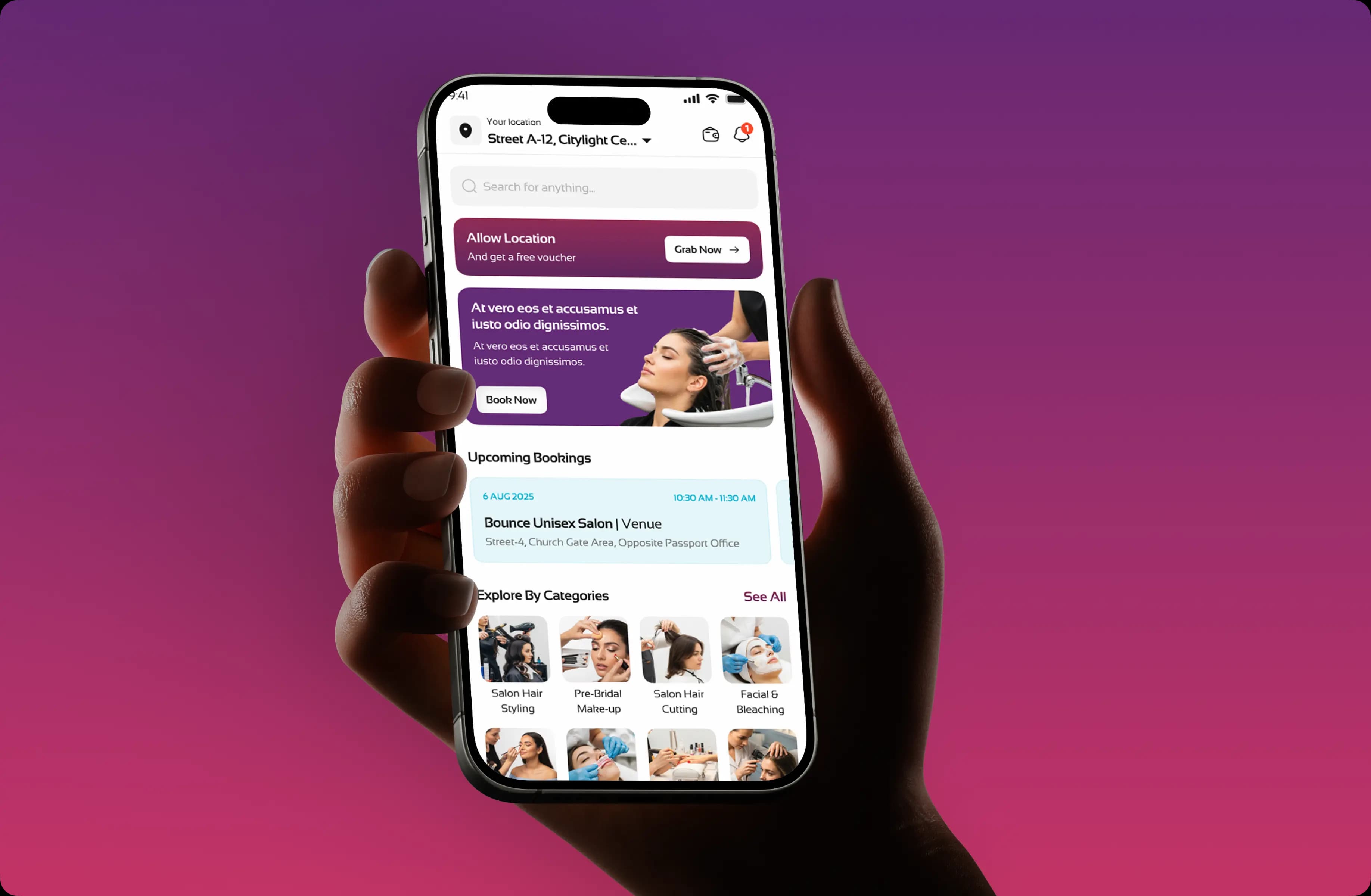
Smart Beauty & Wellness Appointment App – MakeMyLook
/01 · Finance / Analytics

Smart Beauty & Wellness Appointment App – MakeMyLook

A full-stack beauty marketplace consumer mobile app, vendor dashboard, and super admin panel designed and delivered by Creuto from scratch.

200+

Vendors Onboarded

40%

Drop-offs Reduced

16 wk

Time to Market

View Case Study
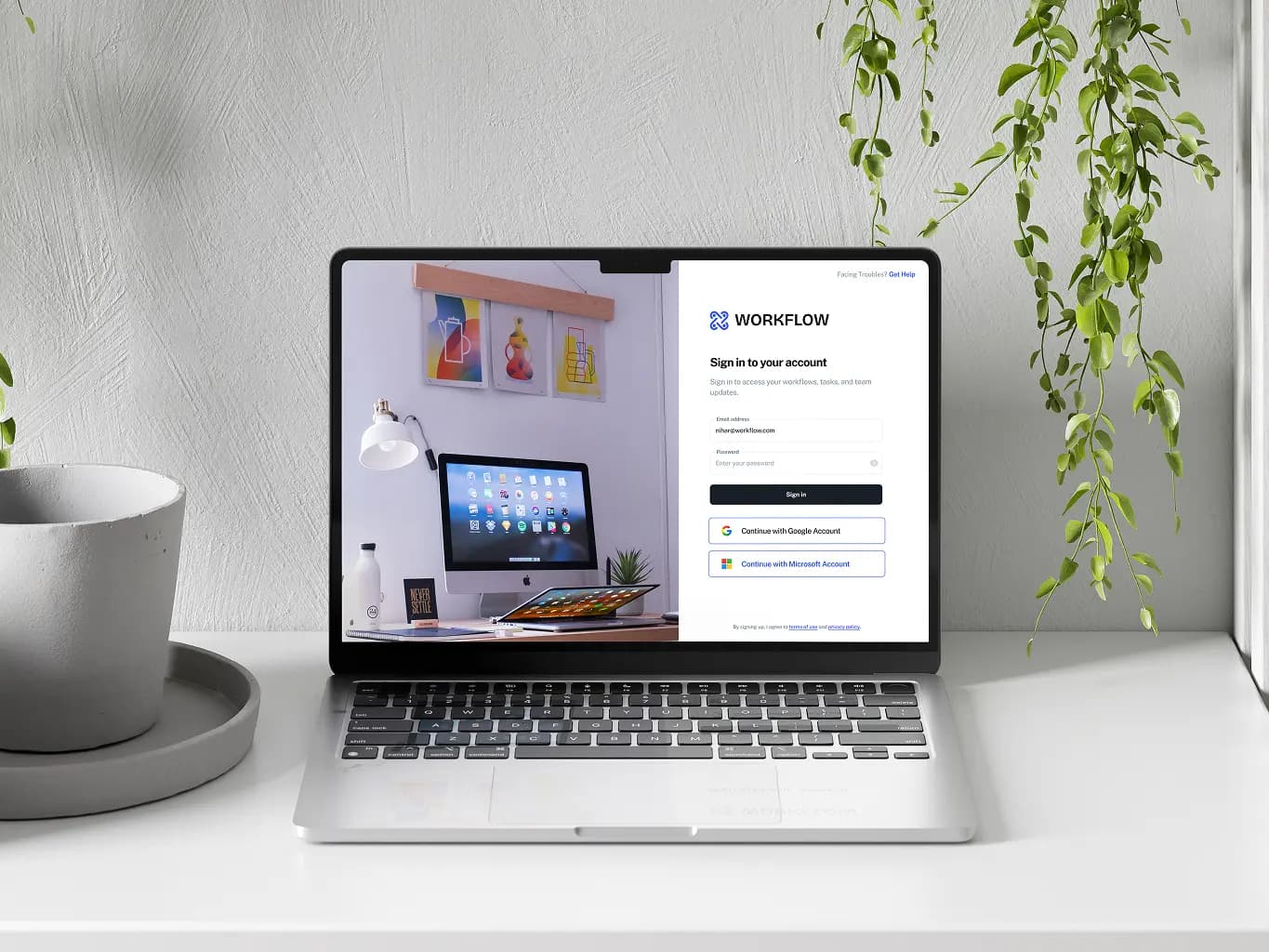
Enterprise Workflow Automation & Process Management Platform
/02 · Operations / Workflow

Enterprise Workflow Automation & Process Management Platform

A full-stack workflow management platform — admin panel, task boards, collaboration engine, and reporting suite — designed and delivered by Creuto from the ground up.

1

Source of Truth for All Work

100%

Task Audit Trail

4

Task Lifecycle States

View Case Study
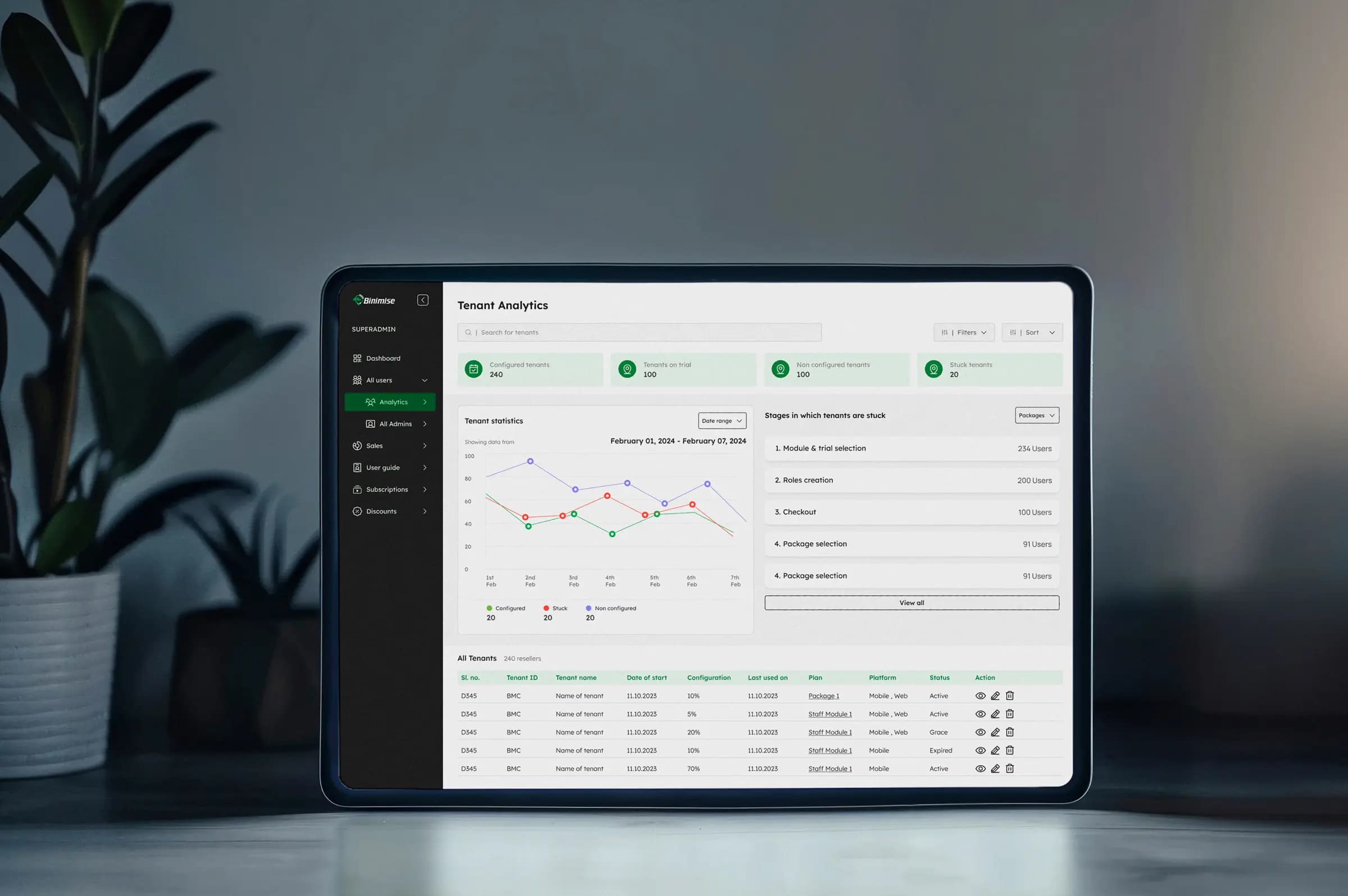
IoT Smart City Platform for Binimise
/03 · Smart City / IoT

IoT Smart City Platform for Binimise

A cloud-native, IoT-powered smart city platform — web command dashboard, citizen mobile app, field staff app, and full IoT integration designed and delivered by Creuto from the ground up.

10

Integrated Modules

25–30%

Reduction in Vehicle Trips

4

Platforms Delivered

View Case Study
COMPLIANCE AND SECURITY

Compliance and security, designed in.

The mental health apps standards we build against and the controls behind them. Your compliance team keeps ownership; we make the software easy to certify.

Mental health regulations we build for

  • HIPAA and HITECH (United States)
  • 42 CFR Part 2 for substance use records
  • GDPR special-category health data (EU and UK)
  • UAE PDPL and DHA / DoH health data rules
  • India DPDP Act and Mental Healthcare Act 2017
  • FDA SaMD and EU MDR where treatment claims apply
  • Business Associate Agreements on request

Clinical safety and standards

  • Clinician-approved escalation protocols
  • Validated measures such as PHQ-9 and GAD-7
  • Clinical risk management documentation
  • HL7 FHIR R4 for records exchange
  • SNOMED CT and ICD-10 coding where shared

Security and privacy controls

  • Encryption in transit and at rest
  • Separation of identity and clinical content
  • Granular, revocable sharing consent
  • Pseudonymised analytics only
  • Multi-factor authentication for clinicians
  • Penetration testing before launch

Platform quality

  • Accessibility to WCAG 2.2 AA
  • Crisis pathway scenario testing
  • Automated regression and device testing
  • Content review and versioning
  • 24/7 monitoring and alerting
INTEGRATIONS

Mental Health Apps integrations we connect.

The platforms, standards and third-party services a product in this sector usually has to talk to. If yours is not listed, it is almost certainly something we have connected before.

/01Clinical systems

  • Epic
  • athenahealth
  • Oracle Health (Cerner)
  • OpenEMR
  • HAPI FHIR
  • Practice management systems

/02Video and messaging

  • Twilio
  • Agora
  • Vonage Video
  • Zoom SDK
  • SendGrid
  • Firebase Cloud Messaging

/03Health data and devices

  • Apple HealthKit
  • Google Health Connect
  • Fitbit
  • Garmin
  • Oura

/04Payments and benefits

  • Stripe
  • Razorpay
  • Network International
  • Insurance eligibility APIs
  • Claims clearinghouses
  • Employer HR and SSO systems
WHY CREUTO

Why choose Creuto as your mental health apps software development company

The reasons clients in this sector give when they recommend us, not the ones we would pick ourselves.

Either we build it exceptional, or we don't.

The standard every mental health apps product leaves our studio with.

0+

Products delivered

0+

Years of engineering

0%

Client satisfaction

Start a conversation
  1. /01

    Safety comes first in our designs

    Escalation paths, risk flags and safety plans are part of the first release, designed and tested with your clinical team.

  2. /02

    Privacy engineered, not promised

    Data minimisation, separation of identity and content and granular consent are architectural decisions, with documentation to prove them.

  3. /03

    Engagement without manipulation

    We design for sustained, healthy use, avoiding dark patterns and notification pressure that can harm vulnerable users.

  4. /04

    Clarity on regulatory boundaries

    We help you understand when features move from wellbeing into regulated software, so product decisions are made with that in view.

  5. /05

    From pilot to service

    Multi-clinician, multi-programme and B2B architecture from the start, so a successful pilot can grow into a full service.

BENEFITS

Benefits of custom mental health apps software over off-the-shelf tools.

What organisations in this sector gain when the software is built around their workflows rather than the other way around.

  1. 01

    Wider access to support

    Teletherapy and guided programmes reach people who cannot attend in person or are waiting for therapy.

  2. 02

    Better use of therapist time

    Structured intake, measures and between-session programmes let clinicians focus sessions on what matters most.

  3. 03

    Earlier response to risk

    Check-ins, risk flags and escalation workflows help teams notice deterioration between appointments.

  4. 04

    Outcomes you can evidence

    Validated measures and engagement data support clinical governance and conversations with payers and employers.

  5. 05

    Continuity between sessions

    Homework, journals and messaging keep people engaged with their treatment plan between appointments.

  6. 06

    New service models

    Employer, insurer and group programmes become possible without adding physical clinic capacity.

HOW WE WORK

Our mental health apps software development process.

Transparent, sprint-based and built around decisions you can see. You know what ships, when, and why at every step.

Start Your Project
  1. 01

    Clinical and user discovery

    We work with your clinicians and people with lived experience to define the care model, the conditions in scope, outcomes to measure and where digital support helps most.

  2. 02

    Safety, privacy and regulatory plan

    Risk scenarios, escalation protocols, data minimisation, consent model, hosting region and any medical device implications are agreed before design starts.

  3. 03

    Experience design and clinical validation

    Prototypes are reviewed by clinicians and tested with target users, including people in distress scenarios, low literacy and accessibility needs.

  4. 04

    Agile engineering

    Two-week sprints with working software reviewed by clinical leads. Crisis pathways and privacy controls are built and tested in the first increments.

  5. 05

    Safety, security and QA

    Crisis pathway scenario testing, content review, penetration testing, device testing and accessibility audits are completed before any real user is onboarded.

  6. 06

    Pilot launch and outcome tracking

    A controlled pilot with one service or cohort, then scaling with engagement and outcome data, clinical incident review and a measured roadmap.

TECHNOLOGY STACK

Technology stack for mental health apps software development.

Chosen per project for longevity, hiring depth and fit with your existing systems, never by fashion.

/01Mobile

  • Swift
  • SwiftUI
  • Kotlin
  • Jetpack Compose
  • Flutter
  • React Native

/02Web and backend

  • React
  • Next.js
  • TypeScript
  • Node.js
  • NestJS
  • Python
  • Django

/03Real-time and video

  • WebRTC
  • Twilio
  • Agora
  • Redis
  • Webhooks

/04Data

  • PostgreSQL
  • MongoDB
  • BigQuery
  • Mixpanel
  • Elasticsearch

/05Cloud and DevOps

  • AWS
  • Azure
  • Google Cloud
  • Docker
  • Kubernetes
  • Terraform
  • GitHub Actions

/06AI

  • Claude
  • OpenAI
  • LangChain
  • Whisper
  • pgvector
  • Scikit-learn

/07Security and identity

  • OAuth 2.0
  • OpenID Connect
  • Auth0
  • Keycloak
  • AWS KMS
  • Vault

AI IN MENTAL HEALTH APPS

AI that supports therapists, never replaces them.

We use AI in mental health products only where it is safe and useful: drafting session summaries, surfacing risk for human review and personalising programme content, with clear disclosure, guardrails and clinician oversight.

Explore our AI engineering
  • Session transcription and draft summaries
  • Risk language detection for clinician review
  • Personalised programme recommendations
  • Journaling prompts and reflections
  • Therapist matching by need and availability
  • Engagement drop-off prediction
TRENDS

Trends shaping mental health apps software right now.

The shifts we design for so a product launched this year is still the right product in three.

  1. 01

    Measurement-based care

    Services increasingly track validated outcome measures at every session, which needs questionnaires, trends and clinician dashboards built into the product.

  2. 02

    Blended care models

    Therapists combine live sessions with digital programmes and messaging, so platforms must support both in one treatment plan.

  3. 03

    Responsible AI support

    AI is used for session summaries, journaling prompts and triage, with growing scrutiny on safety, disclosure and human oversight.

  4. 04

    Regulated digital therapeutics

    Some mental health apps now pursue medical device routes to support treatment claims and reimbursement, raising evidence and quality expectations.

  5. 05

    Employer and payer purchasing

    Employers and insurers buy mental health programmes at scale and expect clinical oversight, privacy guarantees and aggregate outcome reporting.

COST AND TIMELINE

How much does mental health apps software development cost?

There is no honest single number. Scope, integrations and compliance drive the budget, so we price against a written scope after discovery. The factors below are what move it.

  1. 01

    Care model

    A self-guided programme is a smaller build than live teletherapy with clinician tools, scheduling and payments.

  2. 02

    Content and programme depth

    The number of programmes, exercises and assessments drives clinical content design and review effort.

  3. 03

    Safety and escalation requirements

    Risk detection, on-call workflows and crisis routing need careful design and scenario testing.

  4. 04

    Integrations

    EHR, video, payments, insurer and employer systems each add mapping, sandbox access and testing.

  5. 05

    Regulatory route

    Medical device ambitions add quality management, risk documentation and clinical evidence work.

  6. 06

    AI features

    Summaries, conversational support and triage need evaluation, guardrails and clinician review loops.

EngagementTypical scopeTimeline
Validation MVPClient app with one programme or teletherapy flow, mood tracking, crisis pathway and basic clinician view.10 to 14 weeks
Production platformClient and clinician apps, admin console, scheduling, payments, outcome measures and EHR integration.4 to 7 months
Multi-service or B2B platformMultiple programmes and providers, employer and payer reporting, AI features, multi-market compliance.8 to 14 months, phased
BUSINESS MODELS

How mental health apps products make money.

Revenue models we have built billing, reporting and growth loops for. Most products combine two or three.

  1. 01

    Consumer subscriptions

    Monthly or annual plans for programmes, content and tracking, with a free tier for discovery.

  2. 02

    Per-session fees

    Clients or insurers pay per therapy session, with platform commission on multi-therapist marketplaces.

  3. 03

    Employer contracts

    Per-employee pricing for wellbeing and counselling access, with anonymised aggregate reporting.

  4. 04

    Payer reimbursement

    Insurer-funded programmes and, for regulated products, reimbursement routes for digital therapeutics.

  5. 05

    Provider licensing

    Clinics and health systems license the platform to deliver blended care under their own brand.

HOW WE DELIVER

Services behind our mental health apps work

The engineering disciplines every project in this sector draws on. Each has its own page with process, stack and FAQs.

TESTIMONIALS

Don't take our word for it.

Founders and product leaders on what it is like to build with Creuto.

“Their services were excellent.”

Creuto delivered a web and mobile app that exceeded the client's expectations. The team was highly responsive and punctual from a workflow standpoint, and internal stakeholders praised the service provider's collaborative nature and agility.

ER

Emma Richardson

CEO, Emion

Read on Clutch

More client voices

/01 of 06

on Clutch
FAQ

Frequently Asked Questions

Straight answers about mental health apps software projects. If yours is not here, ask us directly.

Ask our mental health apps team

It depends on the care model, whether you need live teletherapy or self-guided programmes, the depth of clinical content, safety and escalation requirements, integrations, and any regulatory route. A focused MVP is a much smaller investment than a multi-service B2B platform. After discovery we provide a fixed-scope proposal with a clear breakdown.

A validation MVP with one programme or teletherapy flow, mood tracking and a crisis pathway typically takes 10 to 14 weeks. A production platform with client and clinician apps, payments and EHR integration usually takes four to seven months. Multi-service or B2B platforms are delivered in phases over eight to fourteen months.

We collect only what is needed, encrypt data in transit and at rest, separate identity from clinical content, use pseudonymised analytics and give users granular control over sharing. Controls are designed to support HIPAA, 42 CFR Part 2 for substance use records, GDPR special-category data rules, UAE PDPL and India's DPDP Act.

Yes. We integrate with EHRs such as Epic and athenahealth through FHIR R4 or vendor APIs, with video providers such as Twilio and Agora, payment providers such as Stripe and Razorpay, and with Apple HealthKit and Health Connect for sleep and activity data where users consent.

App development usually refers to the client-facing mobile or web app. Mental health software development covers the whole service: client and clinician apps, scheduling, outcome measures, crisis workflows, admin and governance tools, integrations and the secure backend. We deliver both as one connected product.

Yes. We work with your clinical advisers to design content, assessments, escalation flows and safety plans, and we test crisis pathways against realistic scenarios before launch. Clinical responsibility stays with your organisation, and we give you the documentation to support your governance.

It depends on the claims. General wellbeing and self-help apps are usually not regulated as medical devices, but apps that diagnose or treat a condition may fall under FDA SaMD guidance or EU MDR. We help you understand the boundary and work with your regulatory team on the route that applies.
Yes. We build B2B wellbeing platforms with eligibility checks, single sign-on and anonymised, aggregate reporting for employers and payers, so organisations see programme uptake and outcomes without access to any individual's data.

LET'S BUILD

Planning a mental health apps product? Let's scope it together.

Tell us what you are building. We will help you scope it, design it, and ship it, with a senior team accountable end to end.

  • Reply within one business day
  • NDA on request
  • Senior engineers only
  • Fixed scope, no surprises