Creuto is now an OpenAI Select Partner Read More

Logistics & Supply Chain · Specialisation

Warehouse Management Software Development Services

Faster, More Accurate Warehouse Operations.

We build warehouse management systems and mobile scanning apps for distribution centres and fulfilment operations, covering receiving, putaway, picking, packing, and stock control with barcode and RFID support.

  • GS1 barcode and EDI-ready architecture
  • Shopify, SAP and carrier API integration experience
  • Senior-only engineering team

Plan your warehouse management project

Tell us what you want to build. A senior engineer, not a sales script, replies within one business day.

What's your budget range?

Your idea is protected. NDA available on request.

Trusted by teams building what's next

  • Creuto client 1
  • Creuto client 2
  • Creuto client 3
  • Creuto client 4
  • Creuto client 5
  • Creuto client 6
  • Creuto client 7
  • Creuto client 8
  • Creuto client 9
  • Creuto client 10
  • Creuto client 11
  • Creuto client 12
  • Creuto client 13
  • Creuto client 14
OVERVIEW

Software shaped around how warehouse management really works.

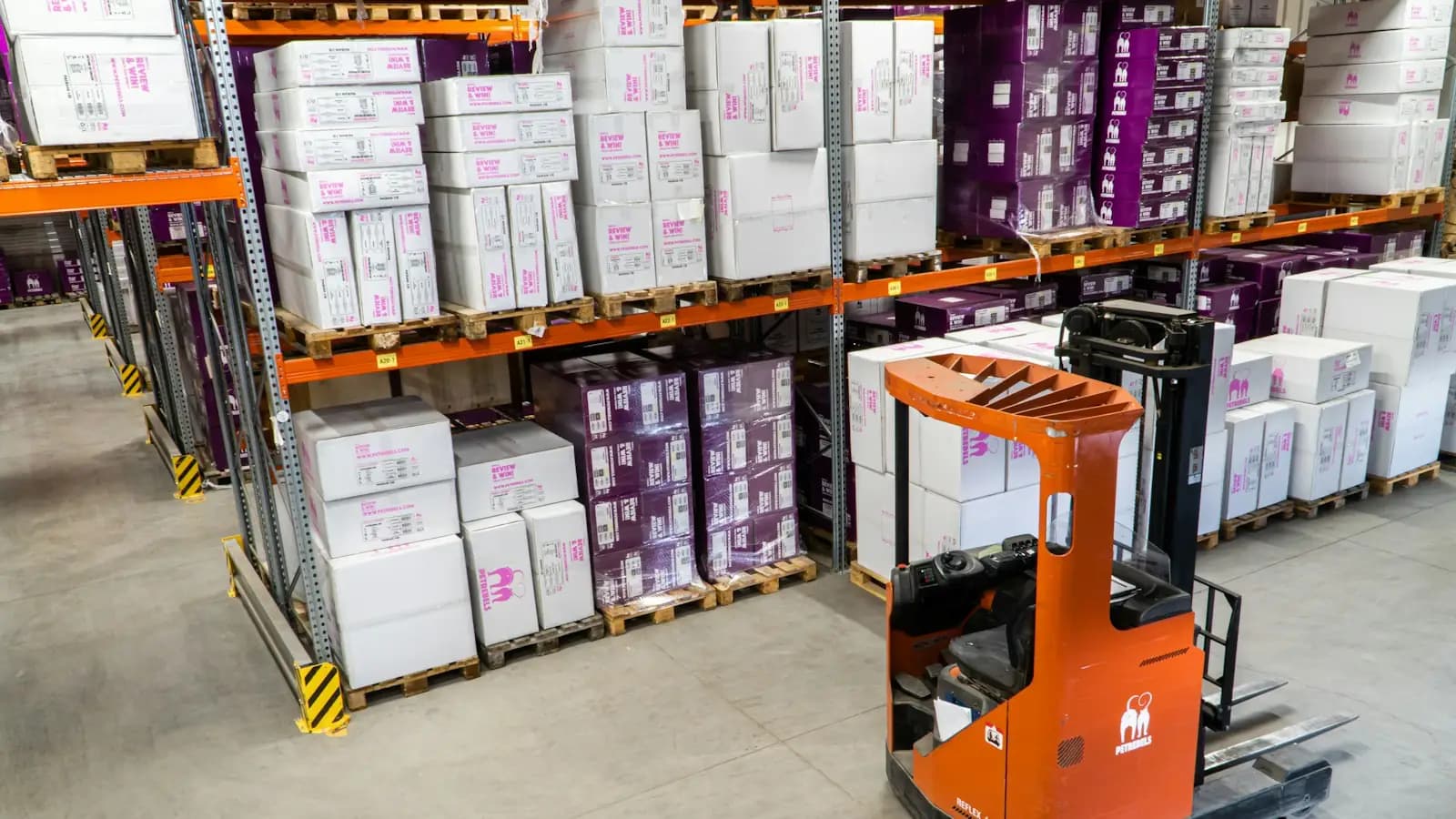
Warehouse accuracy and speed decide whether customers receive the right order on time, yet many distribution centres still run on paper pick lists, manual counts and a WMS configured years ago for a different business. Pickers walk further than they need to, stock records drift from what is physically on the shelves, and peak season exposes every workaround. Each error turns into a return, a credit or a lost customer.

As a warehouse management software development company, we build WMS platforms and scanning apps around how your building actually operates: how goods are received and put away, how waves and batches are picked, how orders are packed and despatched, and how counts, replenishment and returns are handled. Every product starts from that floor-level flow, whether you run one site, a multi-client 3PL or a network of fulfilment centres.

Integration is core scope. Our platforms exchange orders and stock with SAP, Oracle, NetSuite and Shopify, print carrier labels through DHL, FedEx, UPS, Aramex, Shippo or EasyPost, exchange EDI X12 and EDIFACT messages with retail partners and use GS1 barcodes and SSCC labels throughout, so inventory is accurate in every system the moment a scan happens. Partner onboarding is repeatable, so a new client or carrier is configuration rather than code.

Security, auditability and resilience are engineered in from the first sprint, with role-based access, immutable scan histories and GDPR-aligned handling of staff and customer data, plus ISO 28000 security practices where you need them. The outcome is custom warehouse management software that pickers find faster than paper, supervisors trust under pressure and finance can bill accurately, client by client. Documentation for audits is produced alongside the software.

Why warehouse management teams build with Creuto

Scan-driven workflows

Guided receiving, putaway, picking, packing and counting on rugged handhelds and phones, with barcode and RFID validation at every step so mistakes are caught on the spot.

Pick path and slotting optimisation

Wave, batch and zone picking with optimised paths and slotting suggestions based on velocity, so fast movers sit where pickers walk least.

Commerce, ERP and carrier integration

Orders and stock synchronised with SAP, NetSuite and Shopify, carrier labels and manifests through carrier APIs, and EDI with retail partners.

3PL multi-client billing

Per-client inventory, rules and service levels with activity-based billing for storage, handling and value-added services, ready for invoicing.

Automation orchestration

Task interfaces for conveyors, sorters, put walls and autonomous mobile robots, so people and machines work from the same task engine.

Go-live without stopping shipping

We migrate locations and stock, run parallel counts and cut over by zone or client so outbound volume holds throughout the transition.

0+

Products delivered

0+

Years of engineering

0%

Client satisfaction

0+

Industries served

0+

Countries with live products

WHAT WE BUILD

Warehouse Management software solutions we build.

Each one designed with your teams, integrated with the systems you already run, and engineered to scale.

RELATED AREAS

More Logistics & Supply Chain software we build

Other logistics & supply chain areas with a dedicated page.

TYPES OF SOLUTIONS

Types of warehouse management apps and software we develop.

The product categories warehouse management organisations most often ask us to build, from focused mobile apps to multi-tenant platforms.

  1. 01

    Custom warehouse management systems (WMS)

    Receiving, putaway, picking, packing, despatch and inventory control tailored to your processes and product types.

  2. 02

    3PL warehouse management platforms

    Multi-client WMS with per-client rules, portals and activity-based billing for logistics providers.

  3. 03

    Mobile barcode and RFID scanning apps

    Task-guided apps for rugged handhelds, wearables and phones that replace paper across warehouse processes.

  4. 04

    eCommerce fulfilment systems

    Order routing, wave planning, packing stations and carrier labels for high-volume direct-to-consumer operations.

  5. 05

    Inventory management software

    Multi-location stock, transfers, cycle counting and replenishment across warehouses, stores and channels.

  6. 06

    Yard and dock management tools

    Dock scheduling, trailer tracking and gate check-in to keep inbound and outbound flows moving.

  7. 07

    Warehouse labour management systems

    Task interleaving, engineered standards, productivity tracking and shift planning for warehouse teams.

  8. 08

    Returns management platforms

    Return authorisations, inspection, grading and restocking or disposal with refunds triggered automatically.

  9. 09

    Cold storage and regulated warehouse systems

    Batch, expiry and temperature control with FEFO picking for food, pharmaceutical and chemical goods.

KEY FEATURES

Must-have features of a warehouse management platform we build in.

Grouped by who uses them. Every feature below is one we have shipped to production, not a wishlist.

/01

Warehouse operator app

Built for gloves, scanners and long shifts.

  • Guided receiving against ASNs
  • Directed putaway with location checks
  • Wave, batch and zone picking
  • Pack station with weight and carton checks
  • Cycle counts and stock adjustments
  • Replenishment tasks
  • Returns inspection and grading
  • Offline mode with automatic sync
/02

Supervisor and planning console

Control of the floor in real time.

  • Order pool and wave planning
  • Live task queues by zone
  • Labour allocation and productivity
  • Slotting analysis and suggestions
  • Dock and appointment scheduling
  • Exception and short-pick handling
  • Carrier label and manifest management
  • Shift and throughput dashboards
/03

Admin and client portal

For warehouse managers, finance and 3PL clients.

  • Multi-site and multi-client setup
  • Location, SKU and unit-of-measure data
  • Client inventory and order visibility
  • Activity-based billing and invoices
  • Integration and EDI monitoring
  • Lot, batch and expiry traceability
  • Role-based access and audit logs
  • Accuracy and service level reports
CHALLENGES WE SOLVE

What holds warehouse management teams back.

The problems we most often help warehouse management organisations solve, and design every engagement around.

  1. 01

    Picking errors

    Wrong items or quantities shipped lead to returns, credits and lost customers, and paper-based checks cannot keep up at peak volumes.

  2. 02

    Inaccurate stock

    Stock records drift from what is on the shelves, so orders are promised against inventory that does not exist and urgent counts disrupt operations.

  3. 03

    Inefficient layout and travel

    Poor slotting and unoptimised pick paths add walking time to every order, which compounds into significant labour cost across a shift.

  4. 04

    Peak season pressure

    Volume spikes expose manual processes, temporary staff need fast training, and systems built for average days slow down when they are needed most.

  5. 05

    Multi-client complexity

    3PLs juggle different client rules, SKUs and billing models, often in spreadsheets that make accurate invoicing slow and disputed. Revenue leaks with every missed activity.

SELECTED WORK

Products we have shipped. Results we can point to.

Real products designed and engineered by Creuto end to end, with the operational depth logistics & supply chain and warehouse management projects demand.

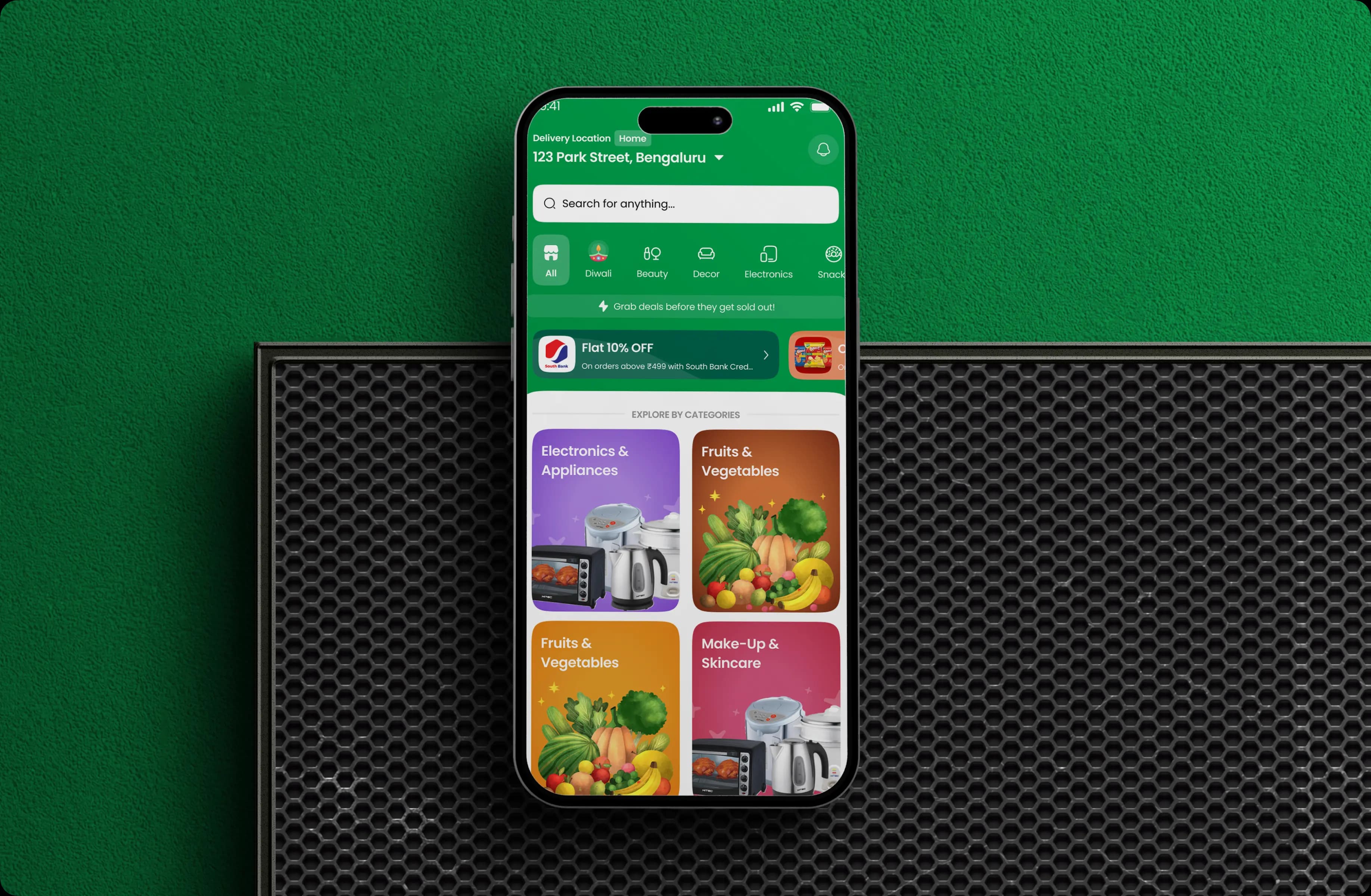
Quick Commerce & Instant Delivery Platform – FlashNow
/01 · Quick Commerce

Quick Commerce & Instant Delivery Platform – FlashNow

A full-stack quick commerce platform — consumer mobile app, vendor management dashboard, and super admin control panel — designed and delivered by Creuto from scratch.

10–30 min

Minute Delivery

4

Platform Roles

3

Platforms Delivered

View Case Study
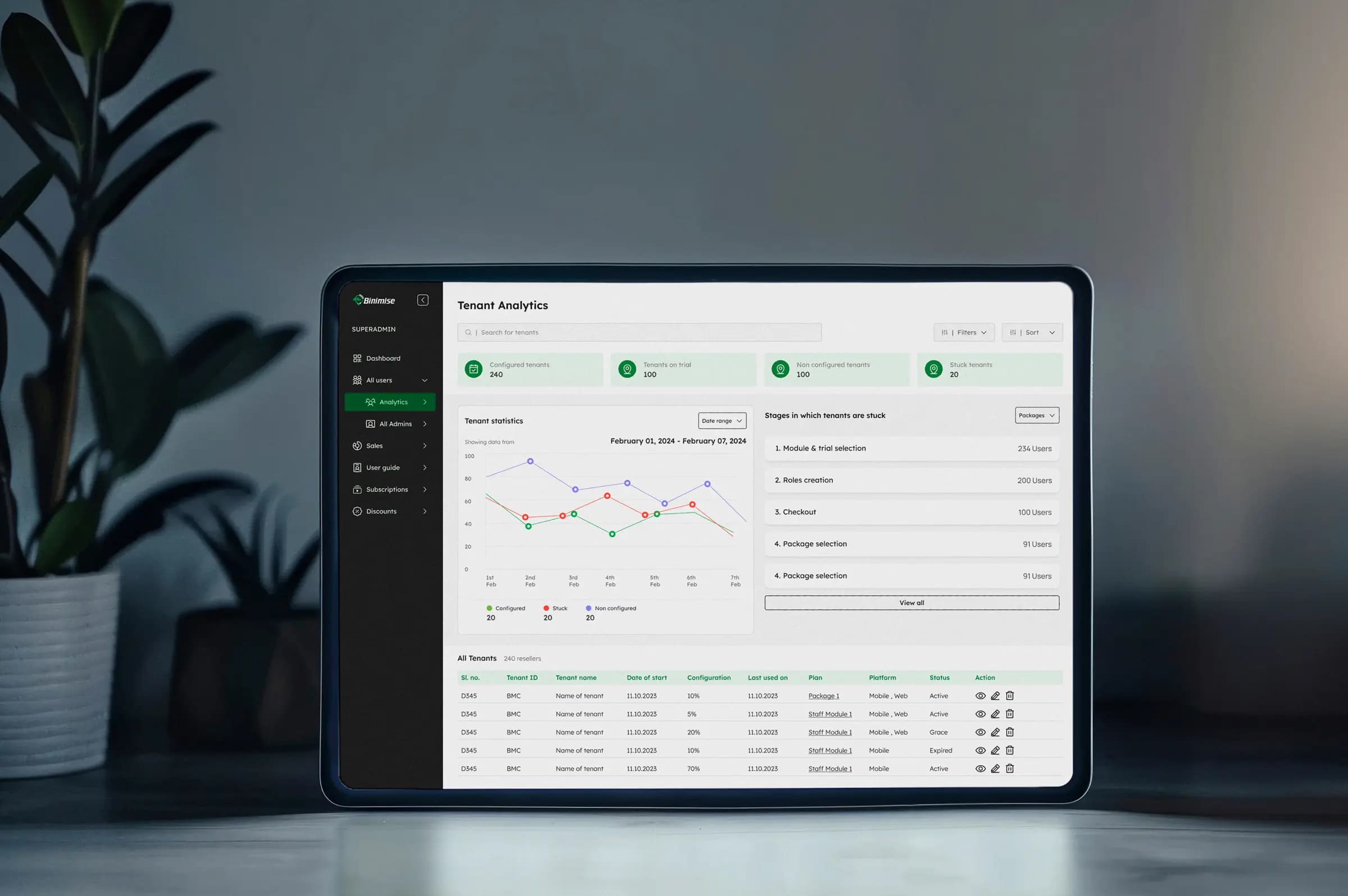
IoT Smart City Platform for Binimise
/02 · Smart City / IoT

IoT Smart City Platform for Binimise

A cloud-native, IoT-powered smart city platform — web command dashboard, citizen mobile app, field staff app, and full IoT integration designed and delivered by Creuto from the ground up.

10

Integrated Modules

25–30%

Reduction in Vehicle Trips

4

Platforms Delivered

View Case Study
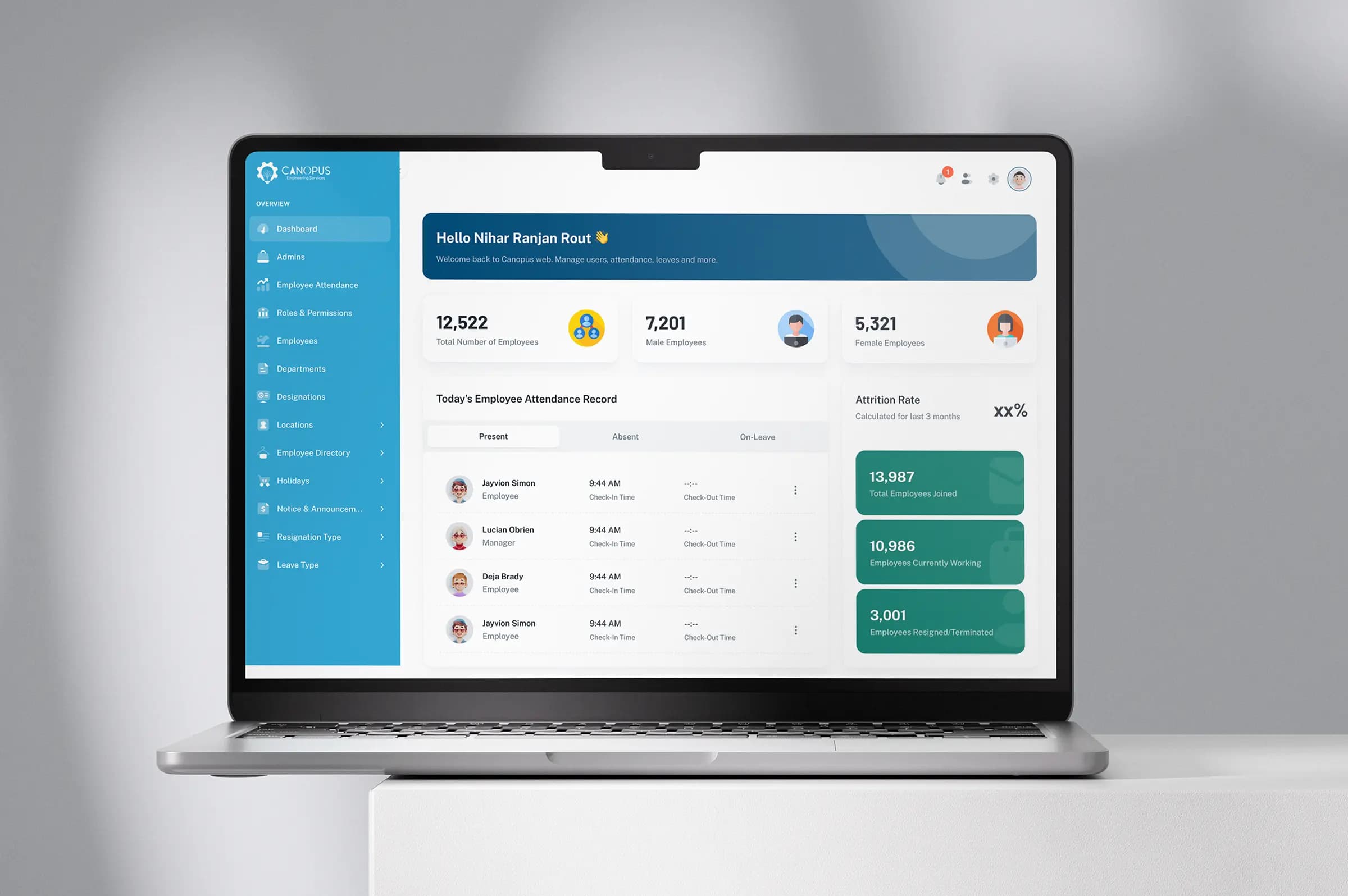
Custom Cloud ERP for Large-Scale Industrial Operations
/03 · Enterprise ERP

Custom Cloud ERP for Large-Scale Industrial Operations

A fully custom, browser-based ERP system built to unify every department, eliminate silos, and scale with the business — designed and delivered by Creuto end to end.

4

Departments Unified

1

Source of Truth

100%

Browser-Based Access

View Case Study
COMPLIANCE AND SECURITY

Compliance and security, designed in.

The warehouse management standards we build against and the controls behind them. Your compliance team keeps ownership; we make the software easy to certify.

Warehouse regulations and standards we build for

  • GDPR and UK GDPR for staff and customer data
  • ISO 28000 supply chain security management
  • C-TPAT and AEO requirements for bonded and trusted-trader sites
  • Good Distribution Practice records for pharmaceuticals
  • FSMA traceability for food (United States)
  • UAE PDPL and India DPDP Act
  • ISO/IEC 27001 aligned controls

Industry standards and formats

  • GS1 GTIN, GLN and SSCC labels
  • GS1-128 and DataMatrix barcodes
  • EDI X12 (940, 945, 856) and EDIFACT (DESADV)
  • RFID tags to GS1 EPC standards
  • Carrier label and manifest specifications
  • Dangerous goods storage and labelling data

Security controls

  • Encryption in transit and at rest
  • Role-based access by site and client
  • Immutable scan and adjustment history
  • Mobile device management for handhelds
  • Segregation of duties for adjustments
  • Penetration testing before launch

Platform quality

  • Load testing for peak season volumes
  • Offline sync and device matrix testing
  • Automated regression testing
  • Accessibility to WCAG 2.2 AA
  • 24/7 monitoring and failover
INTEGRATIONS

Warehouse Management integrations we connect.

The platforms, standards and third-party services a product in this sector usually has to talk to. If yours is not listed, it is almost certainly something we have connected before.

/01ERP and commerce

  • SAP
  • Oracle
  • NetSuite
  • Microsoft Dynamics 365
  • Shopify
  • Magento
  • Amazon and marketplace seller APIs

/02Carriers and shipping

  • DHL
  • FedEx
  • UPS
  • Aramex
  • Shippo
  • EasyPost
  • EDI X12 and EDIFACT partners

/03Devices and automation

  • Zebra handhelds and printers
  • Honeywell scanners
  • RFID readers
  • Weighing scales and dimensioners
  • Conveyor and sorter controllers
  • Autonomous mobile robot fleets

/04Business and messaging

  • TMS platforms
  • Accounting and invoicing systems
  • Twilio
  • Microsoft Teams and Slack
  • Stripe
WHY CREUTO

Why choose Creuto as your warehouse management software development company

The reasons clients in this sector give when they recommend us, not the ones we would pick ourselves.

Either we build it exceptional, or we don't.

The standard every warehouse management product leaves our studio with.

0+

Products delivered

0+

Years of engineering

0%

Client satisfaction

Start a conversation
  1. /01

    We design for the warehouse floor

    Screens are built for scanners, gloves and speed, because a WMS that slows pickers down gets worked around.

  2. /02

    Integration depth

    ERP, commerce, carrier and EDI connections are part of the first release, so stock is right everywhere from day one.

  3. /03

    3PL experience

    Multi-client rules and activity-based billing are designed into the data model rather than added later.

  4. /04

    Automation-ready architecture

    A task engine that can direct people today and robots tomorrow without rebuilding the core.

  5. /05

    A long-term engineering partner

    We support peak seasons, add new clients and sites and keep integrations current as your operation grows.

BENEFITS

Benefits of custom warehouse management software over off-the-shelf tools.

What organisations in this sector gain when the software is built around their workflows rather than the other way around.

  1. 01

    Higher order accuracy

    Scan validation at each step catches errors before goods leave the building.

  2. 02

    Faster picking

    Optimised paths, batching and slotting reduce walking time per order.

  3. 03

    Inventory you can trust

    Real-time stock and cycle counting keep records aligned with the shelves without full shutdowns.

  4. 04

    Quicker onboarding

    Guided tasks mean temporary staff become productive in hours rather than weeks.

  5. 05

    Accurate client billing

    Activity-based billing captured from scans removes disputes and speeds up invoicing for 3PLs.

  6. 06

    Room to grow

    Multi-site and automation-ready design supports new buildings and new technology without a replacement project.

HOW WE WORK

Our warehouse management software development process.

Transparent, sprint-based and built around decisions you can see. You know what ships, when, and why at every step.

Start Your Project
  1. 01

    Floor discovery

    We walk the building with supervisors and pickers, time key processes and agree the accuracy, throughput and labour outcomes the WMS must improve.

  2. 02

    Architecture and compliance plan

    Location model, unit-of-measure rules, integrations, devices, hosting and the regulatory scope for your goods are documented before design.

  3. 03

    Design and floor validation

    Scanner screens are tested on the actual devices, with gloves, under warehouse lighting and with new starters as well as experienced staff.

  4. 04

    Agile engineering

    Two-week sprints with working software reviewed by operations leads. ERP, commerce and carrier integrations are built against test environments early.

  5. 05

    Integration, QA and hardening

    Volume tests at peak-season levels, label and EDI conformance checks, device testing and a penetration test before go-live.

  6. 06

    Zone-by-zone go-live and growth

    Cut over by zone, client or site with parallel counts and on-floor support, then improve with throughput and accuracy data.

TECHNOLOGY STACK

Technology stack for warehouse management software development.

Chosen per project for longevity, hiring depth and fit with your existing systems, never by fashion.

/01Mobile

  • Kotlin
  • Flutter
  • React Native
  • Android Enterprise for rugged devices
  • Zebra DataWedge

/02Web and backend

  • React
  • Next.js
  • TypeScript
  • Node.js
  • NestJS
  • Java
  • Spring Boot
  • .NET

/03Integration and events

  • Kafka
  • RabbitMQ
  • REST
  • Webhooks
  • AS2 and SFTP gateways
  • OPC UA for automation

/04Data

  • PostgreSQL
  • Redis
  • Elasticsearch
  • ClickHouse
  • BigQuery
  • Snowflake

/05Cloud and DevOps

  • AWS
  • Azure
  • Google Cloud
  • Docker
  • Kubernetes
  • Terraform
  • GitHub Actions

/06AI and optimisation

  • Claude
  • OpenAI
  • Scikit-learn
  • PyTorch
  • OR-Tools
  • LangChain

/07Security and identity

  • OAuth 2.0
  • OpenID Connect
  • SAML
  • Keycloak
  • Auth0
  • AWS KMS
  • Vault

AI IN WAREHOUSE MANAGEMENT

AI that slots, plans and keeps orders on time.

We add AI to warehouse software where it improves throughput or accuracy: slotting from demand forecasts, labour plans sized to expected volume and anomaly alerts that catch stock problems early, with supervisor control over every recommendation.

Explore our AI engineering
  • Demand-based slotting recommendations
  • Labour and shift forecasting by hour
  • Wave and batch optimisation
  • Stock anomaly and shrinkage detection
  • Document extraction for ASNs and delivery notes
  • Assistants for supervisors in plain language
TRENDS

Trends shaping warehouse management software right now.

The shifts we design for so a product launched this year is still the right product in three.

  1. 01

    Warehouse robotics

    Autonomous mobile robots, goods-to-person systems and automated storage are becoming accessible to mid-sized operations, and they need a WMS that orchestrates them.

  2. 02

    AI-driven slotting and labour planning

    Machine learning predicts demand by SKU and hour, informing slotting, wave planning and shift sizes.

  3. 03

    Faster fulfilment expectations

    Same-day and next-day promises push cut-off times later and require real-time order release and carrier selection.

  4. 04

    Composable WMS architecture

    Operators are replacing monolithic systems with modular, API-first services that integrate with commerce and automation more easily.

  5. 05

    Traceability and returns

    Regulated goods and rising return volumes make lot tracking, grading and restocking core WMS functions.

COST AND TIMELINE

How much does warehouse management software development cost?

There is no honest single number. Scope, integrations and compliance drive the budget, so we price against a written scope after discovery. The factors below are what move it.

  1. 01

    Process scope

    Receiving, picking and despatch alone is smaller than adding labour, yard, returns and billing modules.

  2. 02

    Number of sites and clients

    Multi-site and multi-client 3PL operations add configuration, permissions and billing logic.

  3. 03

    Integrations

    Each ERP, storefront, marketplace, carrier and EDI partner adds mapping and testing.

  4. 04

    Devices and automation

    Scanners, printers, scales and automation equipment each need integration and floor testing.

  5. 05

    Data migration

    Locations, SKUs, stock and open orders must move accurately from the current system.

  6. 06

    Regulated goods

    Batch, expiry, temperature and dangerous goods rules add data model and validation effort.

EngagementTypical scopeTimeline
Validation MVPReceiving, putaway, picking and despatch for one site, scanning app, one commerce or ERP integration.10 to 14 weeks
Production WMSFull warehouse processes, carrier labels, cycle counting, returns, supervisor console and integrations.4 to 7 months
Multi-site or 3PL platformMultiple warehouses and clients, activity-based billing, labour management and automation interfaces.8 to 14 months, phased
BUSINESS MODELS

How warehouse management products make money.

Revenue models we have built billing, reporting and growth loops for. Most products combine two or three.

  1. 01

    Per-site or per-user subscriptions

    Monthly fees for WMS software sold to warehouse operators.

  2. 02

    Per-order or per-transaction pricing

    Usage-based fees that scale with fulfilment volume.

  3. 03

    3PL client billing

    The platform's activity-based billing becomes the 3PL's own revenue engine for storage and handling.

  4. 04

    Enterprise licensing

    Annual licences with implementation and support for large distribution networks.

  5. 05

    Add-on modules

    Labour management, yard, returns and analytics sold as paid extensions.

HOW WE DELIVER

Services behind our warehouse management work

The engineering disciplines every project in this sector draws on. Each has its own page with process, stack and FAQs.

TESTIMONIALS

Don't take our word for it.

Founders and product leaders on what it is like to build with Creuto.

“Their services were excellent.”

Creuto delivered a web and mobile app that exceeded the client's expectations. The team was highly responsive and punctual from a workflow standpoint, and internal stakeholders praised the service provider's collaborative nature and agility.

ER

Emma Richardson

CEO, Emion

Read on Clutch

More client voices

/01 of 06

on Clutch
FAQ

Frequently Asked Questions

Straight answers about warehouse management software projects. If yours is not here, ask us directly.

Ask our warehouse management team

It depends on the processes in scope, the number of sites and clients, the ERP, commerce, carrier and EDI integrations, the devices and automation to connect and the data to migrate. A single-site MVP is a materially smaller investment than a multi-client 3PL platform. After discovery we provide a fixed-scope proposal with a clear breakdown.

A validation MVP covering receiving, picking and despatch for one site typically takes 10 to 14 weeks. A production WMS with returns, counting, carrier labels and a supervisor console usually takes four to seven months. Multi-site or 3PL platforms with billing and automation interfaces are delivered in phases over eight to fourteen months.

We build around GS1 identifiers and SSCC labels, EDI X12 and EDIFACT warehouse messages, GDPR for staff and customer data, ISO 28000 security practices and C-TPAT or AEO requirements where relevant. For regulated goods we add batch, expiry and temperature records for Good Distribution Practice and FSMA traceability.

Yes. We integrate with Shopify, Magento and marketplaces, with SAP, Oracle, NetSuite and Dynamics 365, and with DHL, FedEx, UPS and Aramex directly or through Shippo and EasyPost. Retail partners connect through EDI, so orders, stock and shipment updates stay synchronised.

App development usually means the scanning app used on the floor. Warehouse management software development covers the whole WMS: the operator apps plus the inventory engine, task management, integrations, billing and reporting behind them. We deliver both as one connected product.

Yes. We build apps for Zebra and Honeywell rugged handhelds, ring scanners, phones and fixed or handheld RFID readers, and integrate label printers, scales and dimensioners so every task is captured at the point of work without manual entry. Device management is supported.

Yes. We build multi-client WMS platforms with per-client rules, inventory segregation, client portals and activity-based billing for storage, handling and value-added services, so each client sees its own stock and invoices are generated from the work actually performed. Rates are configurable per client.

Yes. We design the task engine to issue work to people and machines alike and integrate with conveyors, sorters, put walls and autonomous mobile robots through their control interfaces, so automation can be added zone by zone without replacing the WMS.

LET'S BUILD

Planning a warehouse management product? Let's scope it together.

Tell us what you are building. We will help you scope it, design it, and ship it, with a senior team accountable end to end.

  • Reply within one business day
  • NDA on request
  • Senior engineers only
  • Fixed scope, no surprises