Creuto is now an OpenAI Select Partner Read More

Logistics & Supply Chain · Specialisation

Supply Chain Software Development Services

See and Respond to Your Whole Supply Chain.

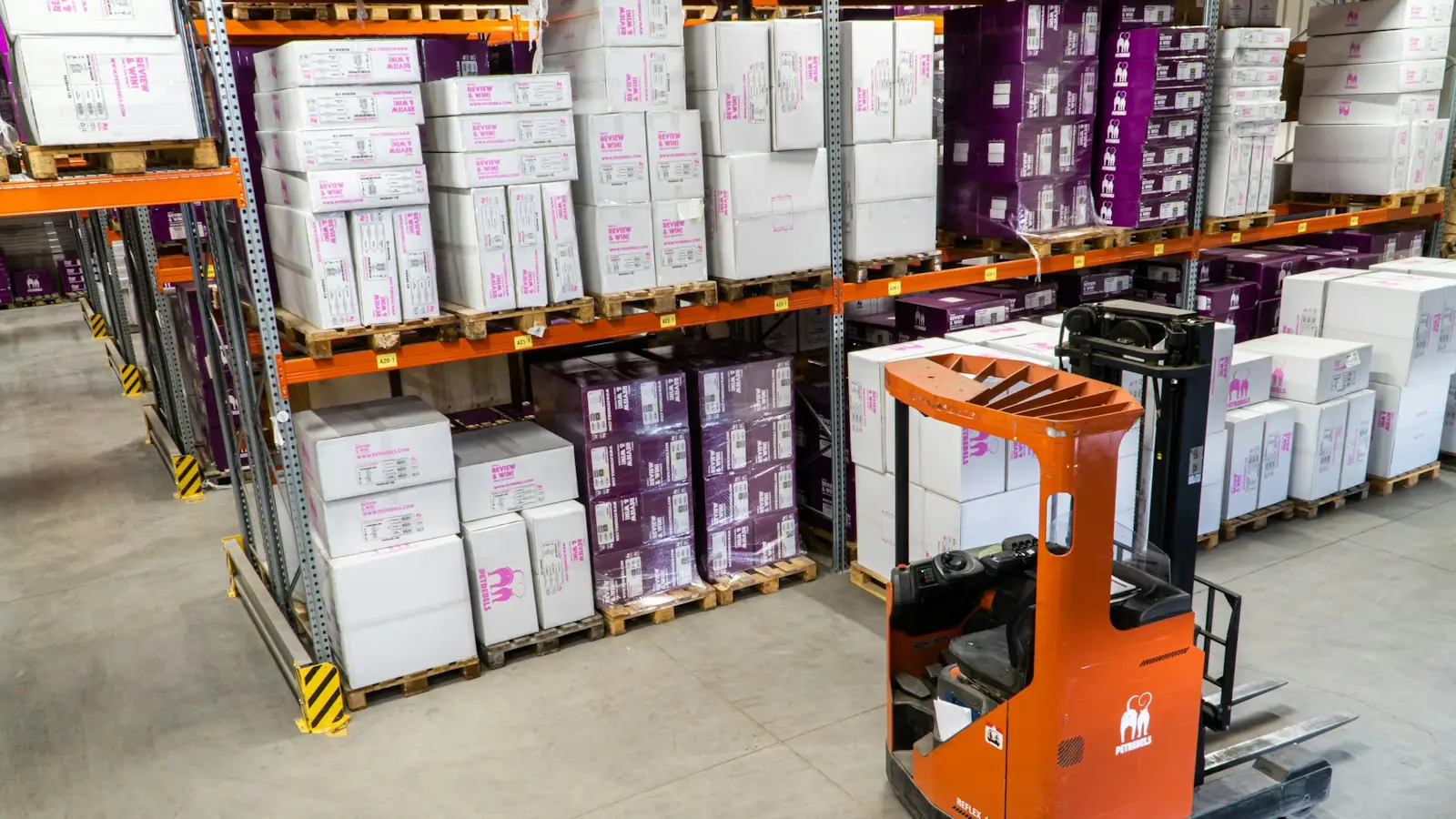
We build supply chain software for manufacturers, distributors, and retailers, including procurement, demand planning, supplier collaboration, and end-to-end visibility, so you can anticipate disruption instead of reacting to it.

  • EDI, GS1 and ISO 28000 aware architecture
  • SAP, Oracle and NetSuite integration experience
  • Senior-only engineering team

Plan your supply chain management project

Tell us what you want to build. A senior engineer, not a sales script, replies within one business day.

What's your budget range?

Your idea is protected. NDA available on request.

Trusted by teams building what's next

  • Creuto client 1
  • Creuto client 2
  • Creuto client 3
  • Creuto client 4
  • Creuto client 5
  • Creuto client 6
  • Creuto client 7
  • Creuto client 8
  • Creuto client 9
  • Creuto client 10
  • Creuto client 11
  • Creuto client 12
  • Creuto client 13
  • Creuto client 14
OVERVIEW

Software shaped around how supply chain management really works.

Global supply chains face constant disruption from demand shifts, supplier failures, port congestion and transport delays. For most organisations, visibility stops at their own four walls: purchase orders go out by email, confirmations come back in spreadsheets, and the first sign of a late shipment is an empty shelf. Planning teams spend their week chasing updates instead of acting on them, and inventory is held as insurance against information they do not have.

As a supply chain software development company, we build procurement, planning, supplier collaboration and visibility platforms around the way goods and information actually move: how demand is sensed, how orders are raised and approved, how suppliers confirm and ship, and how inbound stock is received across sites. Every product starts from that flow and from the partners, from contract manufacturers to freight forwarders, that sit inside it.

Integration is treated as core scope. Our platforms exchange orders, forecasts, advance shipping notices and invoices with ERPs such as SAP, Oracle and NetSuite, with suppliers through portals or EDI X12 and EDIFACT, with carriers and forwarders through their APIs, and with GS1 identifiers for products, cases and pallets, so planners work from one shared, current picture rather than reconciled extracts.

Security, data quality and auditability are engineered in from the first sprint to support GDPR, ISO 28000 supply chain security, C-TPAT and AEO trusted trader programmes and the data residency rules of the markets you source from and sell into. The outcome is custom supply chain software that planners trust, suppliers adopt and finance can reconcile, from forecast to receipt.


Why supply chain management teams build with Creuto

Network and flow mapping

We map suppliers, sites, modes and lead times with your planning and procurement teams before we design, so the platform reflects the network you actually run.

ERP and EDI integration

Bidirectional integration with SAP, Oracle, NetSuite and Dynamics 365, plus EDI X12 and EDIFACT exchanges with suppliers and forwarders, including partners limited to flat files.

Forecasting and optimisation

Demand forecasting, safety stock and reorder point models built on your history and external signals, with planner override and explainable outputs.

Supplier collaboration portals

Secure, role-based portals where suppliers confirm orders, update ship dates, upload documents and see scorecards, reducing email chasing for everyone.

IoT and cold chain telemetry

Ingestion of temperature, humidity, shock and location data from sensors and carriers, with excursion alerts and compliance reports for regulated goods.

Rollout without stopping supply

We migrate master data, run parallel planning cycles and onboard suppliers in waves so purchasing and inbound operations never pause.

0+

Products delivered

0+

Years of engineering

0%

Client satisfaction

0+

Industries served

0+

Countries with live products

WHAT WE BUILD

Supply Chain Management software solutions we build.

Each one designed with your teams, integrated with the systems you already run, and engineered to scale.

RELATED AREAS

More Logistics & Supply Chain software we build

Other logistics & supply chain areas with a dedicated page.

TYPES OF SOLUTIONS

Types of supply chain management apps and software we develop.

The product categories supply chain management organisations most often ask us to build, from focused mobile apps to multi-tenant platforms.

  1. 01

    Supply chain control towers

    One view of purchase orders, inbound shipments, stock and exceptions across suppliers, carriers and sites, with alerts that reach the right planner.

  2. 02

    Procurement and purchase-to-pay platforms

    Requisitions, approval workflows, purchase orders, goods receipt and three-way invoice matching integrated with your ERP.

  3. 03

    Supplier portals and collaboration hubs

    Order confirmations, ship-date updates, advance shipping notices, documents and scorecards shared with suppliers in one secure place.

  4. 04

    Demand planning and forecasting software

    Statistical and machine learning forecasts by SKU, location and channel, with promotions, seasonality and planner adjustments.

  5. 05

    Inventory optimisation tools

    Safety stock, reorder points and multi-echelon replenishment that balance service levels against working capital.

  6. 06

    Supplier risk and compliance platforms

    Onboarding, due diligence, certificates, audits and risk scoring for every supplier in the network.

  7. 07

    Traceability and batch tracking systems

    Lot, batch and serial tracking from raw material to customer using GS1 identifiers, with recall support.

  8. 08

    Cold chain monitoring platforms

    Sensor data, excursion alerts and compliance reports for pharmaceuticals, food and other temperature-sensitive goods.

  9. 09

    Sales and operations planning (S&OP) tools

    Shared demand, supply and financial plans with scenario modelling for monthly planning cycles.

KEY FEATURES

Must-have features of a supply chain management platform we build in.

Grouped by who uses them. Every feature below is one we have shipped to production, not a wishlist.

/01

Supplier and partner portal

What suppliers, forwarders and 3PLs use.

  • Purchase order confirmation and changes
  • Ship-date and capacity updates
  • Advance shipping notice creation
  • Document and certificate upload
  • Invoice submission and status
  • Performance scorecards
  • Onboarding and compliance questionnaires
  • EDI or API connection for larger suppliers
/02

Planner and buyer workspace

Built for people who make the daily decisions.

  • Demand forecasts with planner overrides
  • Replenishment and reorder suggestions
  • Requisition and approval workflows
  • Inbound shipment tracking with predictive ETAs
  • Exception queue with suggested actions
  • Supplier comparison and sourcing events
  • Scenario planning for disruptions
  • Collaborative notes and task assignment
/03

Control tower and admin console

Oversight for supply chain and finance leads.

  • Network map of suppliers, sites and lanes
  • Inventory positions across locations
  • Spend analytics by supplier and category
  • Lot and batch traceability search
  • Integration and EDI message monitoring
  • Role and tenant management
  • Audit logs and approval history
  • Service level and cost dashboards
CHALLENGES WE SOLVE

What holds supply chain management teams back.

The problems we most often help supply chain management organisations solve, and design every engagement around.

  1. 01

    Poor supplier visibility

    Upstream delays are discovered when goods fail to arrive rather than when a supplier first slips, leaving no time to expedite or re-source.

  2. 02

    Demand volatility

    Forecasts built on spreadsheets miss seasonality, promotions and market signals, so stockouts and excess inventory coexist across the same network.

  3. 03

    Manual procurement

    Purchase requests, approvals and supplier orders run on email and spreadsheets, with no audit trail and little control over spend.

  4. 04

    Disconnected systems and partners

    ERP, WMS, TMS and supplier systems hold different versions of the truth, and every manual reconciliation introduces delay and error.

  5. 05

    Compliance and traceability

    Customers and regulators expect lot-level traceability, supplier due diligence and cold chain evidence that paper records cannot provide. Gaps surface during audits and recalls.

SELECTED WORK

Products we have shipped. Results we can point to.

Real products designed and engineered by Creuto end to end, with the operational depth logistics & supply chain and supply chain management projects demand.

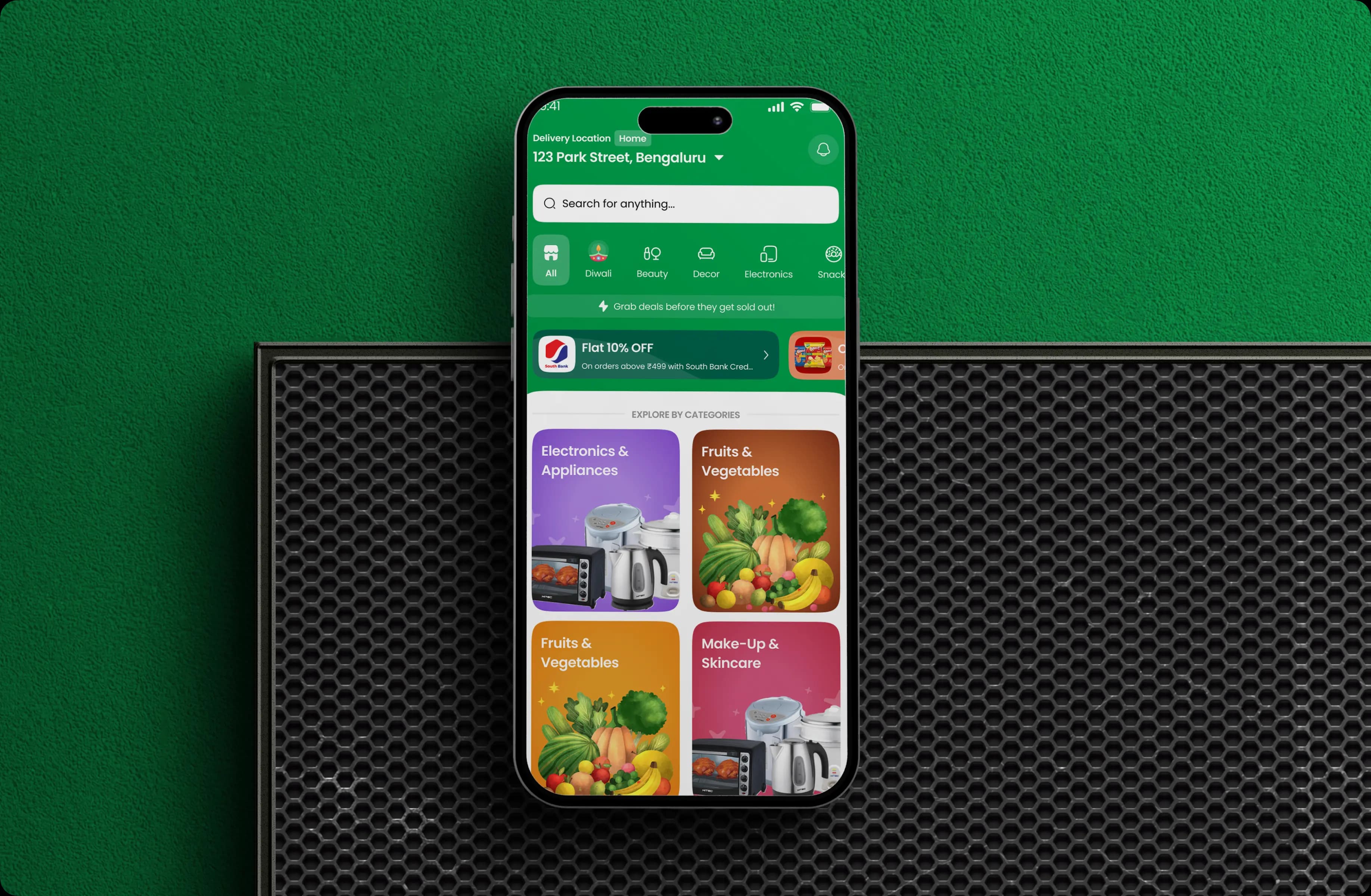
Quick Commerce & Instant Delivery Platform – FlashNow
/01 · Quick Commerce

Quick Commerce & Instant Delivery Platform – FlashNow

A full-stack quick commerce platform — consumer mobile app, vendor management dashboard, and super admin control panel — designed and delivered by Creuto from scratch.

10–30 min

Minute Delivery

4

Platform Roles

3

Platforms Delivered

View Case Study
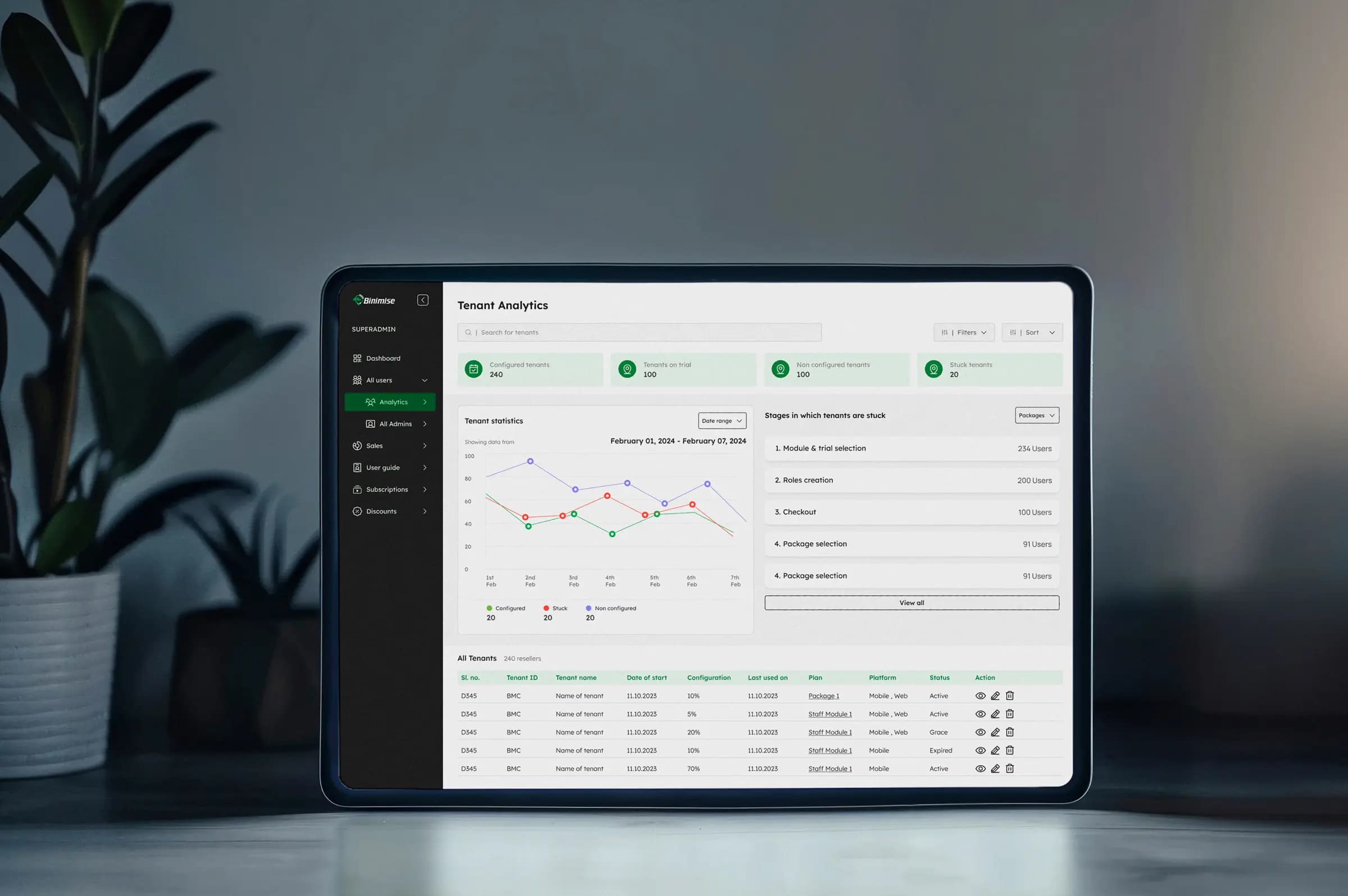
IoT Smart City Platform for Binimise
/02 · Smart City / IoT

IoT Smart City Platform for Binimise

A cloud-native, IoT-powered smart city platform — web command dashboard, citizen mobile app, field staff app, and full IoT integration designed and delivered by Creuto from the ground up.

10

Integrated Modules

25–30%

Reduction in Vehicle Trips

4

Platforms Delivered

View Case Study
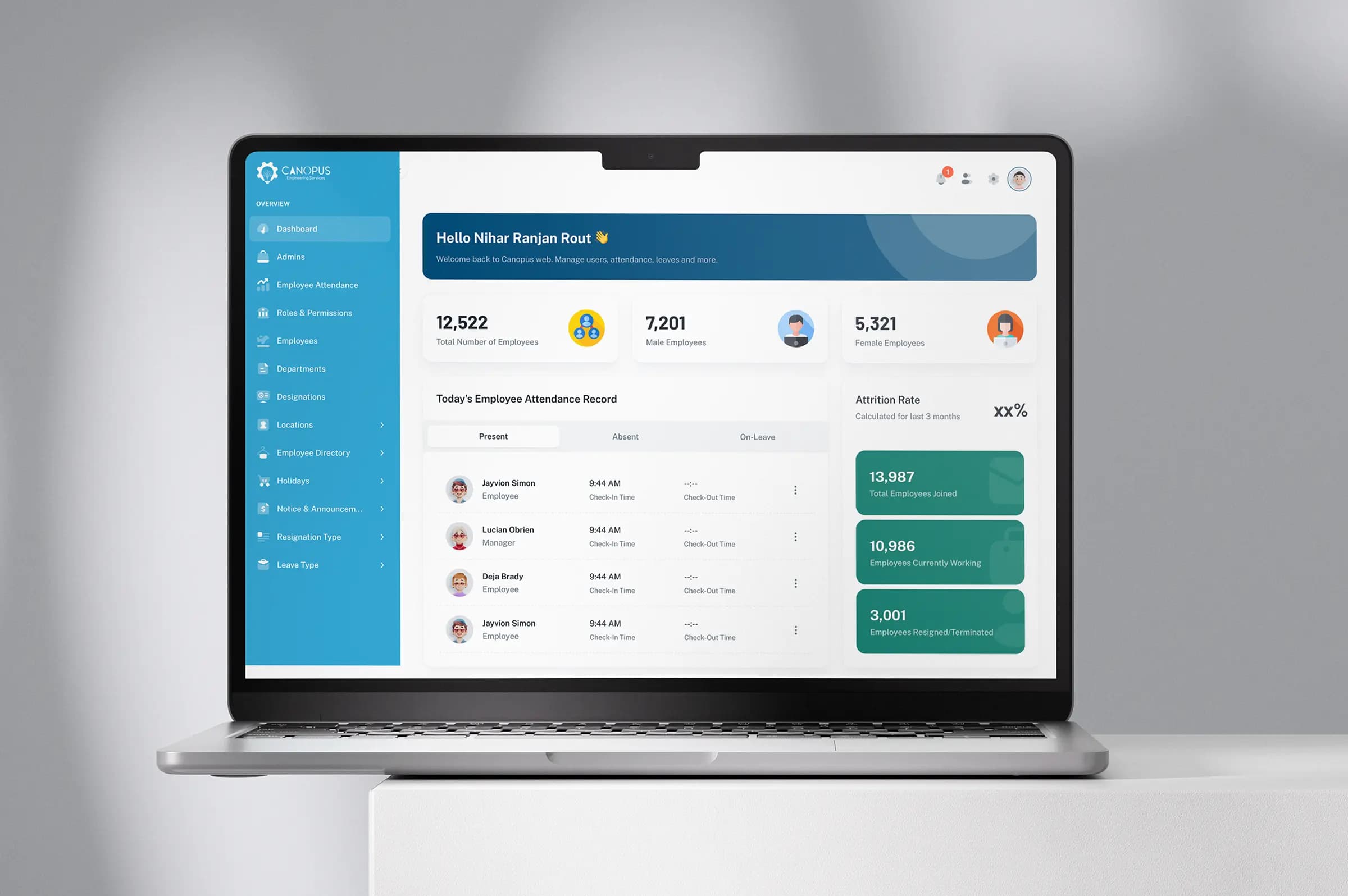
Custom Cloud ERP for Large-Scale Industrial Operations
/03 · Enterprise ERP

Custom Cloud ERP for Large-Scale Industrial Operations

A fully custom, browser-based ERP system built to unify every department, eliminate silos, and scale with the business — designed and delivered by Creuto end to end.

4

Departments Unified

1

Source of Truth

100%

Browser-Based Access

View Case Study
COMPLIANCE AND SECURITY

Compliance and security, designed in.

The supply chain management standards we build against and the controls behind them. Your compliance team keeps ownership; we make the software easy to certify.

Supply chain regulations we build for

  • GDPR and UK GDPR for supplier and contact data
  • ISO 28000 supply chain security management
  • C-TPAT and AEO trusted trader programmes
  • Supply chain due diligence rules in the EU and Germany
  • FSMA traceability records for food (United States)
  • UAE PDPL and India DPDP Act
  • ISO/IEC 27001 aligned controls

Industry standards and formats

  • EDI X12 (850, 855, 856, 810) and EDIFACT (ORDERS, DESADV, INVOIC)
  • GS1 GTIN, GLN and SSCC identifiers
  • GS1 EPCIS for traceability events
  • Incoterms in order and shipment data
  • ISO 8000 data quality principles
  • Customs and trade document formats

Security controls

  • Encryption in transit and at rest
  • Tenant isolation for supplier data
  • Single sign-on and multi-factor authentication
  • Segregation of duties in approvals
  • Immutable audit trails
  • Penetration testing before launch

Platform quality

  • Load testing for planning runs and peak periods
  • Automated regression testing
  • EDI conformance testing with partners
  • Accessibility to WCAG 2.2 AA
  • 24/7 monitoring and alerting
INTEGRATIONS

Supply Chain Management integrations we connect.

The platforms, standards and third-party services a product in this sector usually has to talk to. If yours is not listed, it is almost certainly something we have connected before.

/01ERP and planning systems

  • SAP S/4HANA and SAP ECC
  • Oracle
  • NetSuite
  • Microsoft Dynamics 365
  • Odoo
  • Existing planning tools via API or file

/02Suppliers and EDI

  • EDI X12 and EDIFACT via AS2 or SFTP
  • EDI value-added networks
  • Supplier APIs
  • Coupa and procurement suites
  • GS1 data pools

/03Logistics and visibility

  • DHL
  • FedEx
  • UPS
  • Aramex
  • Freight forwarder APIs
  • Ocean and air tracking providers
  • WMS and TMS platforms

/04Commerce, IoT and messaging

  • Shopify
  • Marketplace seller APIs
  • Temperature and location sensors
  • Samsara
  • Twilio
  • Microsoft Teams and Slack
WHY CREUTO

Why choose Creuto as your supply chain management software development company

The reasons clients in this sector give when they recommend us, not the ones we would pick ourselves.

Either we build it exceptional, or we don't.

The standard every supply chain management product leaves our studio with.

0+

Products delivered

0+

Years of engineering

0%

Client satisfaction

Start a conversation
  1. /01

    We understand planning and procurement

    Discovery is led by people who know lead times, safety stock, three-way matching and ASNs, so requirements are right the first time.

  2. /02

    Integration is core scope

    SAP, Oracle, NetSuite and EDI work is something we do routinely, including suppliers that can only send spreadsheets.

  3. /03

    Supplier adoption by design

    Portals are simple enough for small suppliers to use without training, with EDI and API options for larger partners.

  4. /04

    Explainable forecasting

    Planners see why a forecast or reorder suggestion was made and can override it, with every override feeding the next model run.

  5. /05

    A long-term engineering partner

    We stay on to onboard suppliers, maintain integrations and evolve models as your network, products and markets change.

BENEFITS

Benefits of custom supply chain management software over off-the-shelf tools.

What organisations in this sector gain when the software is built around their workflows rather than the other way around.

  1. 01

    Earlier warning of disruption

    Supplier and shipment exceptions surface when they happen, giving teams time to expedite, re-source or reallocate stock.

  2. 02

    Less inventory held as insurance

    Better forecasts and replenishment logic let you hold the stock you need rather than the stock you fear needing.

  3. 03

    Faster, controlled purchasing

    Digital requisitions, approvals and supplier orders cut cycle times and give finance a full audit trail.

  4. 04

    Stronger supplier relationships

    Shared data and clear scorecards replace email chasing with a single version of commitments and performance.

  5. 05

    Traceability on demand

    Lot-level history answers customer, auditor and recall questions in minutes rather than days.

  6. 06

    Better planning decisions

    Scenario modelling and live dashboards replace spreadsheet reconciliation in planning meetings.

HOW WE WORK

Our supply chain management software development process.

Transparent, sprint-based and built around decisions you can see. You know what ships, when, and why at every step.

Start Your Project
  1. 01

    Network discovery

    We map suppliers, sites, lead times and planning cycles with procurement and planning teams, and agree the service, inventory and cost outcomes the software must move.

  2. 02

    Architecture and compliance plan

    Master data model, ERP and EDI integrations, supplier access, hosting region and the regulations in scope are documented before design starts.

  3. 03

    Design and user validation

    Prototypes are tested with planners, buyers and a sample of suppliers, so portals get adopted rather than bypassed by email.

  4. 04

    Agile engineering

    Two-week sprints with working software reviewed by your planning leads. ERP and EDI integrations are built against test environments early.

  5. 05

    Integration, QA and hardening

    EDI conformance tests with partners, forecast accuracy checks on historical data, load testing and a penetration test before go-live.

  6. 06

    Phased rollout and supplier onboarding

    Launch with one category or region, onboard suppliers in waves, then expand with monitoring and a roadmap driven by service and inventory data.

TECHNOLOGY STACK

Technology stack for supply chain management software development.

Chosen per project for longevity, hiring depth and fit with your existing systems, never by fashion.

/01Mobile

  • Flutter
  • React Native
  • Kotlin
  • Swift

/02Web and backend

  • React
  • Next.js
  • TypeScript
  • Node.js
  • NestJS
  • Python
  • Java
  • Spring Boot
  • .NET

/03Integration and events

  • Kafka
  • RabbitMQ
  • REST
  • GraphQL
  • Webhooks
  • AS2 and SFTP gateways

/04Data

  • PostgreSQL
  • Redis
  • Elasticsearch
  • ClickHouse
  • BigQuery
  • Snowflake

/05Cloud and DevOps

  • AWS
  • Azure
  • Google Cloud
  • Docker
  • Kubernetes
  • Terraform
  • GitHub Actions

/06AI and optimisation

  • Claude
  • OpenAI
  • LangChain
  • Scikit-learn
  • PyTorch
  • OR-Tools
  • pgvector

/07Security and identity

  • OAuth 2.0
  • OpenID Connect
  • SAML
  • Auth0
  • Keycloak
  • AWS KMS
  • Vault

AI IN SUPPLY CHAIN MANAGEMENT

AI that forecasts, flags and keeps stock moving.

We add AI where it improves a planning decision or saves a buyer time: forecasts that learn from your history, alerts that predict a late supplier before the ship date passes, and assistants that read supplier documents, all with planner review and an audit trail.

Explore our AI engineering
  • Demand forecasting by SKU, site and channel
  • Predictive alerts for late suppliers and shipments
  • Inventory and reorder optimisation
  • Document extraction for invoices, ASNs and certificates
  • Supplier risk scoring from internal and external data
  • Planning assistants that answer questions in plain language
TRENDS

Trends shaping supply chain management software right now.

The shifts we design for so a product launched this year is still the right product in three.

  1. 01

    Resilience over pure cost

    Organisations are diversifying suppliers and regions, which needs software that models alternative sources and lead times rather than a single cheapest route.

  2. 02

    AI-assisted planning

    Machine learning forecasts and language-model assistants are joining planning workflows, with planners reviewing and approving rather than building spreadsheets.

  3. 03

    Supply chain due diligence

    EU and national due diligence rules require evidence about suppliers and sub-suppliers, pushing risk and compliance data into procurement systems.

  4. 04

    Event-based traceability

    GS1 EPCIS and digital product passport initiatives are making event-level traceability a requirement rather than a differentiator.

  5. 05

    Scope 3 emissions data

    Customers and investors ask for supplier and transport emissions reported under the GHG Protocol, which depends on clean supplier and shipment data.

COST AND TIMELINE

How much does supply chain management software development cost?

There is no honest single number. Scope, integrations and compliance drive the budget, so we price against a written scope after discovery. The factors below are what move it.

  1. 01

    Modules in scope

    A supplier portal alone is a smaller build than procurement, planning, visibility and analytics on one platform.

  2. 02

    ERP and EDI integrations

    Each ERP instance, EDI partner and logistics provider adds mapping, testing and onboarding effort.

  3. 03

    Forecasting and optimisation depth

    Simple statistical forecasts are quick; multi-echelon optimisation and machine learning models need data preparation and validation.

  4. 04

    Supplier onboarding scale

    Hundreds of suppliers with different capabilities need tiered onboarding, support material and portal localisation.

  5. 05

    Master data quality

    Cleaning item, supplier and location data before migration is often a significant share of the work.

  6. 06

    Compliance and traceability scope

    Lot tracking, cold chain evidence and due diligence records add data model and reporting effort.

EngagementTypical scopeTimeline
Validation MVPOne module such as a supplier portal or visibility dashboard, one ERP integration, core roles and audit.10 to 14 weeks
Production platformProcurement, supplier collaboration and shipment visibility with ERP and EDI integration and analytics.4 to 7 months
Enterprise control towerMulti-region planning, forecasting and optimisation, supplier risk, traceability and full partner network.8 to 14 months, phased
BUSINESS MODELS

How supply chain management products make money.

Revenue models we have built billing, reporting and growth loops for. Most products combine two or three.

  1. 01

    SaaS subscriptions

    Per-user, per-site or per-module plans for supply chain software sold to manufacturers and distributors.

  2. 02

    Supplier network fees

    Suppliers pay for premium portal features, EDI connectivity or visibility of buyer forecasts.

  3. 03

    Enterprise licensing

    Annual licences with implementation and support fees for large control tower deployments.

  4. 04

    Transaction-based pricing

    Fees per purchase order, invoice or shipment processed through the platform.

  5. 05

    Data and analytics add-ons

    Benchmarking, risk intelligence and advanced forecasting sold as paid extensions.

HOW WE DELIVER

Services behind our supply chain management work

The engineering disciplines every project in this sector draws on. Each has its own page with process, stack and FAQs.

TESTIMONIALS

Don't take our word for it.

Founders and product leaders on what it is like to build with Creuto.

“What stood out the most about Creuto was their exceptional UI/UX expertise.”

Creuto's work led to a significant increase in engagement, user interaction, and time spent on pages for the client. The team's project management, timely delivery, and receptiveness to feedback were commendable. Moreover, Creuto's UI/UX expertise and thoughtful designs stood out.

RM

Rounak Mehra

Co-Founder, Indus AI

Read on Clutch

More client voices

/01 of 06

on Clutch
FAQ

Frequently Asked Questions

Straight answers about supply chain management software projects. If yours is not here, ask us directly.

Ask our supply chain management team

It depends on the modules in scope, the number of ERP and EDI integrations, the depth of forecasting and optimisation, how many suppliers need onboarding and the quality of your master data. A single-module MVP is a materially smaller investment than an enterprise control tower. After a short discovery we provide a fixed-scope proposal with a clear breakdown.

A validation MVP such as a supplier portal or visibility dashboard typically takes 10 to 14 weeks. A production platform with procurement, collaboration and ERP and EDI integration usually takes four to seven months. Enterprise control towers with forecasting, risk and traceability are delivered in phases over eight to fourteen months.

We design for GDPR and regional privacy laws, ISO 28000 supply chain security, C-TPAT and AEO programme requirements, FSMA traceability for food in the United States and European supply chain due diligence rules where they apply. Data formats include EDI X12, EDIFACT and GS1 identifiers and EPCIS events. We confirm the exact scope during discovery.

Yes. We integrate with SAP, Oracle, NetSuite and Dynamics 365 through their APIs or middleware, and with suppliers through EDI X12 or EDIFACT over AS2 and SFTP, supplier APIs or a web portal for those without EDI. Carriers and forwarders connect through their tracking APIs.

App development usually means the portal or mobile app a supplier, buyer or warehouse user touches. Supply chain software development covers the whole system: those apps plus the data model, ERP and EDI integrations, forecasting engine, control tower and reporting behind them. We deliver both as one connected product.

Yes. Smaller suppliers use a secure web portal to confirm orders, update ship dates, create advance shipping notices and upload documents. Larger suppliers can connect through EDI or APIs. Both routes feed the same data, so planners see one consistent view.

We start with your sales, stock and promotion history, test statistical and machine learning models against past periods, and choose the approach that performs best for each product group. Planners can see the drivers behind a forecast, override it and track accuracy over time.

Yes. We ingest data from temperature, humidity and location sensors and from carrier feeds, raise alerts when goods leave their allowed range and produce compliance reports linked to each lot or shipment for pharmaceutical and food customers. Excursion history is kept for audits.

LET'S BUILD

Planning a supply chain management product? Let's scope it together.

Tell us what you are building. We will help you scope it, design it, and ship it, with a senior team accountable end to end.

  • Reply within one business day
  • NDA on request
  • Senior engineers only
  • Fixed scope, no surprises