Creuto is now an OpenAI Select Partner Read More

Logistics & Supply Chain · Specialisation

Fleet Management Software Development Services

Know Where Every Vehicle Is and How It's Performing.

We build fleet management software with live GPS tracking, telematics, driver apps, maintenance scheduling, and fuel monitoring for logistics operators, service fleets, and transport companies.

  • ELD and GDPR-ready architecture
  • Samsara, Geotab and Motive integration experience
  • Senior-only engineering team

Plan your fleet management project

Tell us what you want to build. A senior engineer, not a sales script, replies within one business day.

What's your budget range?

Your idea is protected. NDA available on request.

Trusted by teams building what's next

  • Creuto client 1
  • Creuto client 2
  • Creuto client 3
  • Creuto client 4
  • Creuto client 5
  • Creuto client 6
  • Creuto client 7
  • Creuto client 8
  • Creuto client 9
  • Creuto client 10
  • Creuto client 11
  • Creuto client 12
  • Creuto client 13
  • Creuto client 14
OVERVIEW

Software shaped around how fleet management really works.

Vehicles, fuel and drivers are the largest controllable costs for most fleet operators, yet many still manage them through a mix of tracking portals, paper inspection sheets and spreadsheets. Fuel waste from idling and poor routing goes unnoticed, maintenance happens after a breakdown rather than before it, and safety incidents are investigated from memory. Without connected data, managers cannot tell which vehicles earn their keep and which simply cost money.

As a fleet management software development company, we build tracking, telematics, driver and maintenance platforms around how your fleet actually works: how jobs are assigned, how drivers inspect and operate vehicles, how faults are reported and repaired, and how fuel, tolls and fines are reconciled. Every product starts from that daily cycle, whether you run long-haul trucks, service vans, buses or a mixed fleet including electric vehicles.

Integration is core scope. Our platforms ingest location, engine, fuel and driver-behaviour data from Samsara, Geotab, Motive and Trimble or from custom devices over MQTT, display it on Google Maps, Mapbox or HERE, and exchange records with ERP, payroll and fuel-card systems. Where telematics hardware differs across depots, we normalise the data so managers see one consistent view of every asset.

Security and compliance are engineered in from the first sprint, covering GDPR and regional privacy rules for driver location data, the FMCSA ELD mandate and hours-of-service rules for US carriers, and tachograph obligations where they apply. The outcome is custom fleet management software that drivers accept, maintenance teams rely on and finance can reconcile against every kilometre driven. Audit trails and access controls are documented for your security reviews.


Why fleet management teams build with Creuto

Telematics data pipelines

Ingestion of GPS, CAN bus, fuel and sensor data from Samsara, Geotab, Motive, Trimble and custom devices, normalised into one model with geofencing and trip replay.

Predictive maintenance

Service schedules driven by mileage, engine hours and fault codes, with work orders, parts tracking and models that flag likely failures before a breakdown.

Compliance designed in

Hours-of-service logs, ELD data transfer, vehicle inspection reports and privacy controls for driver data, with audit trails your compliance team can evidence.

Driver apps that get used

Offline-first apps for jobs, inspections, defect photos and messaging, designed for quick use at the roadside and tested on rugged and consumer devices.

Safety and behaviour scoring

Harsh braking, speeding and idling events combined into fair driver scores, with coaching workflows and video event review where dashcams are fitted.

Mixed and electric fleets

Diesel, petrol and electric vehicles in one platform, with battery state, charging schedules and range-aware job allocation for fleets in transition.

0+

Products delivered

0+

Years of engineering

0%

Client satisfaction

0+

Industries served

0+

Countries with live products

WHAT WE BUILD

Fleet Management software solutions we build.

Each one designed with your teams, integrated with the systems you already run, and engineered to scale.

RELATED AREAS

More Logistics & Supply Chain software we build

Other logistics & supply chain areas with a dedicated page.

TYPES OF SOLUTIONS

Types of fleet management apps and software we develop.

The product categories fleet management organisations most often ask us to build, from focused mobile apps to multi-tenant platforms.

  1. 01

    GPS fleet tracking platforms

    Live vehicle positions, trip history, geofences and alerts for operators of every fleet size.

  2. 02

    Telematics and vehicle data platforms

    Engine, fuel, diagnostic and sensor data ingested from multiple providers into one analytics layer.

  3. 03

    Driver apps and electronic DVIR

    Job lists, pre-trip and post-trip inspections, defect reporting, documents and messaging on the driver's phone or tablet.

  4. 04

    ELD and hours-of-service software

    Duty status logging, HOS rule checks and roadside data transfer for carriers under the FMCSA mandate.

  5. 05

    Fleet maintenance management systems

    Preventive schedules, work orders, parts inventory and workshop management driven by real vehicle data.

  6. 06

    Fuel and expense management tools

    Fuel-card reconciliation, theft and anomaly detection, tolls and fines tracking per vehicle and driver.

  7. 07

    Driver safety and video telematics platforms

    Behaviour scoring, dashcam event review, coaching workflows and incident reporting.

  8. 08

    Fleet electrification and EV fleet tools

    Battery monitoring, depot charging schedules and range-aware dispatch for electric and mixed fleets.

  9. 09

    Vehicle rental and car-sharing fleet systems

    Bookings, keyless access, utilisation tracking and damage reporting for rental and sharing operators.

KEY FEATURES

Must-have features of a fleet management platform we build in.

Grouped by who uses them. Every feature below is one we have shipped to production, not a wishlist.

/01

Driver app

Quick to use at the roadside, offline when it needs to be.

  • Daily job list with navigation
  • Pre-trip and post-trip inspections
  • Defect photos and fault reporting
  • Hours-of-service and break status
  • Fuel and expense capture
  • Document wallet for licences and permits
  • Secure messaging with dispatch
  • Personal safety score and feedback
/02

Fleet manager console

Control of vehicles, drivers and costs.

  • Live map with vehicle status
  • Geofences and custom alerts
  • Trip history and route replay
  • Driver behaviour scoring and coaching
  • Fuel usage and anomaly reports
  • Utilisation and idle time analysis
  • EV battery and charging status
  • Incident and accident records
/03

Maintenance and admin back office

For workshops, compliance and finance teams.

  • Preventive maintenance schedules
  • Work orders and workshop planning
  • Parts inventory and suppliers
  • Fault code monitoring
  • Licence, insurance and permit renewals
  • ELD log audit and data export
  • Fuel-card and expense reconciliation
  • Cost per vehicle and per kilometre reports
CHALLENGES WE SOLVE

What holds fleet management teams back.

The problems we most often help fleet management organisations solve, and design every engagement around.

  1. 01

    Fuel waste

    Idling, speeding and inefficient routes burn fuel that never shows up in reports until the monthly fuel-card bill arrives, by which point the pattern is established.

  2. 02

    Unplanned breakdowns

    Reactive maintenance causes roadside failures, missed jobs and expensive emergency repairs, when fault codes and mileage data could have predicted most of them.

  3. 03

    Driver safety and accountability

    Risky driving raises accident and insurance costs, but without objective data managers cannot coach fairly or defend drivers against false claims.

  4. 04

    Mixed hardware and data silos

    Different telematics providers across depots and acquisitions mean several portals, inconsistent data and no single picture of fleet performance. Comparisons between depots become guesswork.

  5. 05

    Compliance paperwork

    Hours-of-service logs, inspection reports and licence checks kept on paper are slow to audit and easy to get wrong under pressure.

SELECTED WORK

Products we have shipped. Results we can point to.

Real products designed and engineered by Creuto end to end, with the operational depth logistics & supply chain and fleet management projects demand.

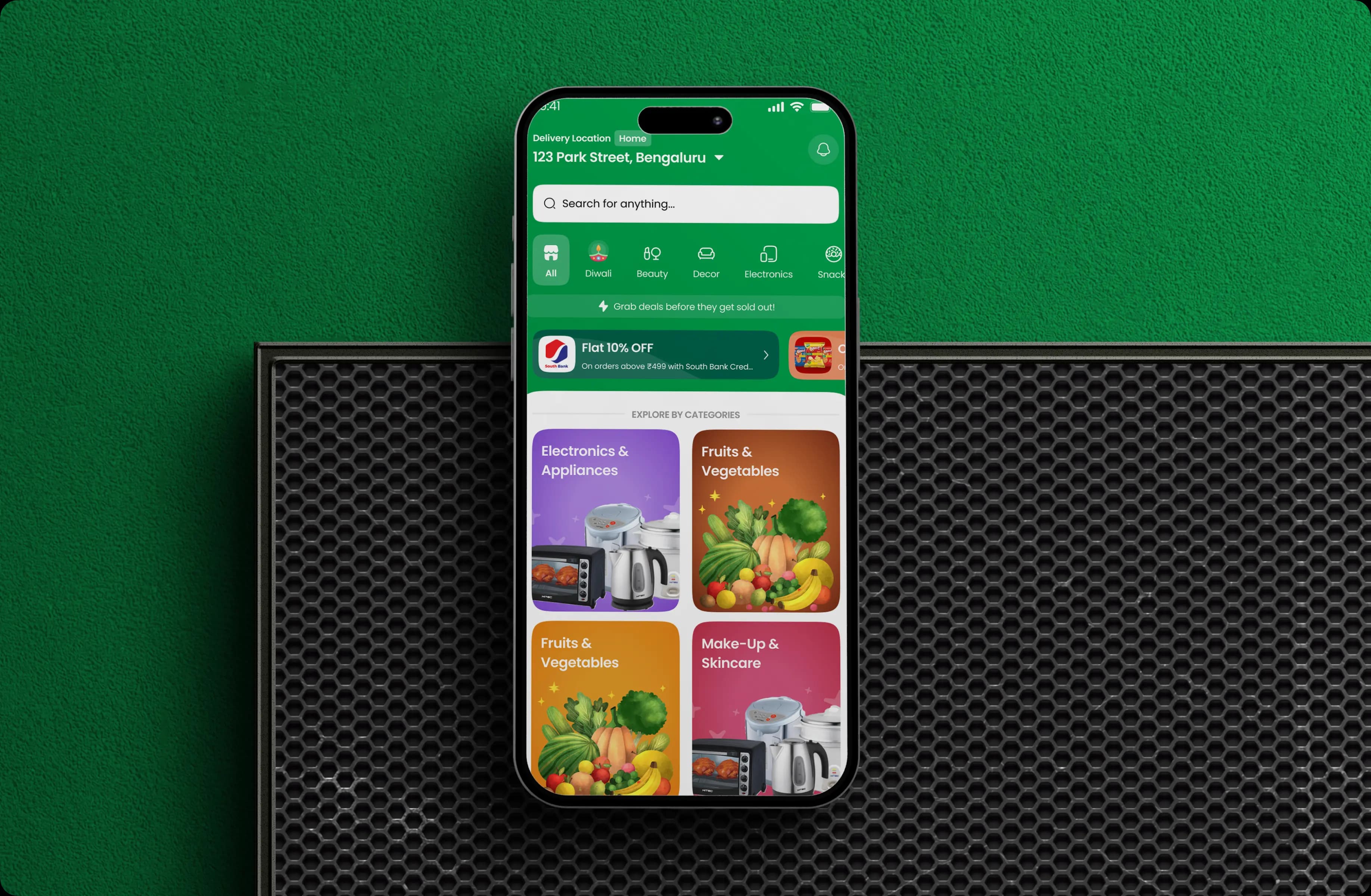
Quick Commerce & Instant Delivery Platform – FlashNow
/01 · Quick Commerce

Quick Commerce & Instant Delivery Platform – FlashNow

A full-stack quick commerce platform — consumer mobile app, vendor management dashboard, and super admin control panel — designed and delivered by Creuto from scratch.

10–30 min

Minute Delivery

4

Platform Roles

3

Platforms Delivered

View Case Study
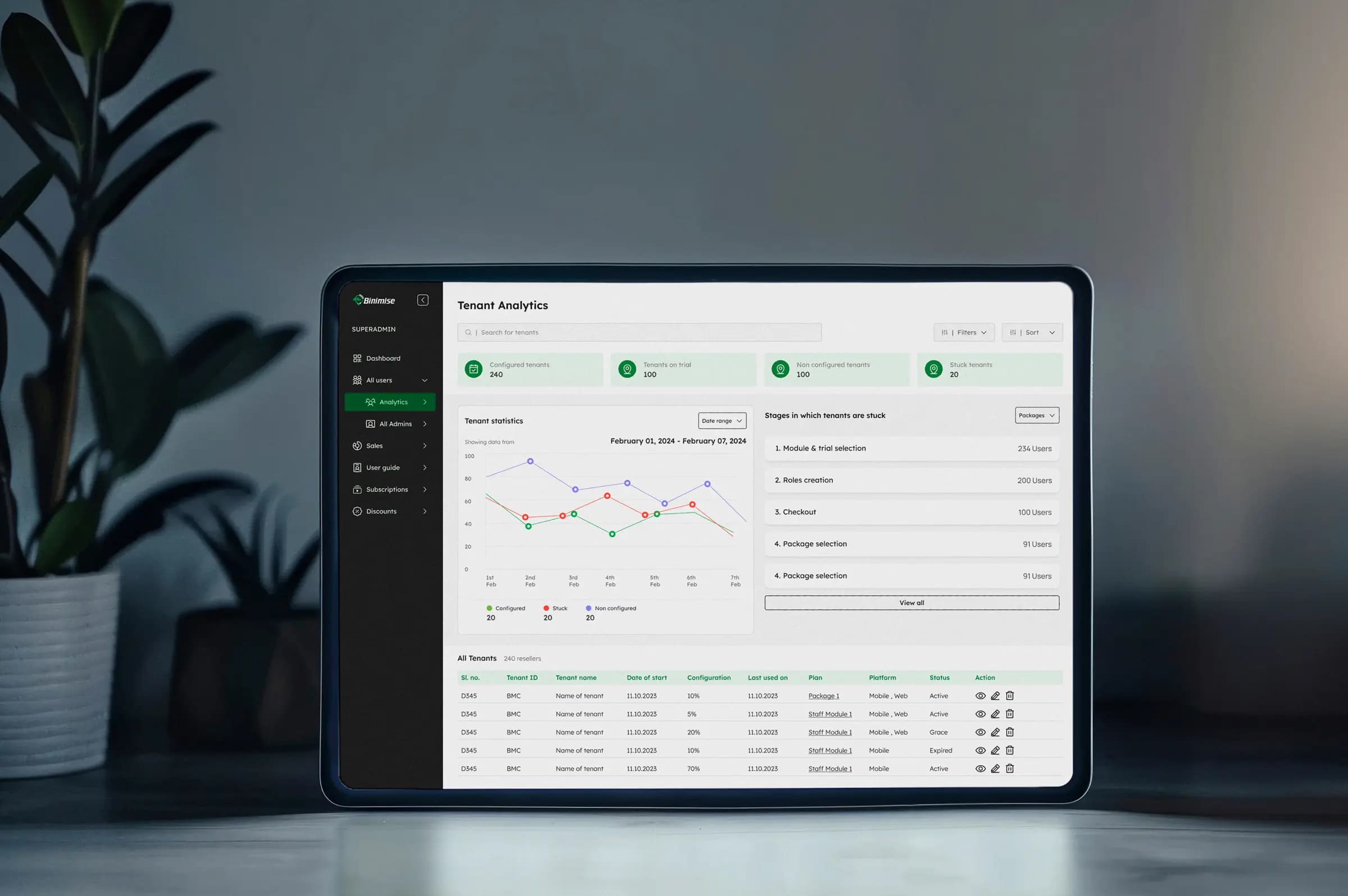
IoT Smart City Platform for Binimise
/02 · Smart City / IoT

IoT Smart City Platform for Binimise

A cloud-native, IoT-powered smart city platform — web command dashboard, citizen mobile app, field staff app, and full IoT integration designed and delivered by Creuto from the ground up.

10

Integrated Modules

25–30%

Reduction in Vehicle Trips

4

Platforms Delivered

View Case Study
Custom Cloud ERP for Large-Scale Industrial Operations
/03 · Enterprise ERP

Custom Cloud ERP for Large-Scale Industrial Operations

A fully custom, browser-based ERP system built to unify every department, eliminate silos, and scale with the business — designed and delivered by Creuto end to end.

4

Departments Unified

1

Source of Truth

100%

Browser-Based Access

View Case Study
COMPLIANCE AND SECURITY

Compliance and security, designed in.

The fleet management standards we build against and the controls behind them. Your compliance team keeps ownership; we make the software easy to certify.

Fleet regulations we build for

  • FMCSA ELD mandate and hours-of-service rules (United States)
  • EU driving time and tachograph rules
  • GDPR and UK GDPR for driver location data
  • UAE PDPL and India DPDP Act
  • Vehicle inspection and DVIR record keeping
  • ISO/IEC 27001 aligned controls
  • SOC 2 readiness

Vehicle data standards

  • J1939 and OBD-II diagnostic data
  • FMS standard for truck data
  • MQTT and REST telematics feeds
  • Fault code (DTC) interpretation
  • ISO 15118 and OCPP data for EV fleets

Security controls

  • Encryption in transit and at rest
  • Role-based access by depot and region
  • Configurable location privacy for off-duty hours
  • Device and API key management
  • Immutable audit trails
  • Penetration testing before launch

Platform quality

  • Load testing for high-frequency telemetry
  • Offline sync and conflict testing
  • Automated regression and device testing
  • Accessibility to WCAG 2.2 AA
  • 24/7 monitoring and alerting
INTEGRATIONS

Fleet Management integrations we connect.

The platforms, standards and third-party services a product in this sector usually has to talk to. If yours is not listed, it is almost certainly something we have connected before.

/01Telematics and devices

  • Samsara
  • Geotab
  • Motive
  • Trimble
  • ELD devices
  • Dashcams and video telematics
  • Custom GPS trackers over MQTT

/02Maps and routing

  • Google Maps Platform
  • Mapbox
  • HERE
  • OSRM
  • Truck routing APIs

/03Business systems

  • SAP
  • Oracle
  • NetSuite
  • Microsoft Dynamics 365
  • Payroll systems
  • Fuel-card provider feeds

/04Messaging and payments

  • Twilio
  • WhatsApp Business API
  • Firebase Cloud Messaging
  • Stripe
  • Razorpay
WHY CREUTO

Why choose Creuto as your fleet management software development company

The reasons clients in this sector give when they recommend us, not the ones we would pick ourselves.

Either we build it exceptional, or we don't.

The standard every fleet management product leaves our studio with.

0+

Products delivered

0+

Years of engineering

0%

Client satisfaction

Start a conversation
  1. /01

    Hardware-agnostic by default

    We normalise data from several telematics providers, so you are not locked into one device vendor as the fleet changes.

  2. /02

    Drivers are users, not suspects

    We design privacy controls and fair scoring that drivers accept, which is what makes adoption stick.

  3. /03

    Telemetry at scale

    Our pipelines handle high-frequency location and sensor data with replay, alerting and analytics that stay fast as the fleet grows.

  4. /04

    Ready for electric fleets

    Battery, charging and range data sit alongside conventional vehicles, so electrification does not need a separate system.

  5. /05

    A long-term engineering partner

    We maintain device integrations, add new hardware and evolve analytics as your fleet, regulations and priorities change.

BENEFITS

Benefits of custom fleet management software over off-the-shelf tools.

What organisations in this sector gain when the software is built around their workflows rather than the other way around.

  1. 01

    Lower fuel spend

    Idling, speeding and route data show exactly where fuel is wasted and which changes reduce it.

  2. 02

    Fewer breakdowns

    Maintenance driven by mileage, hours and fault codes catches problems before they leave a vehicle at the roadside.

  3. 03

    Safer drivers and fewer claims

    Objective behaviour data supports coaching and gives evidence when incidents are disputed.

  4. 04

    Higher vehicle utilisation

    Seeing which vehicles sit idle helps right-size the fleet and redeploy assets where demand is.

  5. 05

    Simpler compliance

    Digital logs, inspections and renewals are always ready for audit or roadside checks.

  6. 06

    True cost per vehicle

    Fuel, maintenance, tolls and fines combined per asset show which vehicles and routes are profitable.

HOW WE WORK

Our fleet management software development process.

Transparent, sprint-based and built around decisions you can see. You know what ships, when, and why at every step.

Start Your Project
  1. 01

    Fleet discovery

    We ride along with drivers, visit workshops and review your telematics data to agree the fuel, safety, uptime and compliance outcomes the software must improve.

  2. 02

    Architecture and compliance plan

    Device inventory, data model, integrations, hosting region, driver privacy rules and ELD or tachograph scope are documented before design starts.

  3. 03

    Design and field validation

    Driver and manager prototypes are tested in cabs and yards, on real devices, in bright sunlight and with patchy signal.

  4. 04

    Agile engineering

    Two-week sprints with working software reviewed by your fleet and workshop leads. Telematics integrations are built against live sandbox data early.

  5. 05

    Integration, QA and hardening

    Telemetry load testing, offline sync testing, device matrix testing and a penetration test before any depot goes live.

  6. 06

    Depot rollout and growth

    Launch with one depot or vehicle group, train drivers and managers, then expand with monitoring and a roadmap driven by cost and safety data.

TECHNOLOGY STACK

Technology stack for fleet management software development.

Chosen per project for longevity, hiring depth and fit with your existing systems, never by fashion.

/01Mobile

  • Kotlin
  • Swift
  • Flutter
  • React Native
  • Android Enterprise for rugged devices

/02Web and backend

  • React
  • Next.js
  • TypeScript
  • Node.js
  • NestJS
  • Go
  • Java
  • Spring Boot

/03IoT and telematics

  • MQTT
  • Kafka
  • AWS IoT Core
  • Azure IoT Hub
  • Redis
  • Google Maps Platform
  • Mapbox

/04Data

  • PostgreSQL
  • PostGIS
  • TimescaleDB
  • ClickHouse
  • BigQuery
  • Elasticsearch

/05Cloud and DevOps

  • AWS
  • Azure
  • Google Cloud
  • Docker
  • Kubernetes
  • Terraform
  • GitHub Actions

/06AI

  • Claude
  • OpenAI
  • PyTorch
  • Scikit-learn
  • TensorFlow
  • LangChain

/07Security and identity

  • OAuth 2.0
  • OpenID Connect
  • SAML
  • Auth0
  • Keycloak
  • AWS KMS
  • Vault

AI IN FLEET MANAGEMENT

AI that saves fuel, spots faults and keeps drivers safe.

We add AI to fleet platforms where it changes a decision: predicting which vehicle needs a workshop visit, scoring driving fairly, and answering a manager's question about cost or utilisation without a report request, with clear explanations and human review.

Explore our AI engineering
  • Predictive maintenance from fault codes and usage
  • Fair driver scoring and coaching suggestions
  • Fuel anomaly and theft detection
  • Route and job allocation with range awareness
  • Video event classification for safety review
  • Natural-language fleet reporting assistants
TRENDS

Trends shaping fleet management software right now.

The shifts we design for so a product launched this year is still the right product in three.

  1. 01

    Fleet electrification

    Operators are adding electric vans and trucks, which brings charging schedules, battery health and depot power limits into fleet software.

  2. 02

    AI video telematics

    Dashcams with on-device AI detect distraction and risky events, and platforms must handle video evidence and coaching workflows.

  3. 03

    Predictive maintenance

    Fault codes and usage data feed models that predict failures, shifting workshops from fixed intervals to condition-based servicing.

  4. 04

    OEM-embedded telematics

    Manufacturers increasingly provide vehicle data directly through APIs, reducing the need for aftermarket devices and adding new data sources to integrate.

  5. 05

    Emissions reporting

    Customers ask for emissions per job or route, calculated under the GHG Protocol from fuel and energy data the fleet already collects.

COST AND TIMELINE

How much does fleet management software development cost?

There is no honest single number. Scope, integrations and compliance drive the budget, so we price against a written scope after discovery. The factors below are what move it.

  1. 01

    Number of apps and roles

    A tracking dashboard alone is smaller than driver, manager, workshop and finance products on one platform.

  2. 02

    Telematics providers and devices

    Each device type or provider API adds mapping, testing and edge-case handling.

  3. 03

    Telemetry volume

    Reporting frequency and fleet size shape pipeline, storage and analytics design.

  4. 04

    Compliance scope

    ELD certification support, tachograph data and multi-country driver rules add design and testing effort.

  5. 05

    Maintenance and parts depth

    Full workshop management with parts inventory is a product in its own right.

  6. 06

    AI and video features

    Predictive maintenance and video event review need data preparation, storage and evaluation.

EngagementTypical scopeTimeline
Validation MVPLive tracking, driver app with inspections, one telematics integration, basic alerts and reports.10 to 14 weeks
Production platformMulti-provider telematics, maintenance, fuel, safety scoring, compliance logs and manager console.4 to 7 months
Enterprise or multi-depotMulti-region fleets, EV and mixed assets, predictive maintenance, video telematics and ERP integration.8 to 14 months, phased
BUSINESS MODELS

How fleet management products make money.

Revenue models we have built billing, reporting and growth loops for. Most products combine two or three.

  1. 01

    Per-vehicle subscriptions

    Monthly fees per tracked asset, the standard model for fleet SaaS products.

  2. 02

    Tiered feature plans

    Tracking, maintenance, safety and compliance sold as progressively richer packages.

  3. 03

    Hardware bundles

    Devices supplied with the subscription, financed over the contract term.

  4. 04

    Enterprise licensing

    Annual licences with implementation and support for large private fleets.

  5. 05

    Data and insurance partnerships

    Consented driving data used for usage-based insurance or benchmarking services.

HOW WE DELIVER

Services behind our fleet management work

The engineering disciplines every project in this sector draws on. Each has its own page with process, stack and FAQs.

TESTIMONIALS

Don't take our word for it.

Founders and product leaders on what it is like to build with Creuto.

“They prioritized our project as their own and offered only the best choices at each step in the development process.”

Creuto's work led to a 28% increase in customer engagement, a 41% reduction in manual tasks, a 23% faster response time, and a 48% improvement in data accuracy. The team managed the project well and delivered on time. Overall, the team was committed to understanding the client's business needs.

DF

Daniel Foster

CEO, Edverise

Read on Clutch

More client voices

/01 of 06

on Clutch
FAQ

Frequently Asked Questions

Straight answers about fleet management software projects. If yours is not here, ask us directly.

Ask our fleet management team

It depends on the apps and roles in scope, the number of telematics providers and devices, telemetry volume, compliance requirements such as ELD or tachograph rules, and AI or video features. A tracking and driver-app MVP is a materially smaller investment than a multi-depot platform. After discovery we provide a fixed-scope proposal with a clear breakdown.

A validation MVP with live tracking, a driver app and one telematics integration typically takes 10 to 14 weeks. A production platform with maintenance, fuel, safety and compliance usually takes four to seven months. Enterprise or multi-depot platforms with predictive maintenance and video telematics are delivered in phases over eight to fourteen months.

Yes. We build duty status logging, hours-of-service rule checks and roadside data transfer aligned with the FMCSA ELD mandate, and tachograph data handling for EU fleets. ELD devices must be registered with FMCSA by their provider, so we either integrate a registered device or support your registration process.

We integrate with Samsara, Geotab, Motive and Trimble through their APIs, with ELD devices and dashcams, and with custom GPS trackers over MQTT or TCP. Data from different providers is normalised into one model so managers see a single view across the fleet.

App development usually means the driver or manager mobile app. Fleet management software development covers the whole system: those apps plus the telematics pipeline, maintenance engine, compliance logs, integrations and analytics behind them. We deliver both as one connected product.

Yes. Driver apps are offline-first, so inspections, defect photos, fuel entries and job updates are stored on the device and synchronised when signal returns. We test on rugged Android devices, consumer phones and vehicle-mounted tablets. Sync conflicts are resolved automatically and flagged when a person needs to decide.

Yes. We model battery state, charging sessions and range alongside fuel and engine data, so electric and combustion vehicles share one dashboard, one maintenance system and one set of cost reports. Charging costs and energy use are tracked per vehicle, so the economics of electrification are visible.

We apply role-based access, configurable privacy modes for off-duty hours, data retention limits and clear driver notices, designed to meet GDPR and regional privacy laws. Drivers can see their own data and scores, which also helps adoption. Retention periods are configurable.

LET'S BUILD

Planning a fleet management product? Let's scope it together.

Tell us what you are building. We will help you scope it, design it, and ship it, with a senior team accountable end to end.

  • Reply within one business day
  • NDA on request
  • Senior engineers only
  • Fixed scope, no surprises