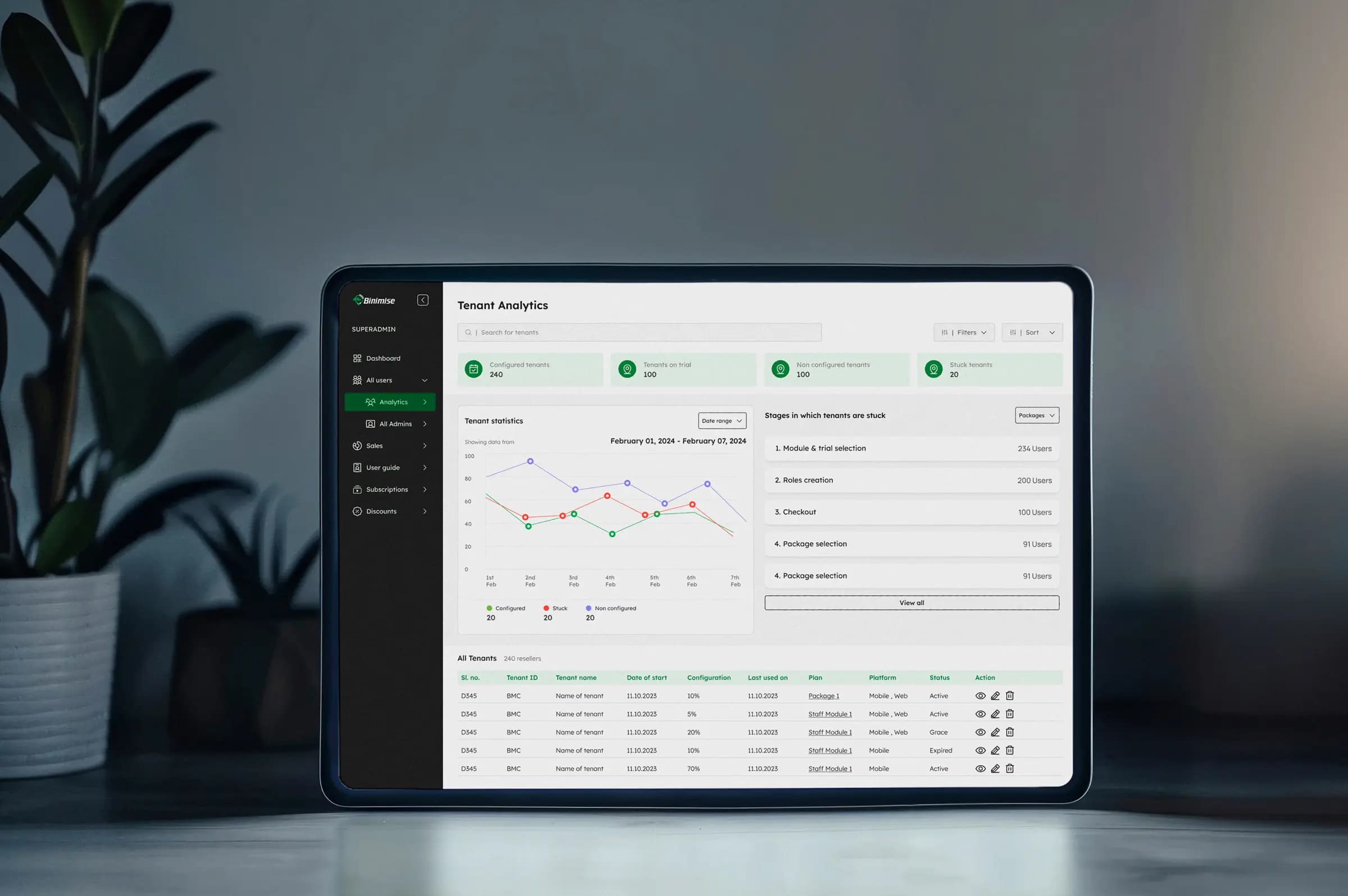
Charging networks succeed on reliability, and drivers remember the charger that did not work far longer than the ten that did. Operators need remote visibility of every connector, fast fault resolution, flexible pricing and settlement with roaming partners, while site owners want energy costs under control. Off-the-shelf back offices often handle the happy path well but leave operators blind when a specific charger model behaves unexpectedly.
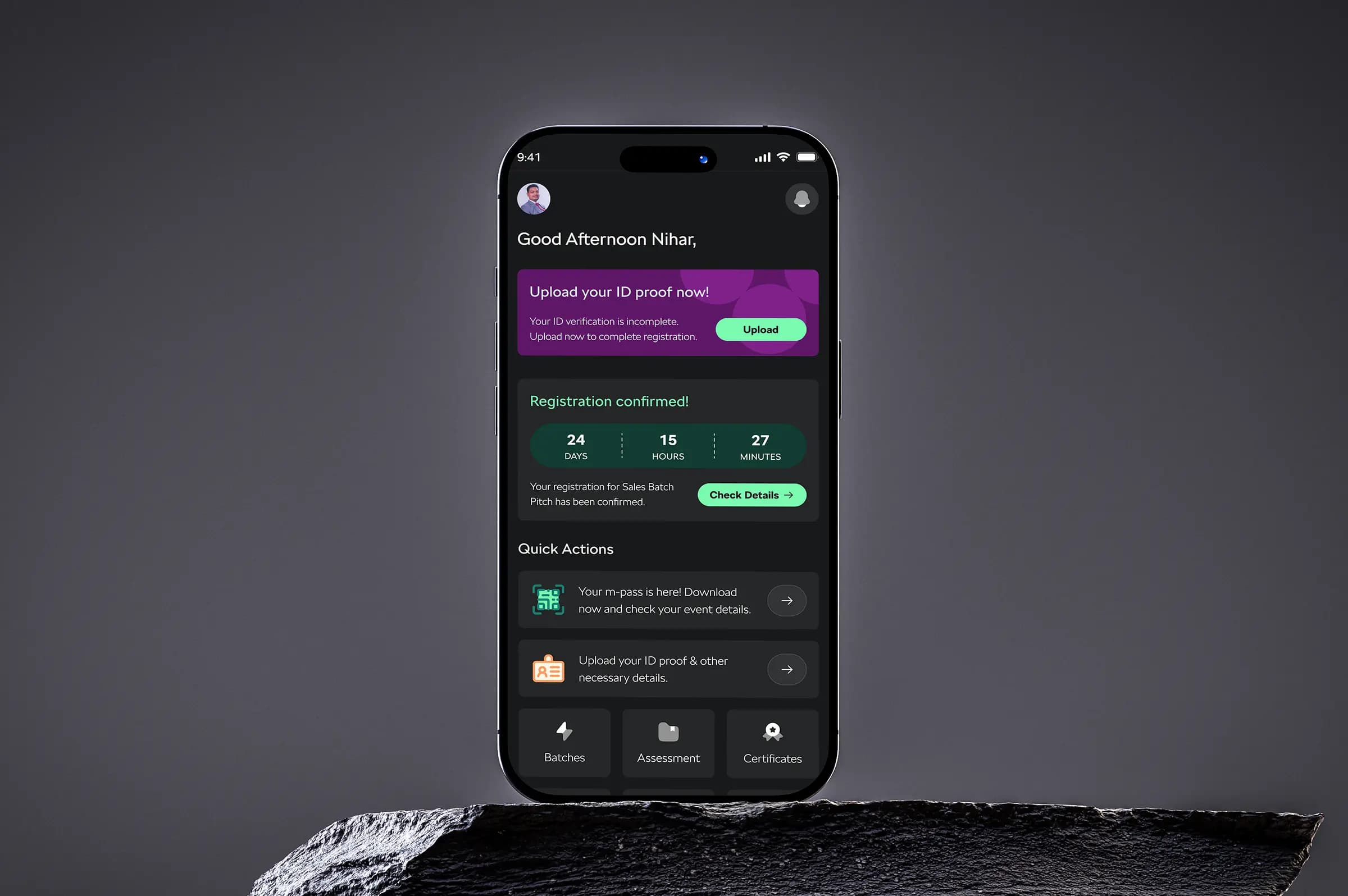
As an EV charging software development company, we build charge point management systems, driver apps and eMSP platforms around how charging networks actually run: how chargers boot, authorise and report, how sessions are priced and paid for, how faults are diagnosed and dispatched, and how revenue is shared with site hosts and roaming partners. Every product starts from that operational loop.
Interoperability is core scope. Our platforms implement OCPP 1.6 and OCPP 2.0.1 with security profiles, connect to roaming partners through OCPI and Hubject, support ISO 15118 Plug and Charge with certificate management, accept payments through Stripe, Razorpay, Network International, Apple Pay and Google Pay, and publish locations to maps through Google Maps, Mapbox and HERE. Every integration is tested against real chargers and partner sandboxes before go-live.
Security and metering accuracy are engineered in from the first sprint, covering PCI DSS through tokenised payments, PSD2 strong customer authentication, GDPR for driver data, and the ad hoc payment, pricing and data obligations of the EU Alternative Fuels Infrastructure Regulation and UK Public Charge Point Regulations. The outcome is custom EV charging software that keeps chargers online and drivers coming back.