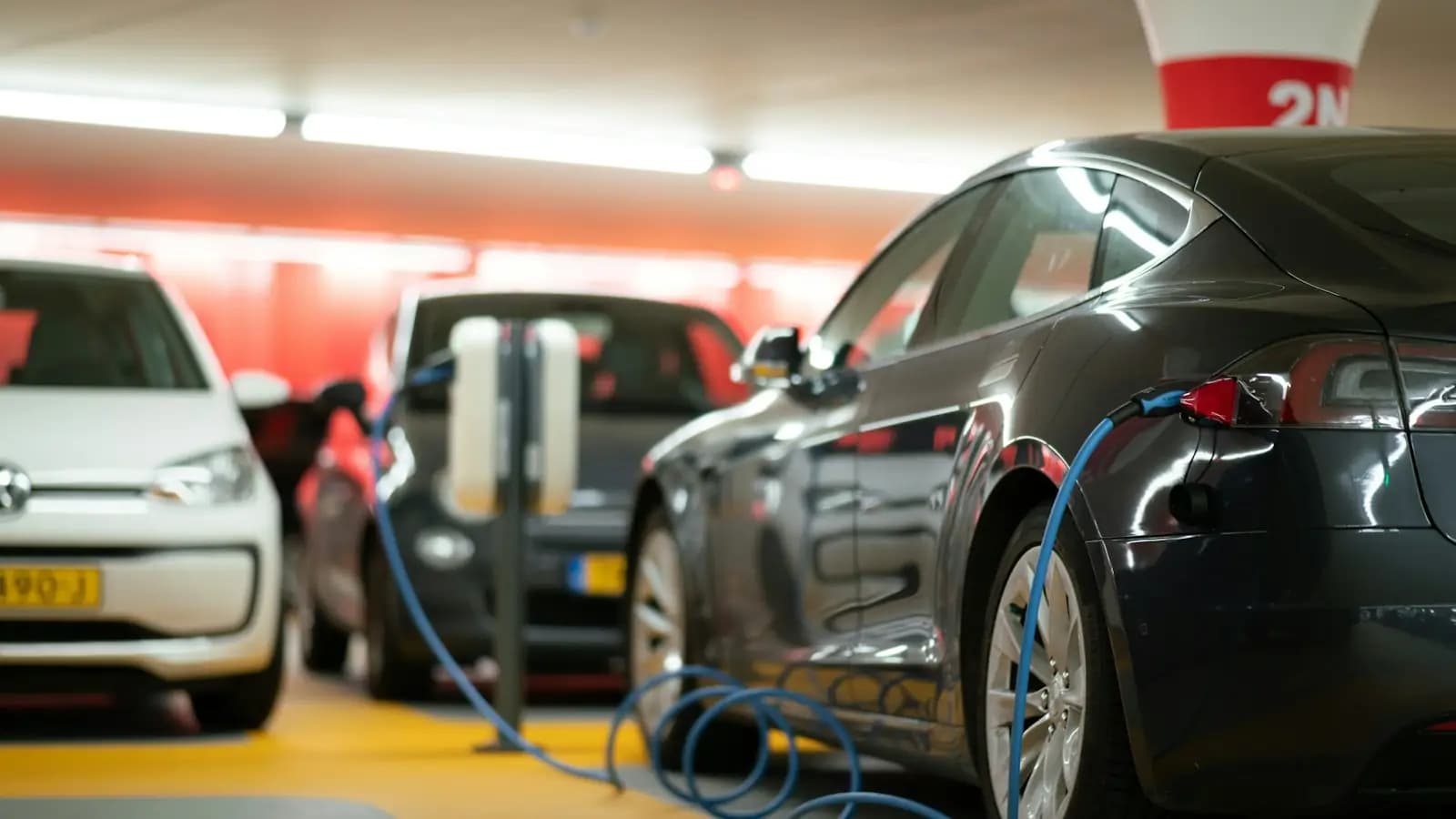
Electric mobility depends on software as much as hardware. Drivers need to find a working charger, start a session and pay without friction, while operators need every charger online, energy costs under control and roaming partners settled correctly. Fleets need to know which vehicle can do which job on the charge it has. When those pieces run on separate tools, chargers sit faulty for days and drivers lose trust in the network.
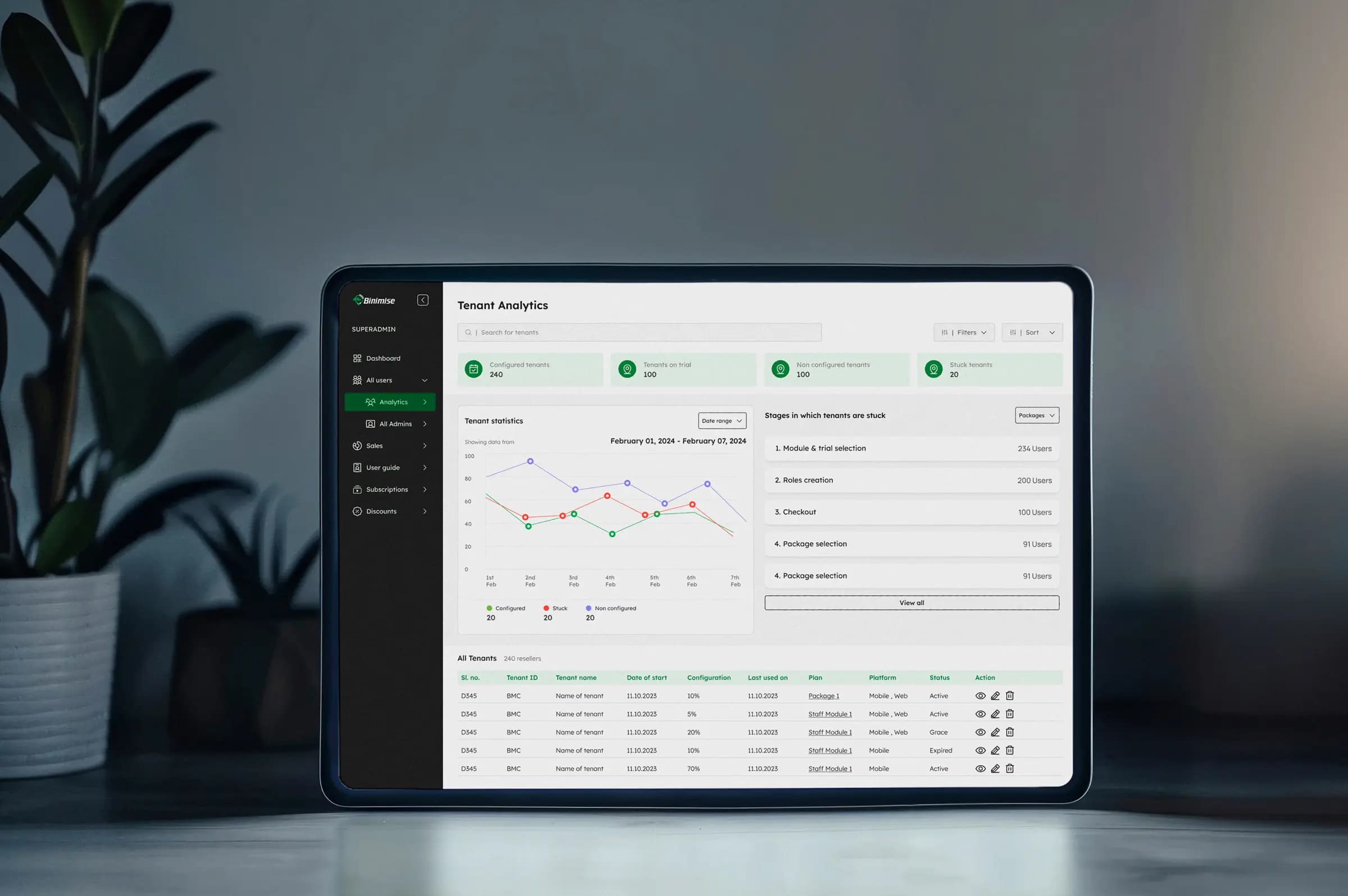
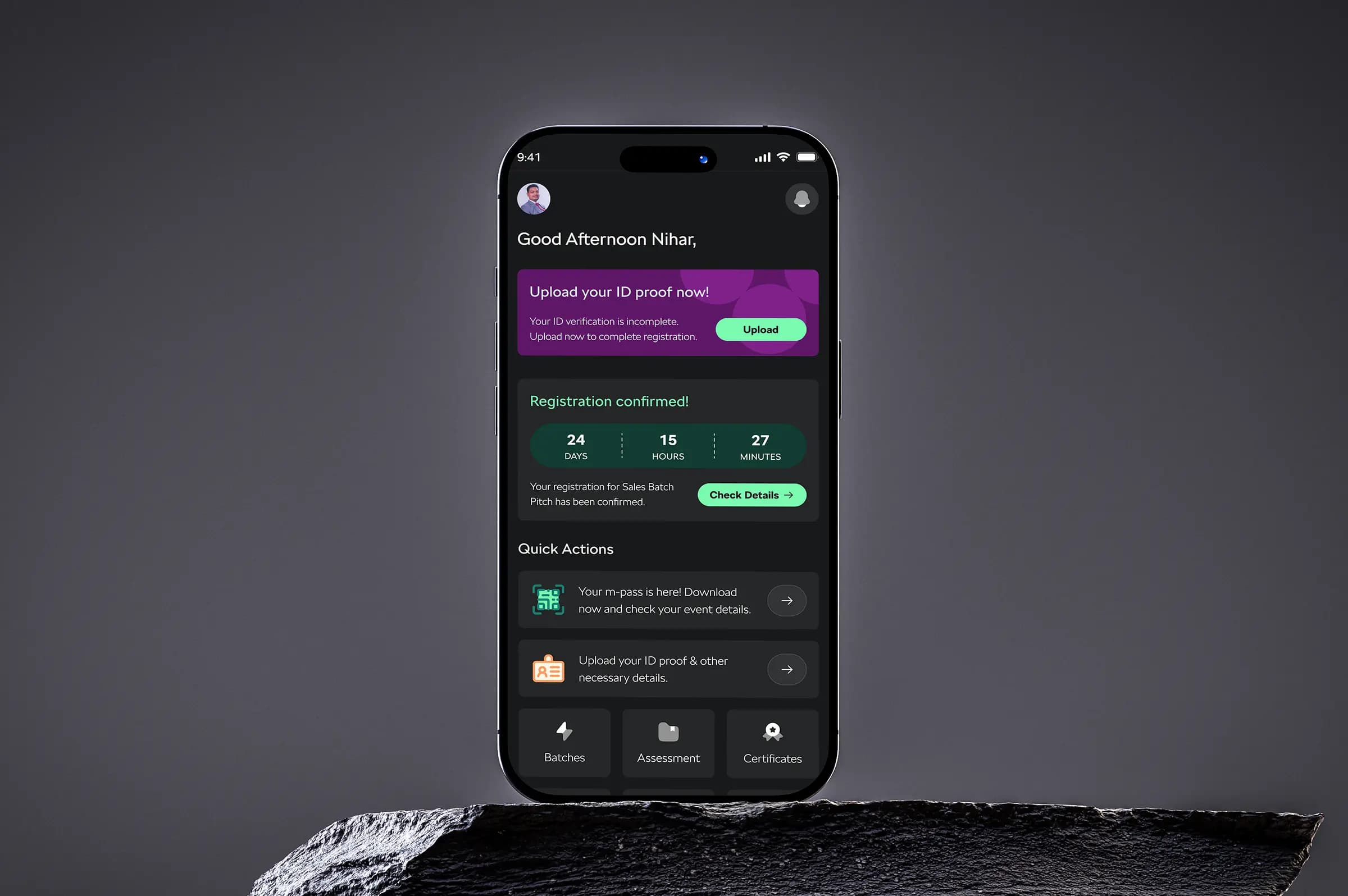
As an EV software development company, we build charge point management systems, driver apps, fleet electrification tools and shared micromobility platforms around how electric mobility actually operates: how chargers connect and report, how sessions are authorised and billed, how energy is balanced across a site and how vehicles and batteries are kept available. Every product starts from that operational loop.
Interoperability is core scope. Our platforms speak OCPP 1.6 and OCPP 2.0.1 to chargers from many manufacturers, connect to roaming partners through OCPI and Hubject, support ISO 15118 Plug and Charge where hardware allows, and integrate Stripe, Razorpay or Network International for payments and Google Maps, Mapbox or HERE for charger discovery and routing. Charger behaviour is validated on real hardware, because vendors interpret the specifications differently.
Security, metering accuracy and resilience are engineered in from the first sprint, with PCI DSS scope kept small through tokenised payments, GDPR-aligned handling of driver and location data, and OCPP security profiles for charger connections. The outcome is custom EV software that keeps networks reliable, drivers confident and operators able to grow from one site to many without rebuilding the platform.