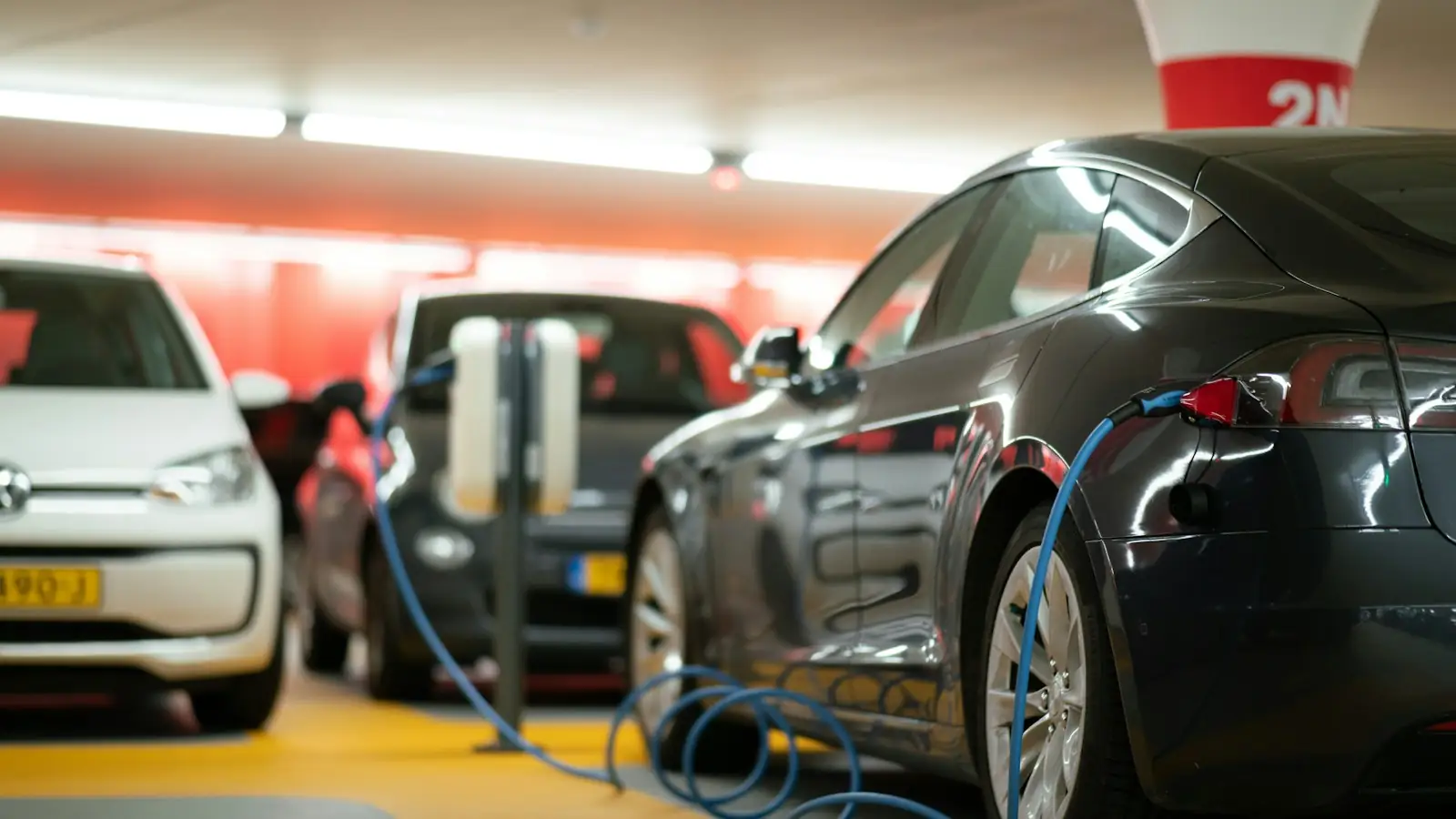
Shared electric mobility has become part of how people move around cities, but the economics are unforgiving. Operators must keep vehicles charged, safe and in the right places, comply with rules that differ by city and sometimes by street, and convert casual riders into regulars. When rider apps, IoT telemetry and field operations run separately, vehicles go missing, batteries run flat and city permits come under review.
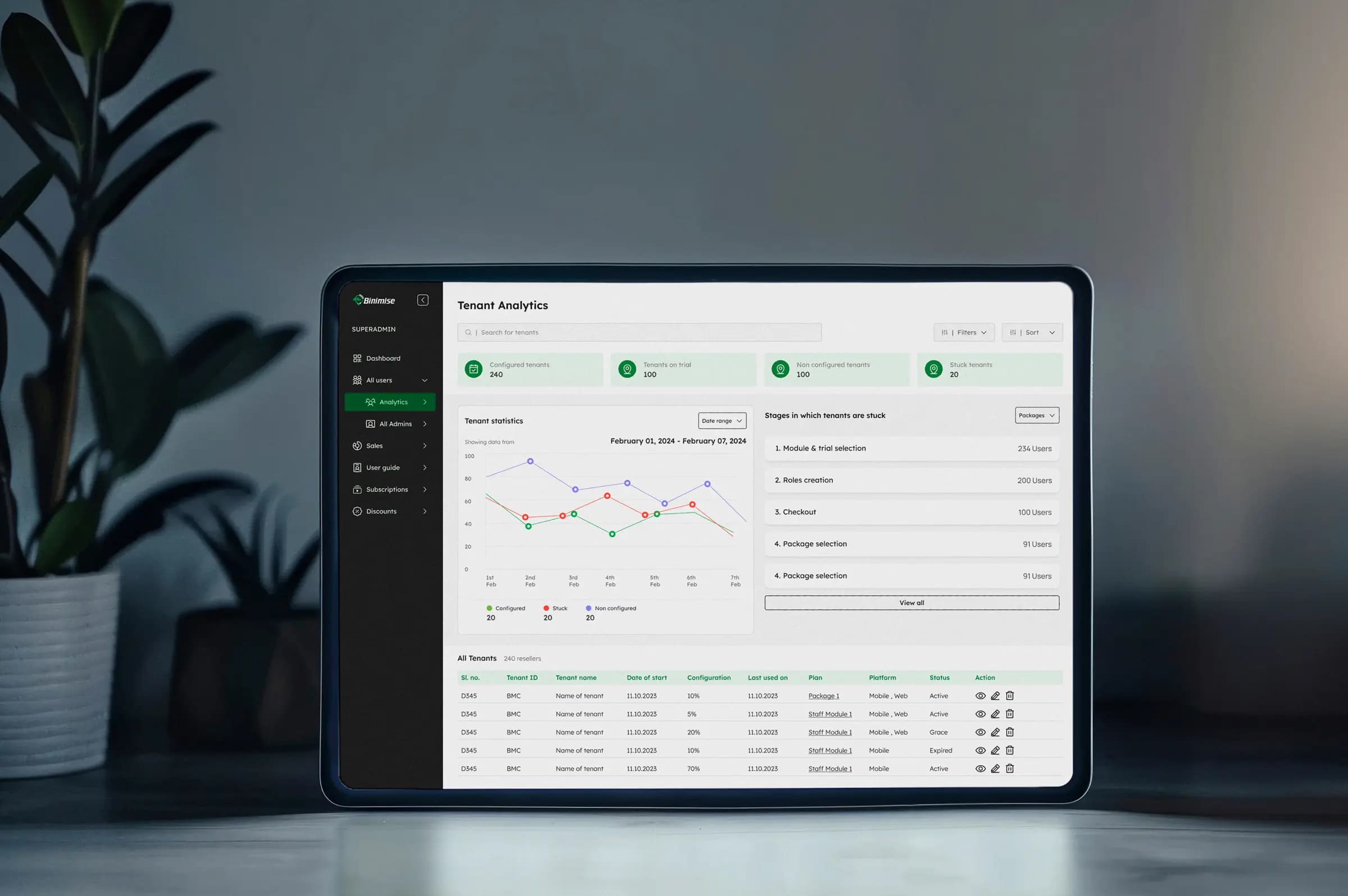
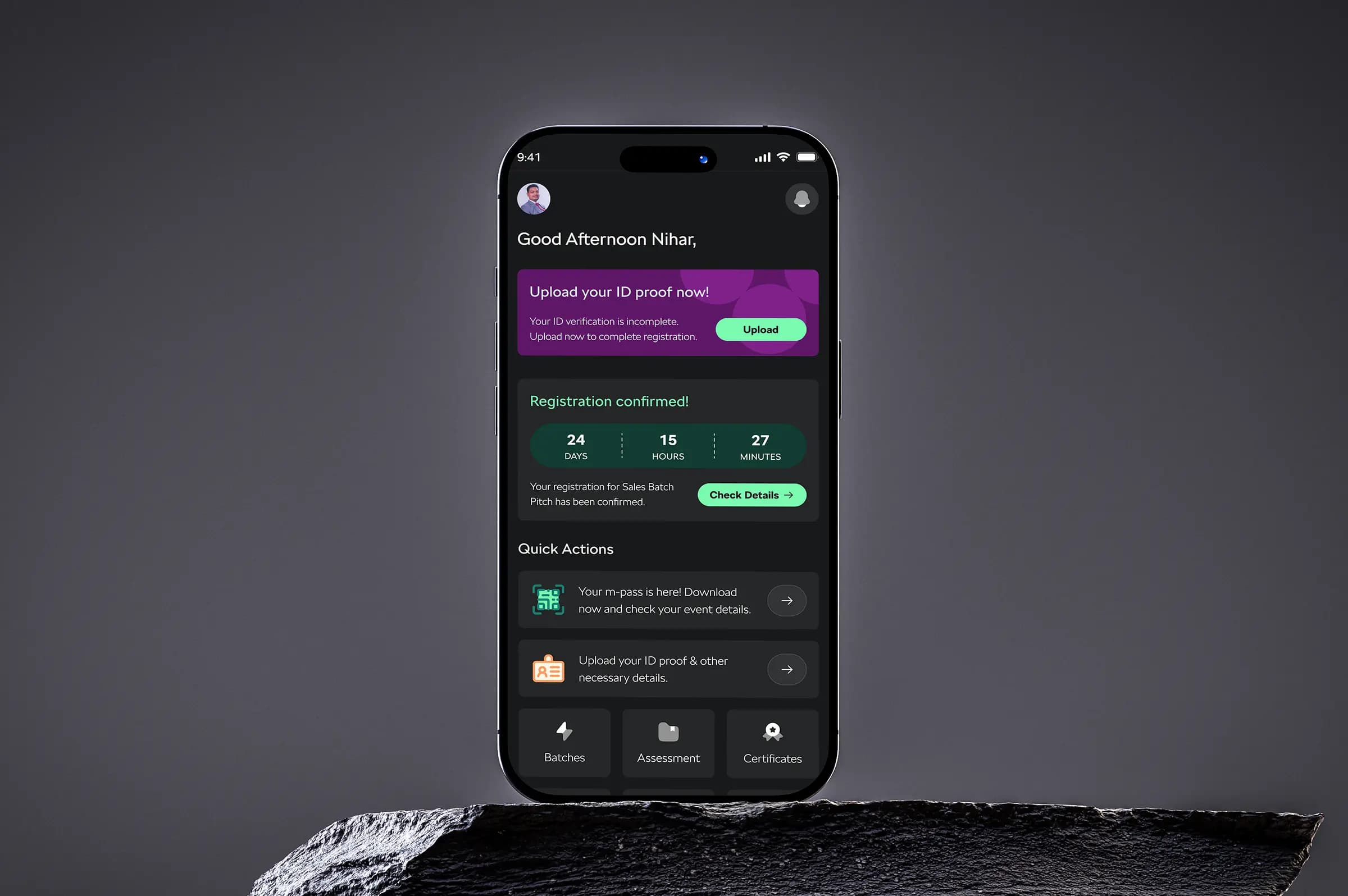
As an emobility app development company, we build rider apps, IoT integrations and operations platforms around how a sharing service actually runs: how riders find, unlock, ride and park, how vehicles report their state, how field teams swap batteries, repair and rebalance, and how city rules are applied to every trip. Every product starts from that loop, for e-scooters, e-bikes, mopeds or cars.
Integration is core scope. Our platforms connect to vehicle IoT modules and smart locks over their APIs or MQTT, use Google Maps, Mapbox or HERE for maps and geofences, take payments through Stripe, Razorpay, Network International, Apple Pay and Google Pay, verify identity and licences for car and moped sharing, and share trip data with cities through the Mobility Data Specification and GBFS feeds.
Security and privacy are engineered in from the first sprint, with GDPR-aligned handling of trip and location data, PCI DSS scope kept minimal through tokenised payments and PSD2 strong customer authentication for EU cards, plus secure command channels so vehicles cannot be unlocked by anyone but the platform. The outcome is custom emobility software that riders trust, field teams rely on and cities approve.