Creuto is now an OpenAI Select Partner Read More

Energy & Utilities · Specialisation

Oil and Gas Software Development Services

Safer, More Efficient Operations From Field to Facility.

We build asset monitoring, field operations, maintenance, and HSE software for oil and gas operators and service companies, helping teams reduce downtime, improve safety, and make decisions with real-time operational data.

  • IEC 62443 and API 1164-aware design
  • AVEVA PI, SCADA and SAP PM integration
  • Senior-only engineering team

Plan your oil & gas project

Tell us what you want to build. A senior engineer, not a sales script, replies within one business day.

What's your budget range?

Your idea is protected. NDA available on request.

Trusted by teams building what's next

  • Creuto client 1
  • Creuto client 2
  • Creuto client 3
  • Creuto client 4
  • Creuto client 5
  • Creuto client 6
  • Creuto client 7
  • Creuto client 8
  • Creuto client 9
  • Creuto client 10
  • Creuto client 11
  • Creuto client 12
  • Creuto client 13
  • Creuto client 14
OVERVIEW

Software shaped around how oil & gas really works.

Oil and gas operations run across remote wellsites, offshore platforms, pipelines, terminals and refineries, with equipment that must keep running and people who must stay safe. Yet many inspections still happen on paper, production data lives in separate historians and spreadsheets, and HSE records are assembled by hand when an auditor asks for them.

As an oil and gas software development company, we build the tools that close those gaps: remote asset and pipeline monitoring, predictive maintenance, offline inspection apps, permit-to-work and incident management, and production dashboards. We design around upstream, midstream and downstream workflows, shift patterns and the reality of working with patchy satellite or radio links.

Integration does the heavy lifting. Our platforms read from AVEVA PI System, Ignition and vendor SCADA over OPC UA, Modbus and MQTT, connect wireless sensors through AWS IoT Core or Azure IoT Hub, and exchange maintenance and cost data with SAP Plant Maintenance, IBM Maximo and Oracle, so field findings turn into work orders without re-keying.

Security and safety are treated as first-order requirements. We follow IEC 62443 for industrial networks and API Standard 1164 for pipeline control systems, support ISO 27001 control evidence, and structure HSE data around OSHA process safety management and API RP 754 indicators. Emissions data, including methane, is captured to support GHG Protocol reporting and regulator or investor disclosures.

Why oil & gas teams build with Creuto

Remote asset monitoring

Wellhead, compressor, pump and tank telemetry brought into one view over cellular, radio or satellite links, with store-and-forward buffering when connections drop.

Offline-first field apps

Inspection, permit and maintenance apps that work for whole shifts without coverage, then sync safely with conflict handling when operators reach connectivity.

Industrial cybersecurity

IEC 62443 zones, API 1164 aligned pipeline SCADA controls, strong identity and immutable audit trails, with evidence your security assessors can review.

HSE and process safety

Permit to work, isolations, incident investigation and process safety indicators modelled on your procedures and on API RP 754 and OSHA PSM requirements.

Predictive maintenance

Failure and anomaly models for rotating equipment, compressors and pumps trained on historian data, linked straight to maintenance planning in SAP PM or Maximo.

Emissions and flaring data

Methane, flaring and venting data captured from meters and sensors, with calculations and audit trails that support GHG Protocol and regulatory reporting.

0+

Products delivered

0+

Years of engineering

0%

Client satisfaction

0+

Industries served

0+

Countries with live products

WHAT WE BUILD

Oil & Gas software solutions we build.

Each one designed with your teams, integrated with the systems you already run, and engineered to scale.

RELATED AREAS

More Energy & Utilities software we build

Other energy & utilities areas with a dedicated page.

TYPES OF SOLUTIONS

Types of oil & gas apps and software we develop.

The product categories oil & gas organisations most often ask us to build, from focused mobile apps to multi-tenant platforms.

  1. 01

    Remote well and asset monitoring platforms

    Wellhead, artificial lift, compressor and tank telemetry with alarms, trends and site-level dashboards.

  2. 02

    Pipeline monitoring and leak detection software

    Pressure, flow and temperature monitoring with leak alarms, integrity data and control room views.

  3. 03

    Digital inspection and integrity apps

    Offline checklists, photo and thickness readings, and risk-based inspection records for vessels, piping and tanks.

  4. 04

    Permit to work and isolation systems

    Electronic permits, isolation certificates, simultaneous operations checks and approvals across shifts and contractors.

  5. 05

    HSE incident and audit management

    Incident and near-miss reporting, investigations, corrective actions and audit programmes in one system.

  6. 06

    Production accounting and reporting tools

    Daily production, allocation, downtime and loss reporting from field data to management dashboards.

  7. 07

    Predictive maintenance platforms

    Condition monitoring and failure prediction for rotating equipment, linked to SAP PM or Maximo work orders.

  8. 08

    Methane and emissions monitoring software

    Flaring, venting and fugitive emissions data capture and reporting aligned with GHG Protocol methods.

  9. 09

    Fuel retail and terminal management apps

    Tank levels, deliveries, loading bay scheduling and forecourt operations for downstream networks.

KEY FEATURES

Must-have features of a oil & gas platform we build in.

Grouped by who uses them. Every feature below is one we have shipped to production, not a wishlist.

/01

Field operator app

For technicians and operators at the wellsite or plant.

  • Offline rounds and inspection checklists
  • Photo, video and reading capture
  • QR and NFC equipment tagging
  • Electronic permits and isolations
  • Incident and near-miss reporting
  • Job safety analysis forms
  • Work order execution and sign-off
  • Lone worker check-ins
/02

Operations and engineering tools

For control rooms, engineers and maintenance planners.

  • Live telemetry and alarm dashboards
  • Historian trends and event replay
  • Pipeline pressure and leak alerts
  • Equipment health scores
  • Maintenance backlog prioritisation
  • Production and downtime reports
  • Risk-based inspection planning
  • Shift handover logs
/03

HSE and admin console

Governance, reporting and oversight for HSE and management.

  • Process safety indicator dashboards
  • Corrective action tracking
  • Contractor and competence records
  • Audit programmes and findings
  • Emissions and flaring reports
  • Role and site-based access control
  • Audit logs and document control
  • Integration health monitoring
CHALLENGES WE SOLVE

What holds oil & gas teams back.

The problems we most often help oil & gas organisations solve, and design every engagement around.

  1. 01

    Remote asset visibility

    Wells, pipelines and compressor stations are spread across remote terrain, and without continuous telemetry problems are found late, often by a site visit.

  2. 02

    Safety and compliance records

    Permits, inspections and incidents must be recorded accurately and retrievable on demand, yet many are still on paper or in disconnected spreadsheets.

  3. 03

    Unplanned downtime

    A failed compressor or pump can halt production for days, and calendar-based maintenance does not catch the failures that matter most.

  4. 04

    Poor field connectivity

    Crews work offshore, in deserts and on pipeline routes with patchy coverage, so cloud-only apps fail at exactly the moment data is needed.

  5. 05

    Emissions scrutiny

    Regulators and investors want measured methane and flaring data, not estimates, which requires reliable data capture from field to report.

SELECTED WORK

Products we have shipped. Results we can point to.

Real products designed and engineered by Creuto end to end, with the operational depth energy & utilities and oil & gas projects demand.

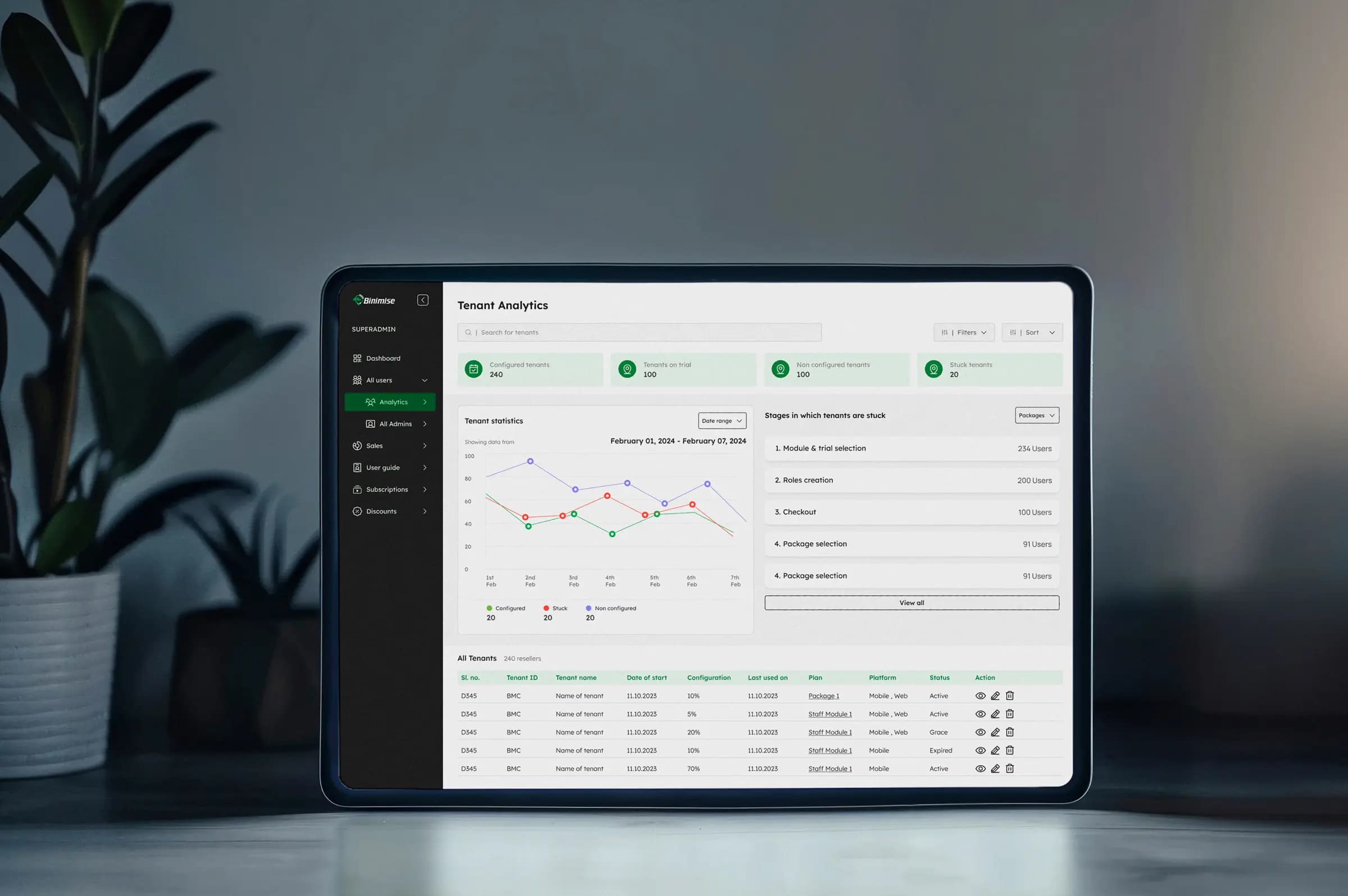
IoT Smart City Platform for Binimise
/01 · Smart City / IoT

IoT Smart City Platform for Binimise

A cloud-native, IoT-powered smart city platform — web command dashboard, citizen mobile app, field staff app, and full IoT integration designed and delivered by Creuto from the ground up.

10

Integrated Modules

25–30%

Reduction in Vehicle Trips

4

Platforms Delivered

View Case Study
Smart Aquaculture Forecasting & Bidding Ecosystem
/02 · AgriTech / IoT

Smart Aquaculture Forecasting & Bidding Ecosystem

A full-stack pond-to-port aquaculture ecosystem — AI monitoring, disease prediction, supply chain linkage, and export readiness — designed and delivered by Creuto from scratch.

6,000+

Farmers Registered

8,000+

Acres Monitored

150+

Villages Covered

View Case Study
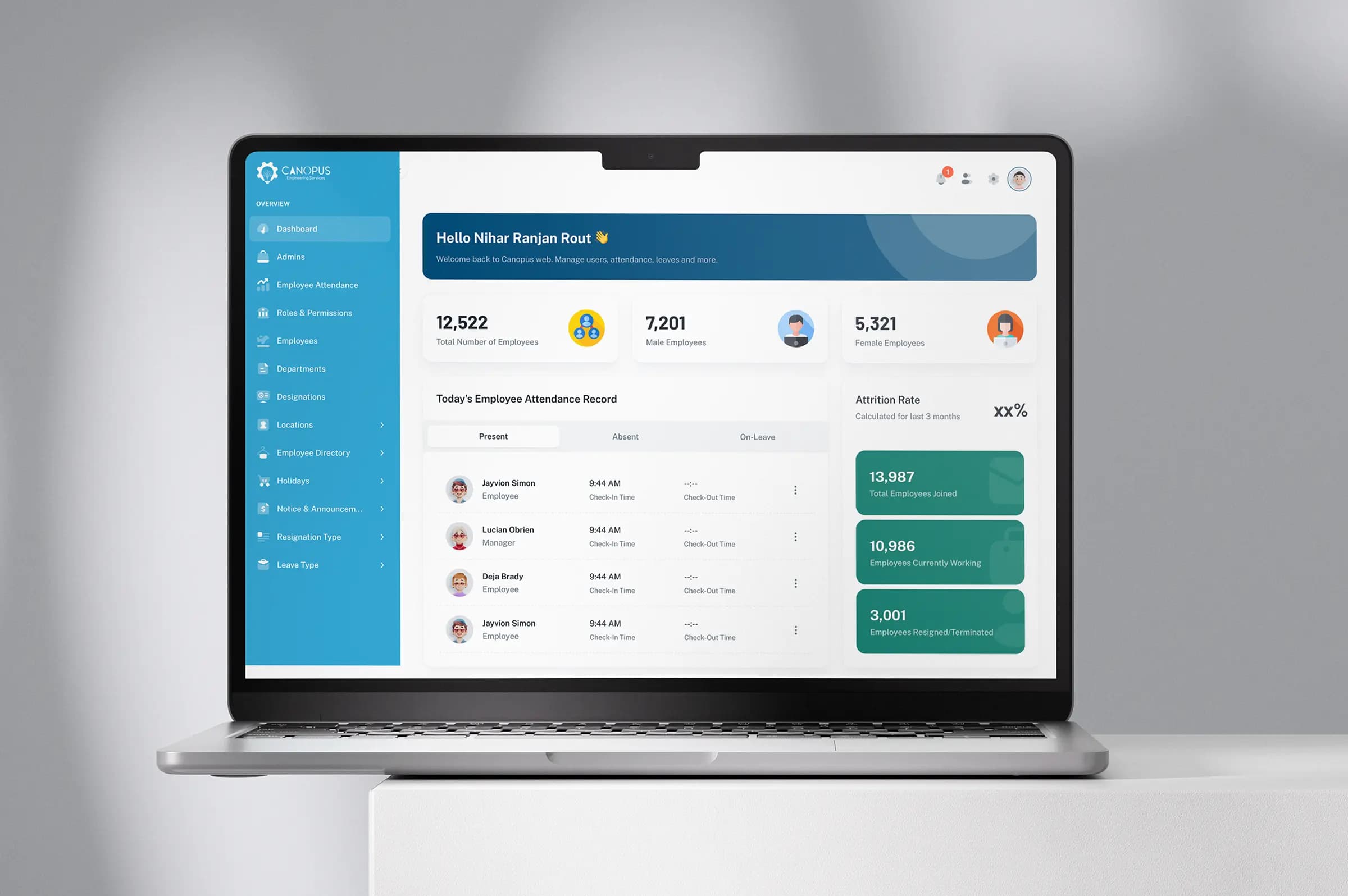
Custom Cloud ERP for Large-Scale Industrial Operations
/03 · Enterprise ERP

Custom Cloud ERP for Large-Scale Industrial Operations

A fully custom, browser-based ERP system built to unify every department, eliminate silos, and scale with the business — designed and delivered by Creuto end to end.

4

Departments Unified

1

Source of Truth

100%

Browser-Based Access

View Case Study
COMPLIANCE AND SECURITY

Compliance and security, designed in.

The oil & gas standards we build against and the controls behind them. Your compliance team keeps ownership; we make the software easy to certify.

Oil and gas regulations and standards we build for

  • API Standard 1164 pipeline control system security
  • API RP 754 process safety performance indicators
  • OSHA process safety management (29 CFR 1910.119)
  • PHMSA pipeline safety rules (United States)
  • OISD and PNGRB standards (India)
  • IEC 62443 industrial cybersecurity
  • ISO/IEC 27001 aligned controls

Industrial protocols and data

  • OPC UA
  • Modbus TCP and RTU
  • MQTT and Sparkplug B
  • WITSML and PRODML
  • HART and WirelessHART
  • ISA-95 integration model

Security controls

  • OT and IT network segregation
  • Encryption in transit and at rest
  • Role and site-based access control
  • Immutable audit trails
  • Remote access controls for vendors
  • Penetration testing before go-live

Platform quality and reporting

  • GHG Protocol aligned emissions reporting
  • API 510 and API 570 inspection records
  • Data lineage from sensor to report
  • Offline sync and conflict testing
  • Requirements traceability and test evidence
INTEGRATIONS

Oil & Gas integrations we connect.

The platforms, standards and third-party services a product in this sector usually has to talk to. If yours is not listed, it is almost certainly something we have connected before.

/01SCADA and historians

  • AVEVA PI System
  • Ignition SCADA
  • Siemens SIMATIC PCS 7 and WinCC
  • Emerson DeltaV
  • Honeywell Experion
  • Vendor SCADA via OPC UA

/02Maintenance and ERP

  • SAP Plant Maintenance and S/4HANA
  • IBM Maximo
  • Oracle E-Business Suite
  • Microsoft Dynamics 365
  • Primavera P6 for turnarounds
  • Document management systems

/03IoT and connectivity

  • AWS IoT Core
  • Azure IoT Hub
  • LoRaWAN network servers
  • Cellular and satellite gateways
  • MQTT brokers
  • Wireless gas and vibration sensors

/04Geospatial and communication

  • Esri ArcGIS
  • Google Maps Platform
  • Twilio
  • Microsoft Teams
  • Weather and metocean APIs
  • Firebase Cloud Messaging
WHY CREUTO

Why choose Creuto as your oil & gas software development company

The reasons clients in this sector give when they recommend us, not the ones we would pick ourselves.

Either we build it exceptional, or we don't.

The standard every oil & gas product leaves our studio with.

0+

Products delivered

0+

Years of engineering

0%

Client satisfaction

Start a conversation
  1. /01

    We design for the field, not the office

    Our apps are built for offline shifts, gloves, glare and rugged devices, because that is where operators actually work.

  2. /02

    OT integration experience

    We work with historians, SCADA tags and industrial protocols, and we respect the change control that keeps operations safe.

  3. /03

    Safety logic built in

    Permit conflicts, isolation checks and approval chains are modelled on your procedures rather than generic forms.

  4. /04

    Audit-ready evidence

    Security, HSE and emissions records are captured by the system, ready for regulators, insurers and internal audit.

  5. /05

    A long-term engineering partner

    Support, monitoring and a measured roadmap keep the platform aligned with new assets, standards and operating procedures.

BENEFITS

Benefits of custom oil & gas software over off-the-shelf tools.

What organisations in this sector gain when the software is built around their workflows rather than the other way around.

  1. 01

    Less unplanned downtime

    Condition monitoring and early warnings let teams intervene before compressors, pumps and lift systems fail.

  2. 02

    Safer operations

    Digital permits, isolations and incident reporting reduce gaps between shifts and make hazards visible sooner.

  3. 03

    Faster inspections

    Offline mobile checklists replace paper, cut re-keying and put findings in front of engineers the same day.

  4. 04

    Fewer site visits

    Remote monitoring shows which sites actually need attention, saving travel time and reducing exposure to risk.

  5. 05

    Credible emissions data

    Measured methane and flaring data with an audit trail supports regulatory filings and investor disclosures.
  6. 06

    One view of production

    Field, historian and ERP data combine into daily production and loss reporting everyone trusts.

HOW WE WORK

Our oil & gas software development process.

Transparent, sprint-based and built around decisions you can see. You know what ships, when, and why at every step.

Start Your Project
  1. 01

    Field and operations discovery

    We walk sites with operators, engineers and HSE leads, map the inspection, permit and data flows, and agree the safety, uptime or cost outcomes the software must improve.

  2. 02

    Architecture and security plan

    OT boundaries, connectivity, historian access, data residency and the standards in scope, such as IEC 62443 and API 1164, are documented before design starts.

  3. 03

    Design and field validation

    Prototypes are tested on site with gloved hands, bright sunlight, intrinsically safe devices and no signal, so the app works where it will actually be used.

  4. 04

    Agile engineering

    Two-week sprints reviewed by operations and HSE leads, with integrations built early against test historians, SCADA simulators and ERP sandboxes.

  5. 05

    Integration, QA and hardening

    Offline sync and conflict tests, protocol conformance checks, load tests with realistic telemetry and an independent penetration test before go-live.

  6. 06

    Phased launch and growth

    Rollout asset by asset or site by site, with crew training, monitoring and a roadmap driven by safety and production data.

TECHNOLOGY STACK

Technology stack for oil & gas software development.

Chosen per project for longevity, hiring depth and fit with your existing systems, never by fashion.

/01Mobile

  • Kotlin
  • Jetpack Compose
  • Swift
  • SwiftUI
  • Flutter
  • React Native

/02Web and backend

  • React
  • Next.js
  • TypeScript
  • Node.js
  • NestJS
  • Python
  • FastAPI
  • .NET
  • Java

/03IoT and industrial data

  • OPC UA
  • MQTT
  • Modbus
  • Kafka
  • AWS IoT Core
  • Azure IoT Hub

/04Data

  • PostgreSQL
  • TimescaleDB
  • ClickHouse
  • Redis
  • Snowflake
  • Elasticsearch

/05Cloud and DevOps

  • AWS
  • Azure
  • Docker
  • Kubernetes
  • Terraform
  • GitHub Actions

/06AI and analytics

  • Python
  • PyTorch
  • Scikit-learn
  • Claude
  • OpenAI
  • LangChain
  • Grafana

/07Security and identity

  • OAuth 2.0
  • OpenID Connect
  • SAML
  • Keycloak
  • AWS KMS
  • Vault

AI IN OIL & GAS

AI that spots trouble before the field does.

We apply AI where it improves safety and uptime in oil and gas: early warnings for equipment failure, smarter inspection planning and faster access to procedures, always with engineers approving operational decisions.

Explore our AI engineering
  • Rotating equipment failure prediction
  • Pipeline and process anomaly detection
  • Risk-based inspection prioritisation
  • Procedure and permit search assistants
  • Incident report classification and trend analysis
  • Emissions anomaly and leak detection
TRENDS

Trends shaping oil & gas software right now.

The shifts we design for so a product launched this year is still the right product in three.

  1. 01

    Methane measurement and reporting

    Regulators and frameworks such as OGMP 2.0 are pushing operators from estimated to measured methane emissions, increasing demand for sensor data platforms.

  2. 02

    Remote and unmanned operations

    Operators are reducing site visits and offshore headcount, relying on remote monitoring, alarms and integrated operations centres.

  3. 03

    Pipeline cybersecurity requirements

    Pipeline operators face tighter security expectations, with API 1164 and government directives shaping how control systems connect to IT and cloud.

  4. 04

    AI for maintenance and production

    Predictive models for rotating equipment and production optimisation are moving into daily operations, with engineers reviewing every recommendation.

  5. 05

    Connected worker programmes

    Intrinsically safe smartphones and tablets are putting procedures, permits and live data in every operator's hands.

COST AND TIMELINE

How much does oil & gas software development cost?

There is no honest single number. Scope, integrations and compliance drive the budget, so we price against a written scope after discovery. The factors below are what move it.

  1. 01

    Number of sites and assets

    More wells, stations and facilities mean more tag mapping, configuration and rollout effort.

  2. 02

    Systems to integrate

    Each historian, SCADA, ERP or maintenance system adds analysis, test access, mapping and validation work.

  3. 03

    Offline and device requirements

    Long offline periods, intrinsically safe devices and conflict resolution add design and testing effort.

  4. 04

    Safety logic complexity

    Permit to work, isolation and SIMOPS rules require careful modelling and verification with HSE teams.

  5. 05

    Security and regulatory scope

    IEC 62443 and API 1164 evidence, data residency and audit requirements add documentation and testing.

  6. 06

    Analytics and AI

    Predictive maintenance and emissions models need data preparation, evaluation and ongoing monitoring.

EngagementTypical scopeTimeline
Validation MVPOne workflow such as inspections or permits, or monitoring for one asset type, with one integration.10 to 14 weeks
Production platformField app, operations dashboards and HSE console, with historian and ERP integration and audit.4 to 7 months
Enterprise or multi-siteMultiple assets and countries, several historians and ERPs, predictive models and emissions reporting.8 to 14 months, phased
BUSINESS MODELS

How oil & gas products make money.

Revenue models we have built billing, reporting and growth loops for. Most products combine two or three.

  1. 01

    Operator enterprise licences

    Annual licences and implementation fees for monitoring, HSE and inspection platforms deployed across an operator's assets.

  2. 02

    Per-site or per-asset SaaS

    Monthly pricing per well, station or facility for oilfield service companies selling monitoring as a product.

  3. 03

    Monitoring as a service

    Service companies bundle sensors, connectivity and software into a managed monitoring contract.

  4. 04

    Per-user field app subscriptions

    Seat-based pricing for inspection, permit and HSE apps used by operators and contractors.

  5. 05

    Emissions reporting services

    Paid measurement, verification and reporting packages for operators facing methane disclosure requirements.

HOW WE DELIVER

Services behind our oil & gas work

The engineering disciplines every project in this sector draws on. Each has its own page with process, stack and FAQs.

TESTIMONIALS

Don't take our word for it.

Founders and product leaders on what it is like to build with Creuto.

“We always felt supported and in sync with their team.”

Creuto's work streamlined the client's processes, improved batch traceability, and made production planning more efficient, dropping manual paperwork by 80%. Moreover, the team managed the project smoothly, was timely, and communicated clearly. Overall, Creuto's openness was impressive.

KV

Karan Verma

Project Manager, Galgoties

Read on Clutch

More client voices

/01 of 06

on Clutch
FAQ

Frequently Asked Questions

Straight answers about oil & gas software projects. If yours is not here, ask us directly.

Ask our oil & gas team

Cost depends on the number of sites and assets, the historians, SCADA and ERP systems to integrate, offline and device requirements, the complexity of safety logic such as permits and isolations, and security scope. After a short discovery we provide a fixed-scope proposal with a clear breakdown rather than a single headline figure.

A validation MVP for one workflow or asset type typically takes 10 to 14 weeks. A production platform with field app, operations dashboards, HSE console and integrations usually takes four to seven months. Enterprise programmes across multiple assets and countries are delivered in phases over eight to fourteen months.

We design industrial networks to IEC 62443, follow API Standard 1164 for pipeline control systems, and support ISO 27001 control evidence. HSE features are structured around OSHA process safety management and API RP 754 indicators, and we work with your HSE and security teams on local rules such as OISD in India.

Yes. We integrate with AVEVA PI System, Ignition, Emerson DeltaV, Honeywell Experion and other SCADA over OPC UA, Modbus and MQTT, and with SAP Plant Maintenance, IBM Maximo, Oracle and Microsoft Dynamics so field findings become work orders automatically.

App development usually means the mobile and web apps operators and engineers use. Oil and gas software development covers the whole system: those apps plus telemetry pipelines, historian and ERP integrations, safety logic, analytics and security controls. We deliver both as one connected product.

Yes. We build offline-first apps that store checklists, permits and readings on the device for a full shift, then sync with conflict handling when a cellular, Wi-Fi or satellite connection is available. They run on rugged and intrinsically safe devices.

Yes. We build incident and near-miss reporting, investigations, corrective actions, permit to work, isolation management and audit tools modelled on your procedures, with approvals, conflict checks and full audit trails.

Yes. Beyond upstream wells, we build pipeline monitoring and leak detection, terminal and tank management, refinery maintenance and inspection tools, and fuel retail network applications.

LET'S BUILD

Planning a oil & gas product? Let's scope it together.

Tell us what you are building. We will help you scope it, design it, and ship it, with a senior team accountable end to end.

  • Reply within one business day
  • NDA on request
  • Senior engineers only
  • Fixed scope, no surprises